
Size reference
Inferred9.20 mm reconstructed body estimate
Female B. magnifica reference, estimated from reconstruction; its 3.85 mm proboscis is a separate measurement. [D1]
EXHIBIT 265
Buccinatormyia
Prehistoric insect
Buccinatormyia was a Cretaceous fly with a long proboscis; a Spanish specimen carried gymnosperm pollen. [2]
TWO WAYS TO PICTURE THE PAST
Compare the evidence with the familiar movie image. The illustrations are not to a shared scale.
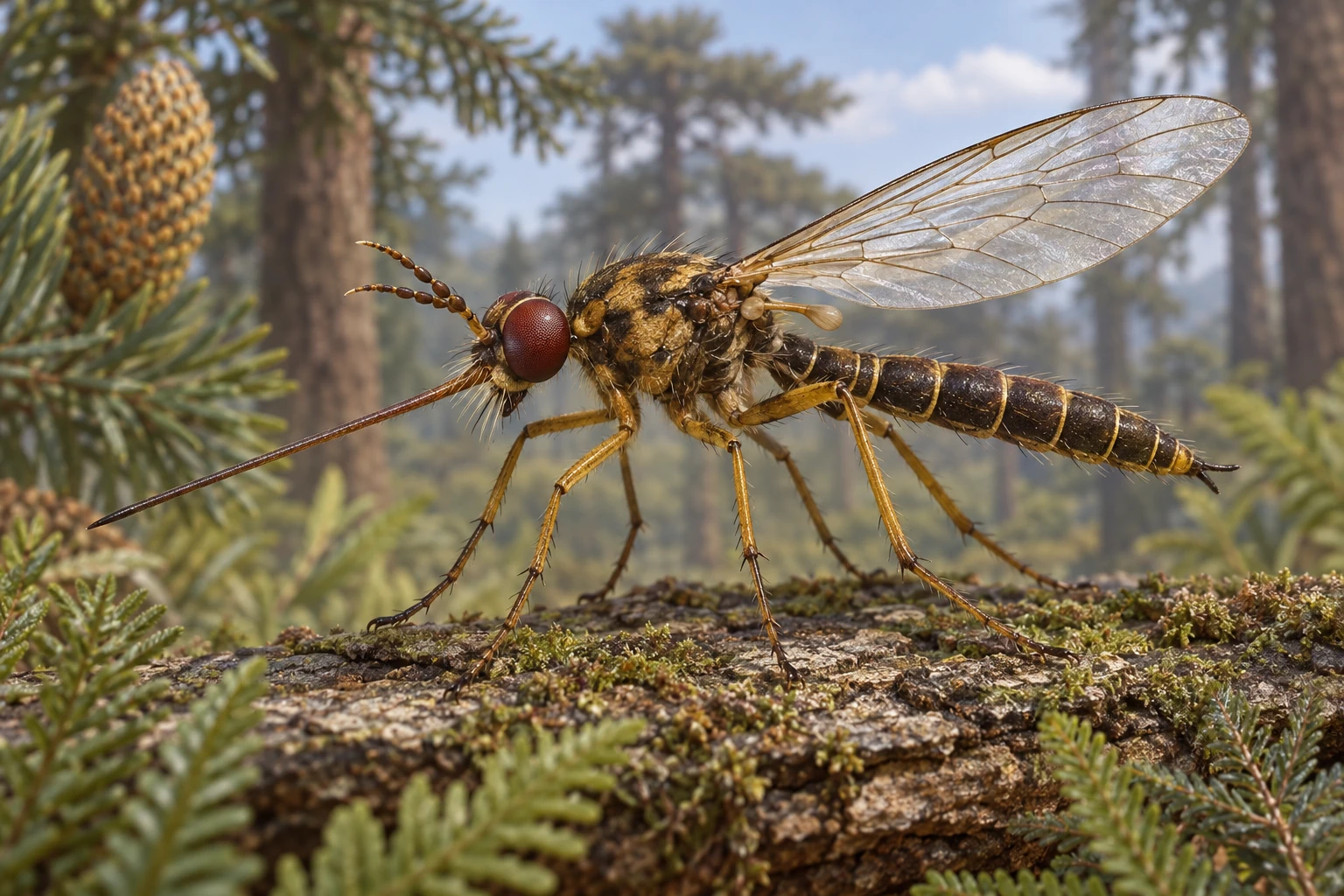
An illustrative reconstruction. Compare its anatomy with the evidence and limitations in the dossier. [1]
Source-informed reconstruction. Appearance evidence [1]. Original illustration; missing anatomy, coloration and scenery include interpretation.
Fossils constrain this life reconstruction. Missing anatomy, coloration and the environmental scene include interpretation; the dossier explains the evidence limits.
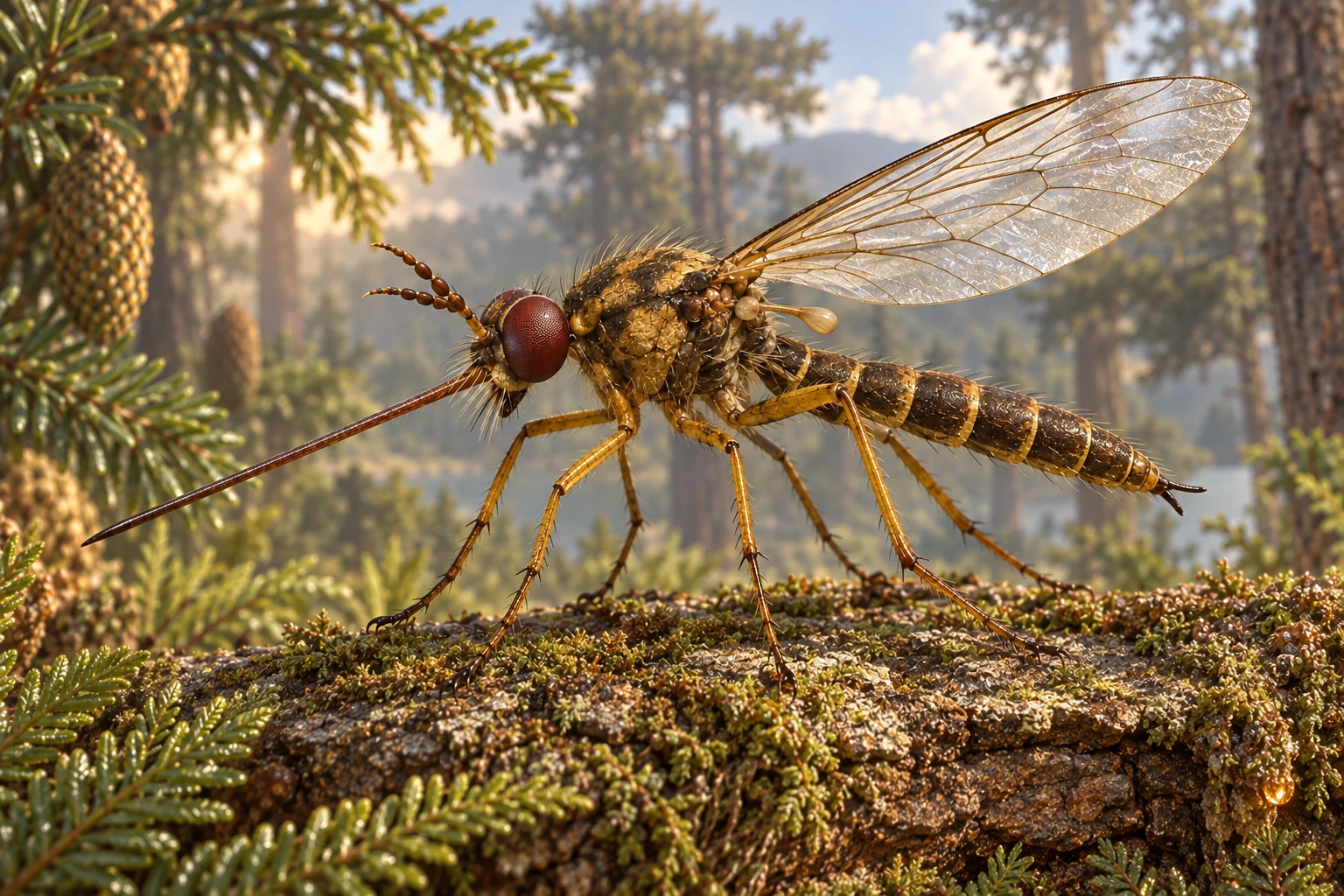
An illustrative reconstruction. Compare its anatomy with the evidence and limitations in the dossier. Lighting, coloration and scenery are artistic choices. This image does not document a fossil locality or behavior.
Original artwork · artistic interpretation.
Scientific view: source-informed reconstruction, credited paleoart or specimen-based imagery. Movie-style view: Original artistic interpretation. Reconstructions involve uncertainty.
MEET THE ANIMAL
Buccinatormyia was a true fly with a remarkably long, rigid proboscis. The description of the Spanish species B. magnifica estimated a female body length of 9.20 millimeters from a reconstruction. Its proboscis alone measured 3.85 millimeters. The body estimate and mouthpart measurement answer different questions. Large eyes, short antennae, six legs and one pair of wings help distinguish its shape from a butterfly. [D1]
A Barcelona research report describes hundreds of pollen grains associated with a Spanish amber specimen. The pollen came from gymnosperms, the seed-plant group that includes conifers and the extinct bennettitaleans. Together with the drinking mouthpart, this supports a connection between the fly and plant fluids. Carrying pollen suggests a role in pollination, although amber does not preserve the whole journey from one reproductive structure to another. [D2]
The genus also includes B. gangnami, described from South Korean rock fossils. An institutional report discusses pale spots on that species’ dark abdomen and suggests that it may have resembled stinging insects. The original light pattern is different from knowing its precise living colors. Those Korean details should not silently become traits of the Spanish species shown here. Several named species can belong to one genus without requiring overlapping exhibits. [D3]
PREHISTORIC ANIMAL DOSSIER
The animal, the evidence, and the questions still open.
Preserved mouthparts and attached pollen support plant feeding and a pollination interpretation; exact living colors remain conjectural. [D2]
Profile scope: Genus — Buccinatormyia; artwork anchored to B. magnifica from El Soplao amber, especially female holotype CES349.1. Other species remain within this exhibit. [D1]
Source supported identifies a description documented by the cited source. Inferred marks a reconstruction or functional estimate. Debated marks competing interpretations. Not established means the sources reviewed for this dossier do not support a firm conclusion; it does not mean a behavior never occurred.
A size reference is an estimate, not a population range. Nesting evidence does not by itself establish courtship, mate choice, or lifelong pairing.
9.20 mm reconstructed body estimate
Female B. magnifica reference, estimated from reconstruction; its 3.85 mm proboscis is a separate measurement. [D1]
Not established here
The reviewed type description supplies no body-mass estimate. [D1]
Plant-fluid feeding inferred
The long proboscis and associated gymnosperm pollen support feeding and possible pollen transfer. [D2]
Cretaceous terrestrial vegetation inferred
Spanish amber and gymnosperm pollen support a woodland association; the exact visited plant remains uncertain. [D2]
Walking and flight inferred
Six legs, one wing pair and a preserved paratype halter support these capabilities; speeds are unknown. [D1]
Long rigid proboscis; short antennae
B. magnifica has large eyes and a forward-directed 3.85 mm mouthpart, not a coiled butterfly tongue. [D1]
Female adults documented
The type description identifies female material; attributed eggs, larvae and nesting remain unestablished here. [D1]
Not established here
The reviewed genus report does not preserve a mating sequence or sex-specific display. [D3]
Not established here
Multiple Korean fossils do not demonstrate a swarm or cooperative society. [D3]
Sources and inspection notes for the claims in this profile.
THE STORY IN THE FOSSILS
The Korean report distinguishes preserved light abdominal spots from a suggested yellow or orange living color. Its proposed wasp mimicry is an interpretation, not observed predator behavior. [3]
The dossier identifies the scope of each reference estimate. A mount, an individual fossil and a species-wide adult range are different measurements. Comparison metrics remain unavailable where adult scope has not been established. Unknown does not mean zero.
Sources support the stated claims and scopes. Refer to the evidence notes for uncertainty.
KEEP EXPLORING
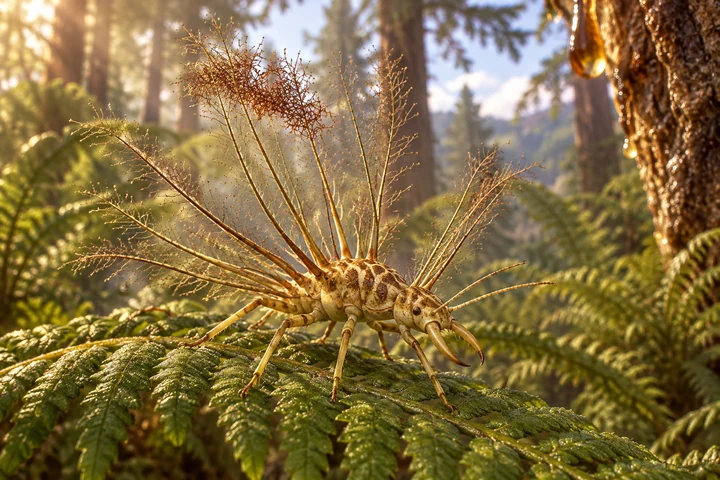
Hallucinochrysa
Prehistoric insect
Hallucinochrysa was a Cretaceous lacewing relative whose larva carried fern hairs on elaborate back projections.
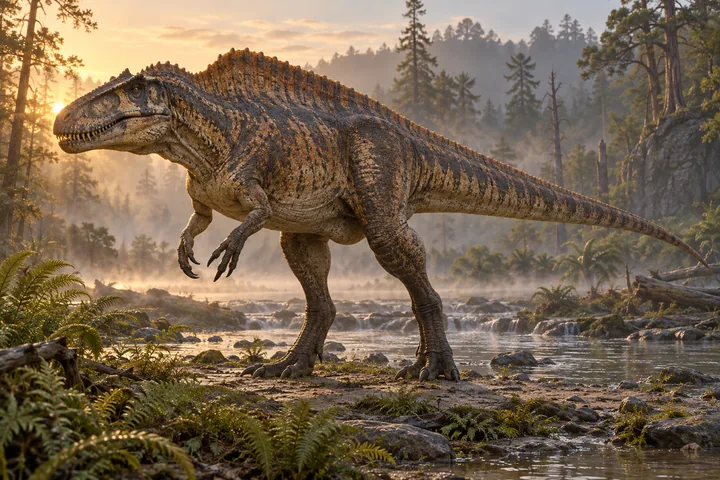
Acrocanthosaurus
This Early Cretaceous carnivore is known from North American fossils. Its high vertebral spines give it a distinctive raised back profile.
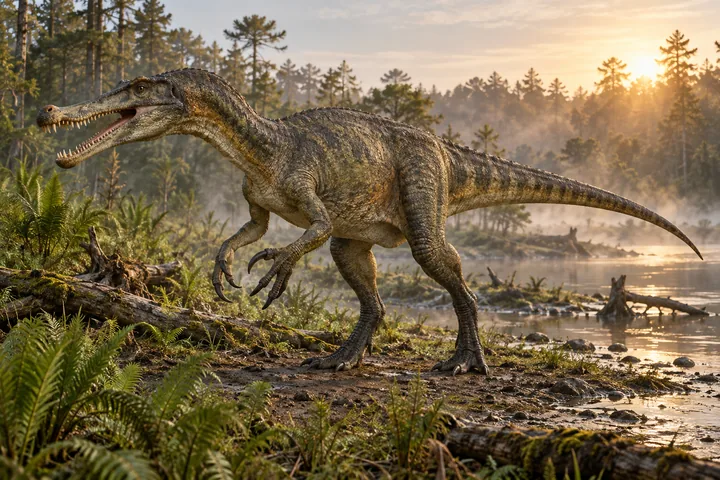
Baryonyx
Baryonyx had a crocodile-like snout and an enlarged hand claw. Its preserved last meal supports a carnivorous diet that included more than fish.