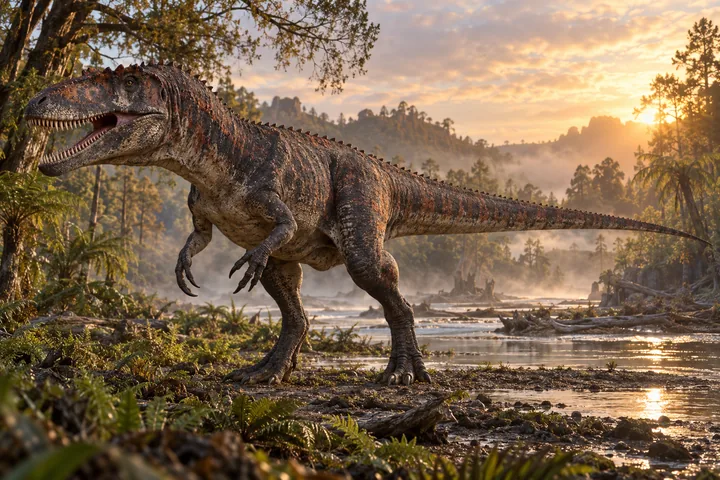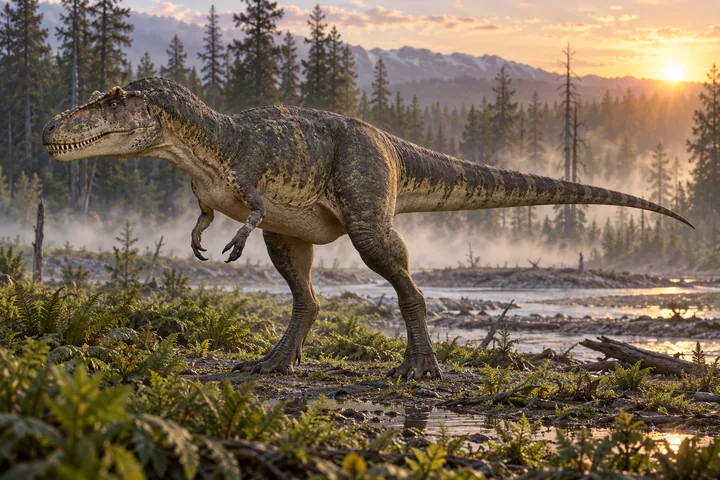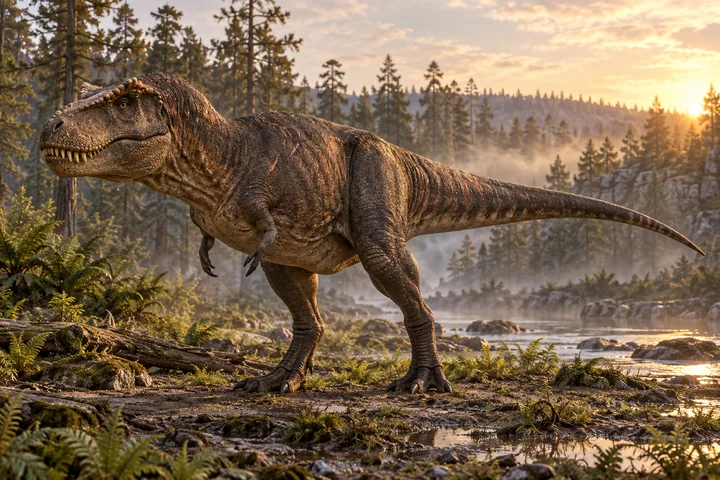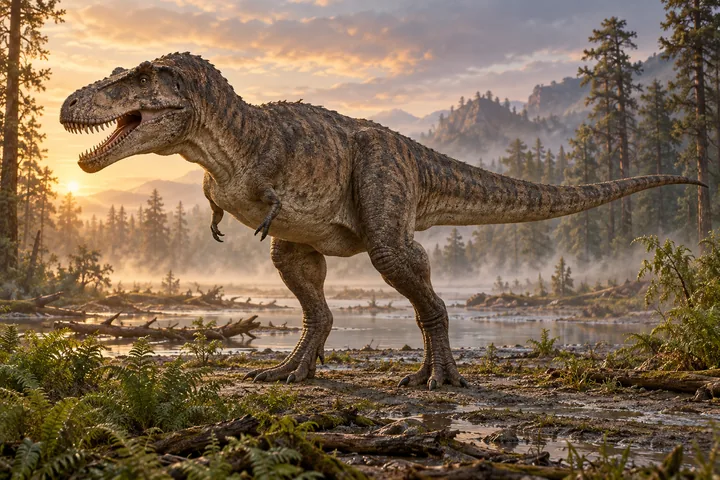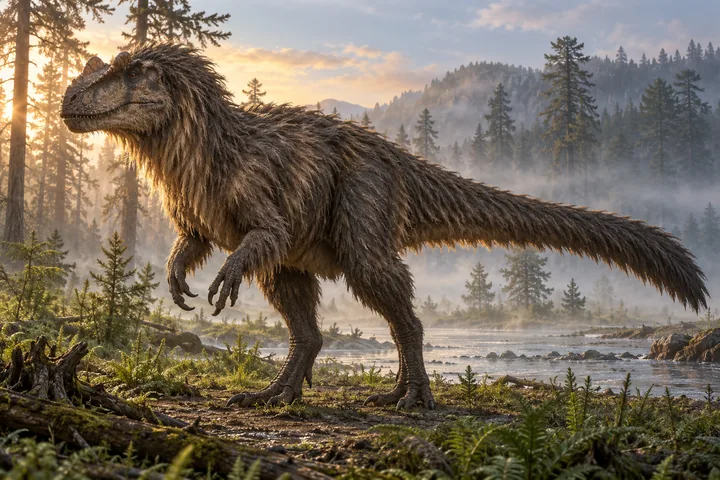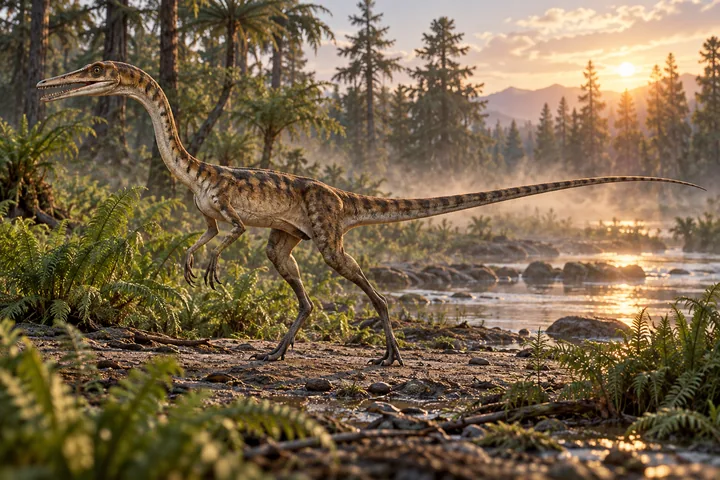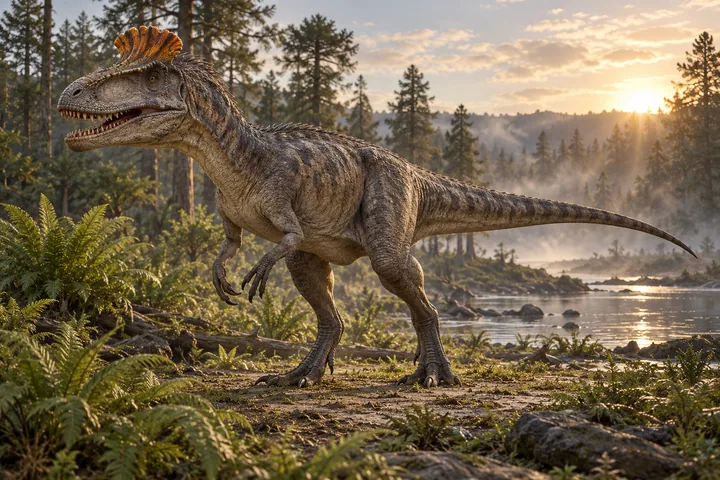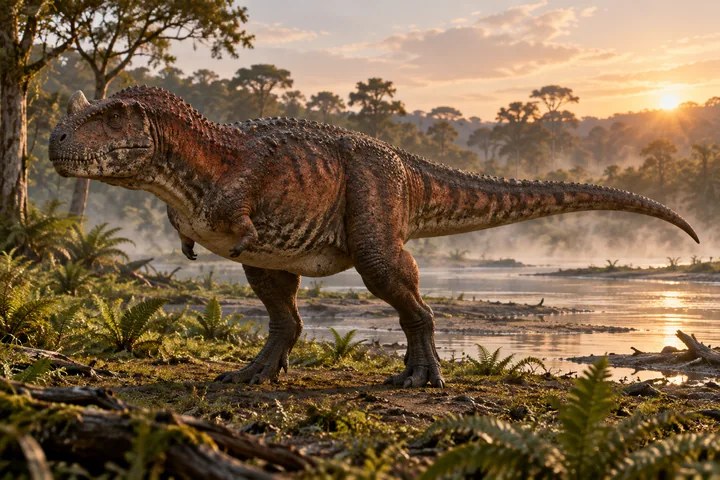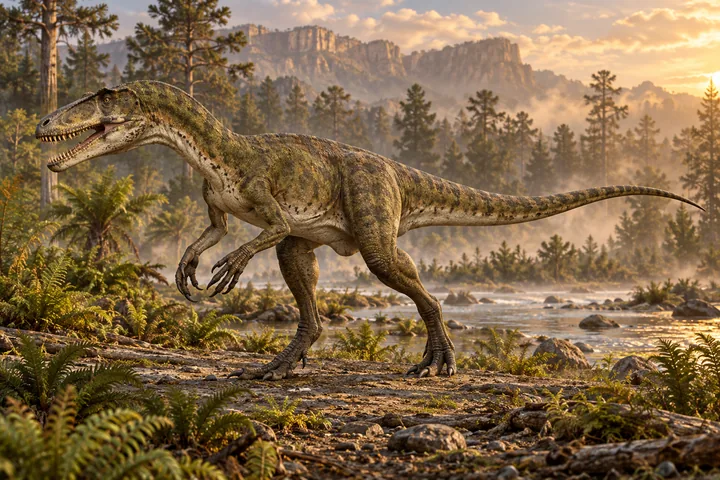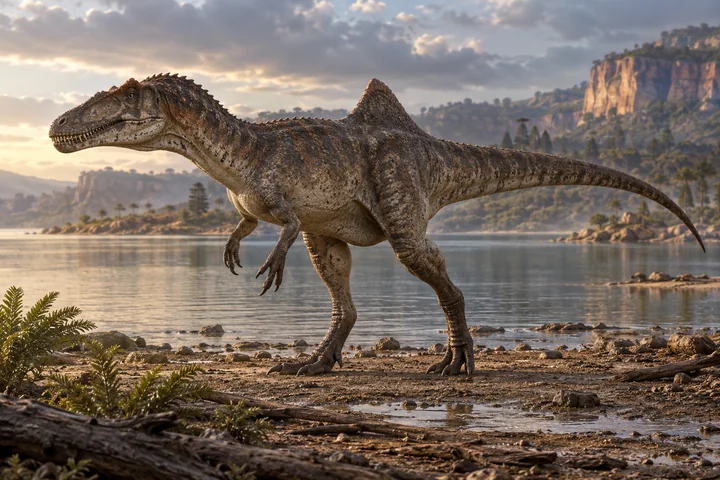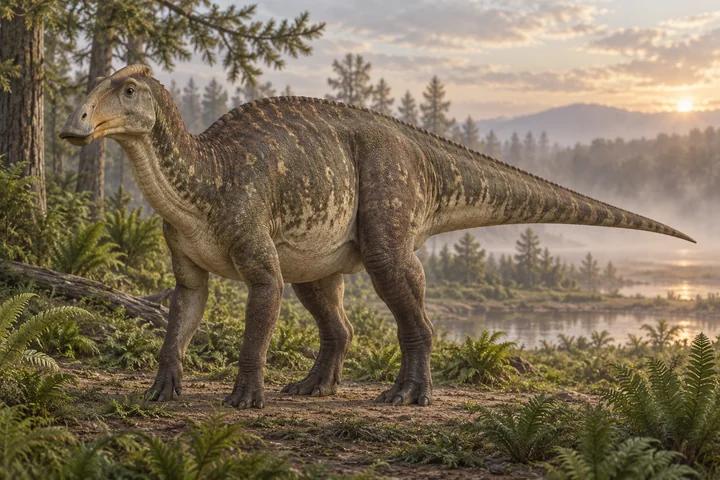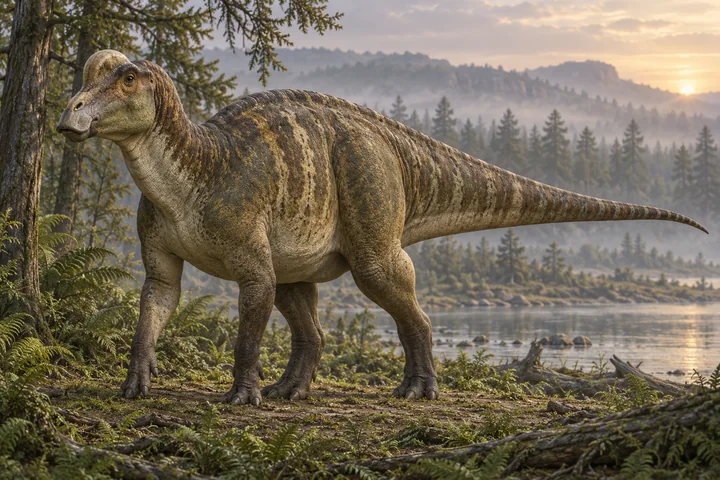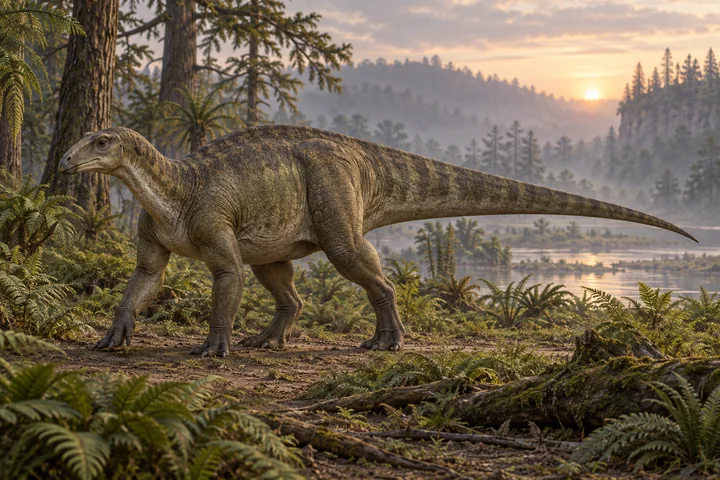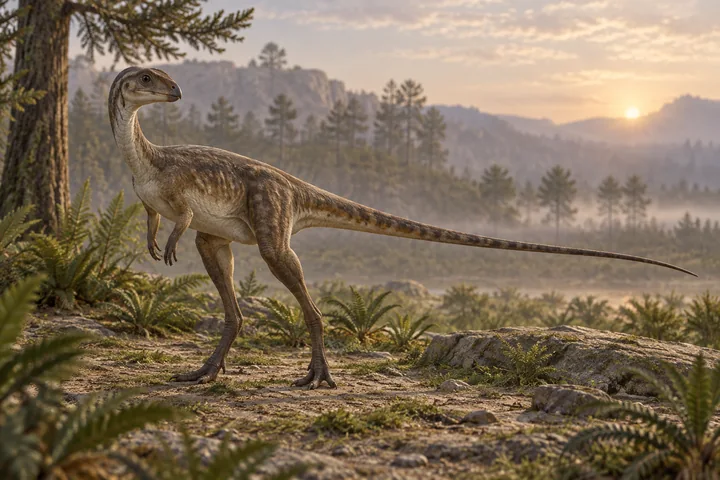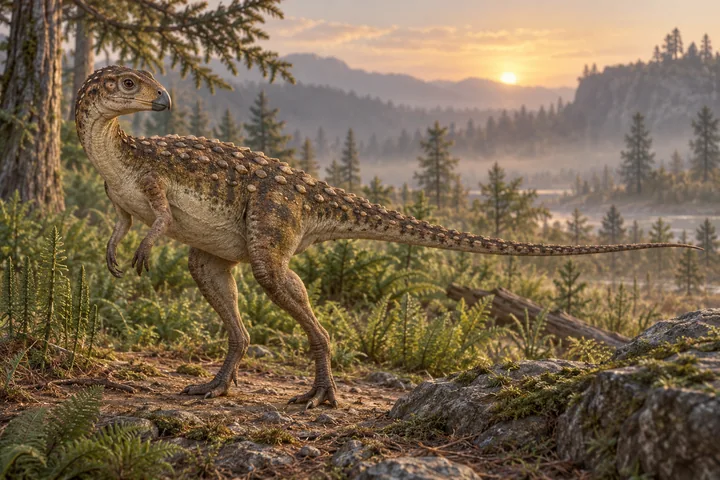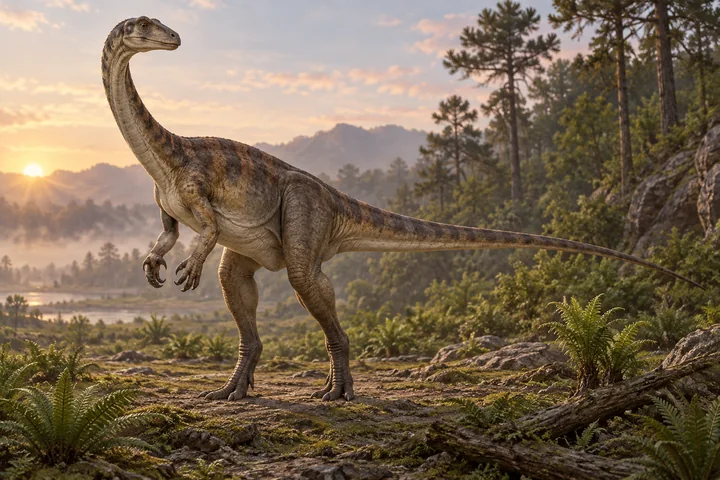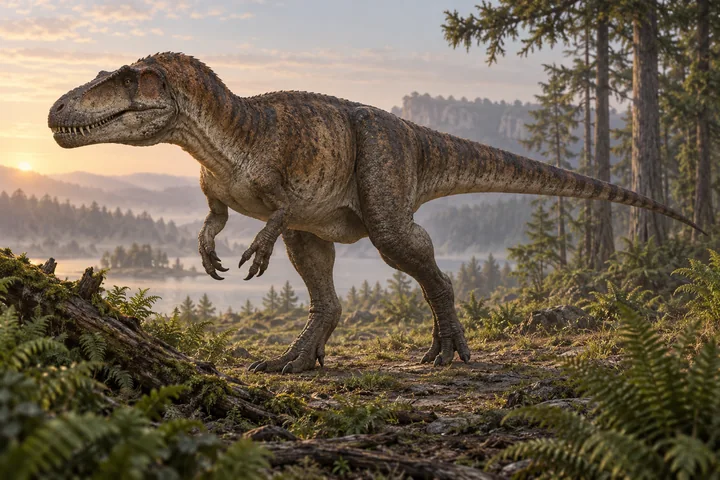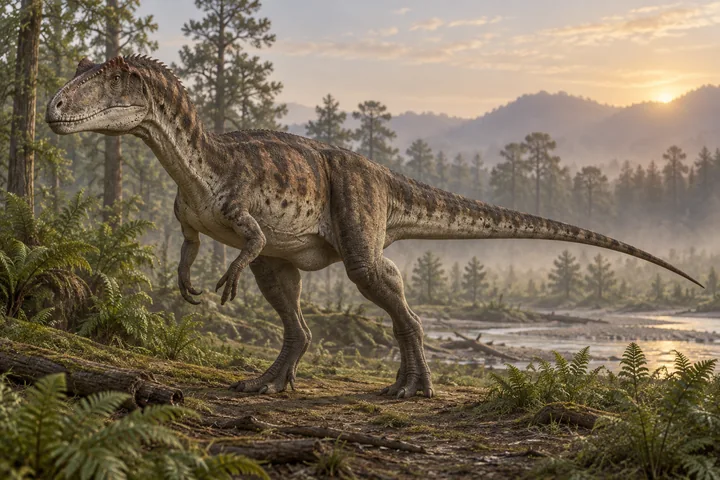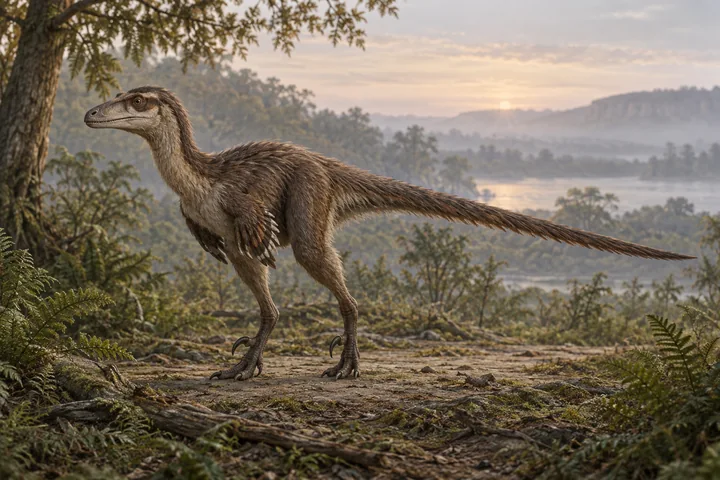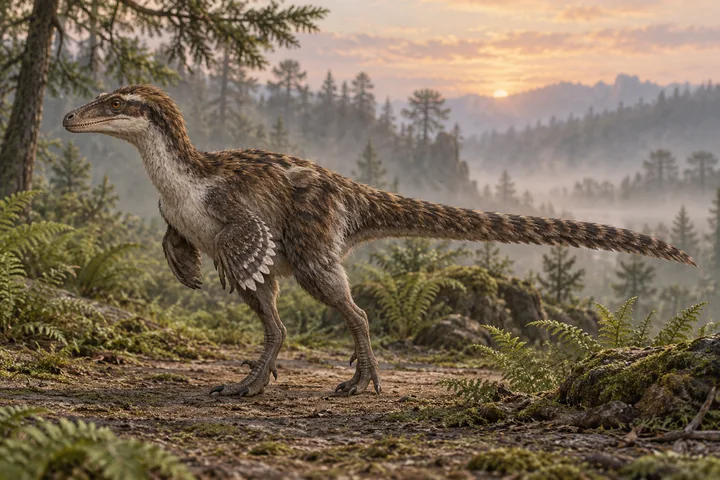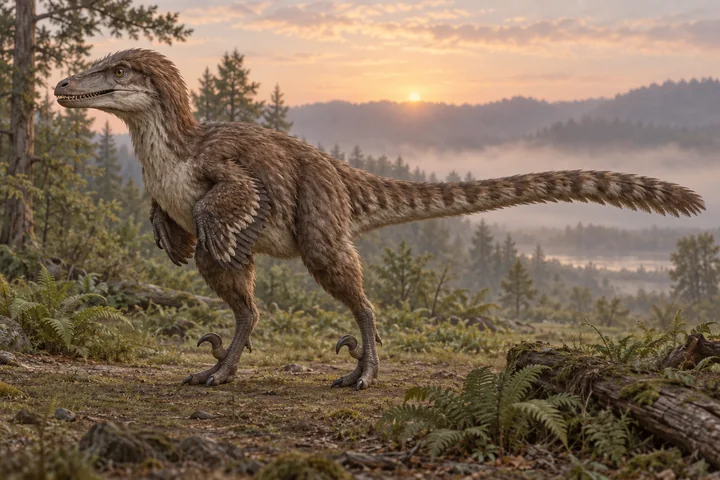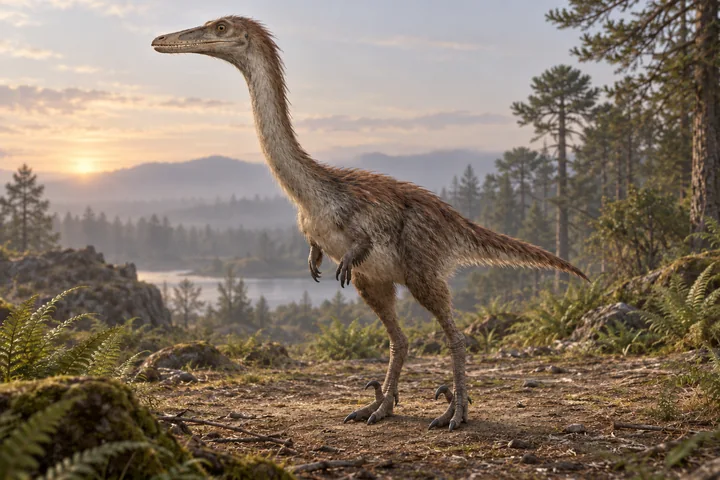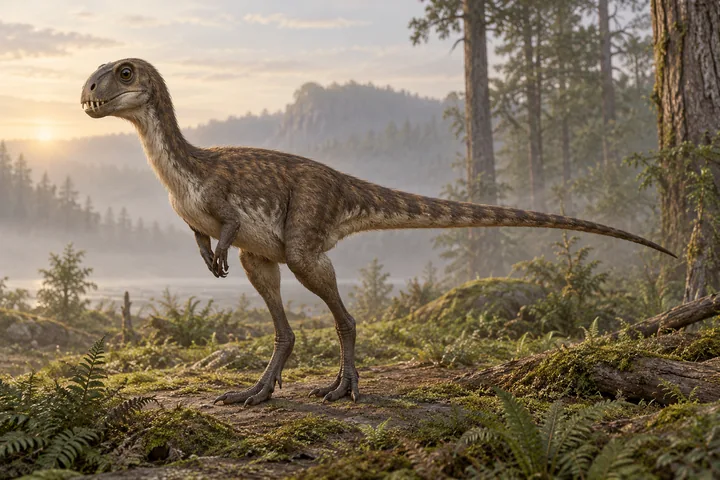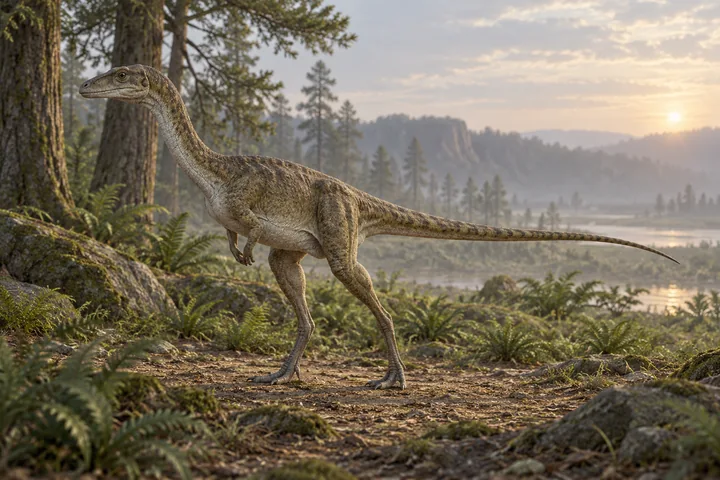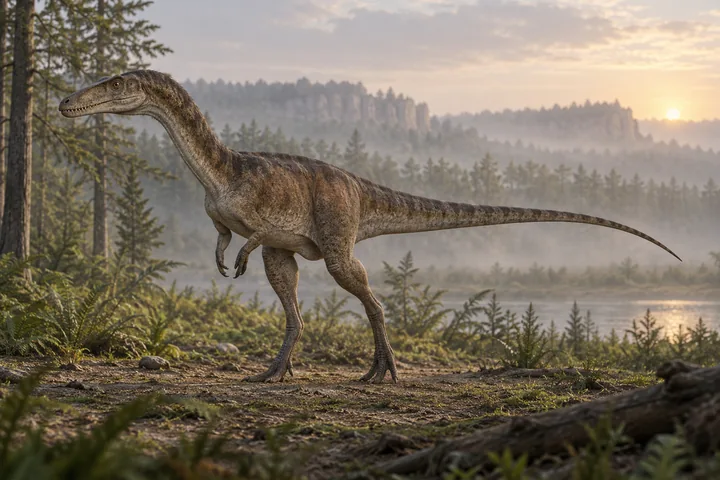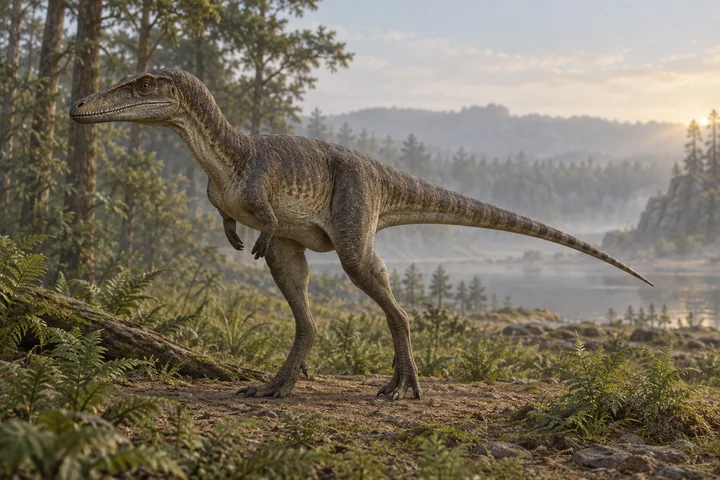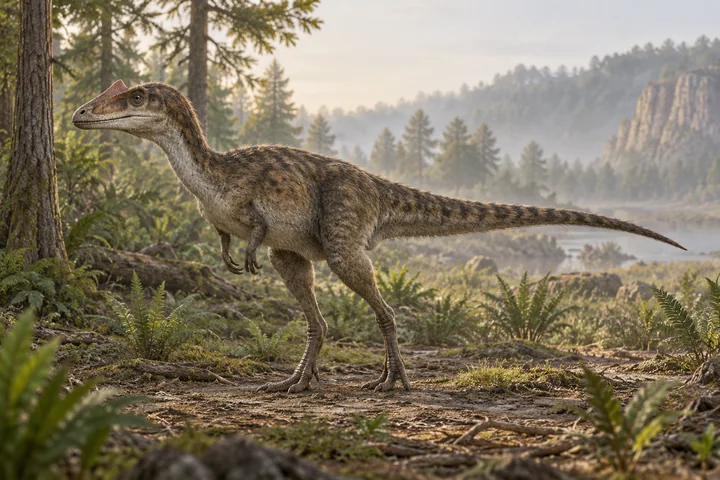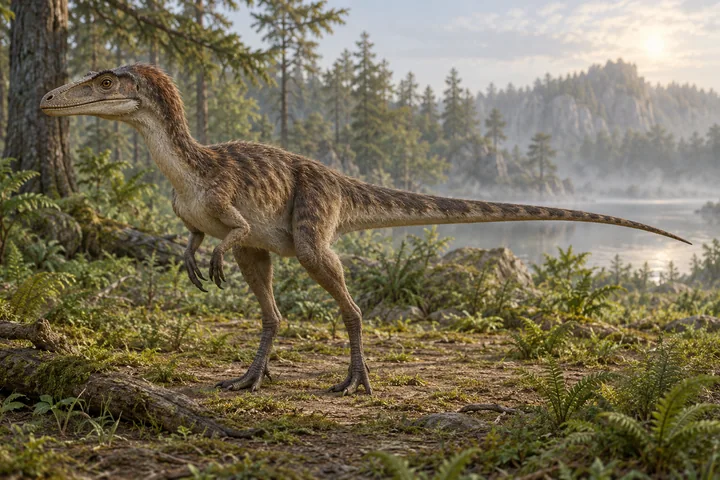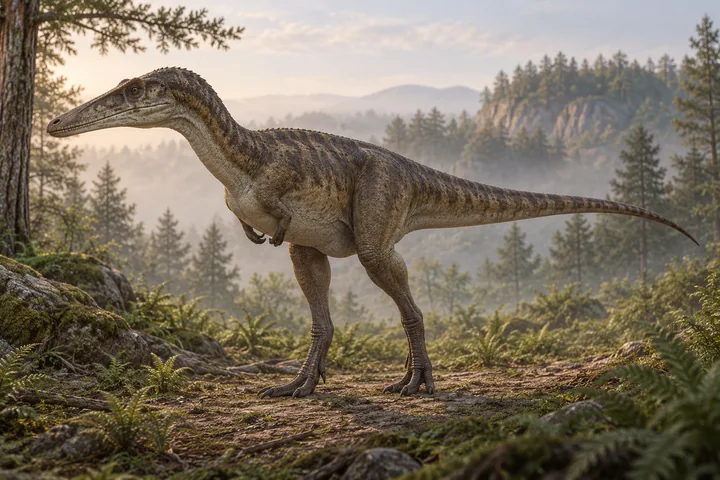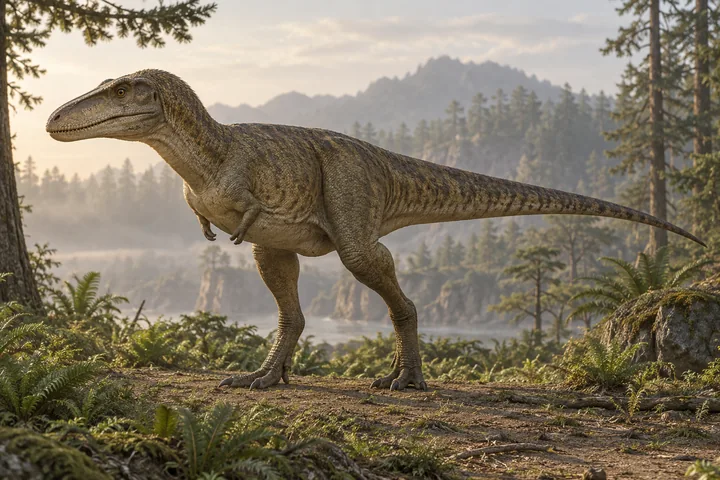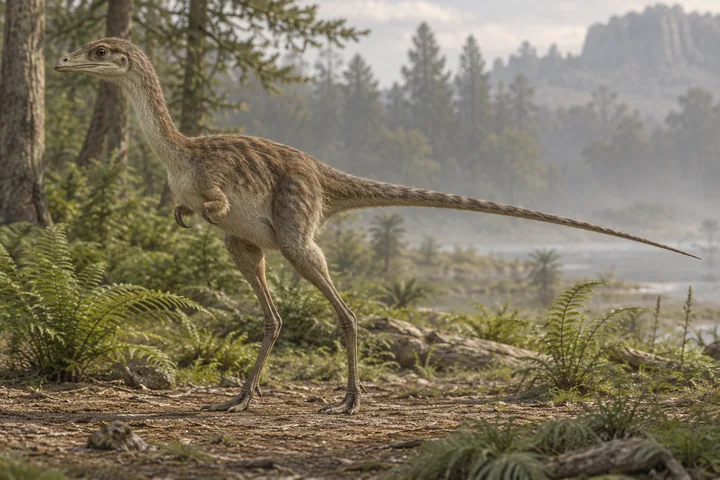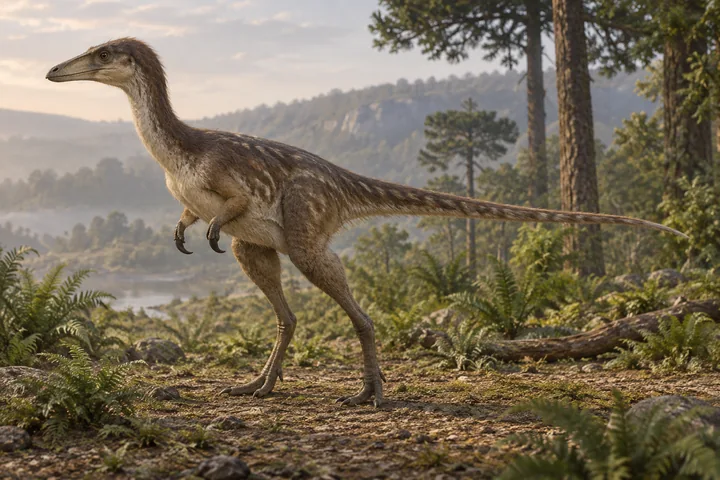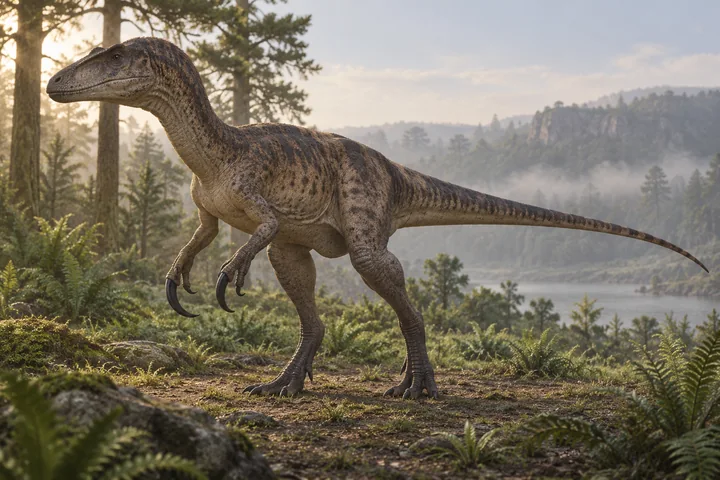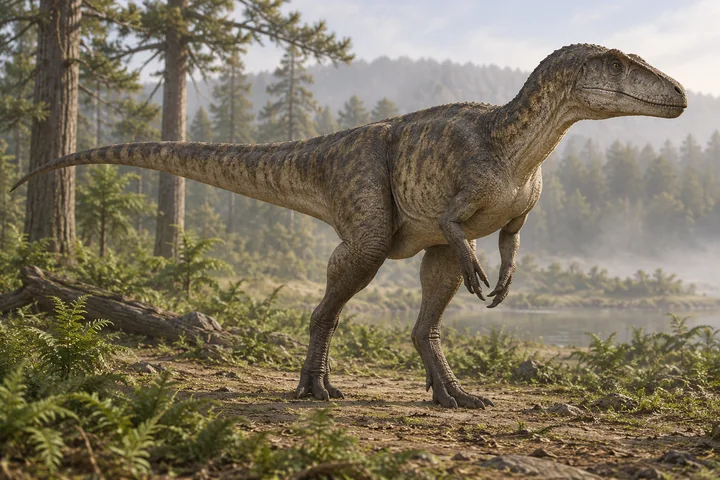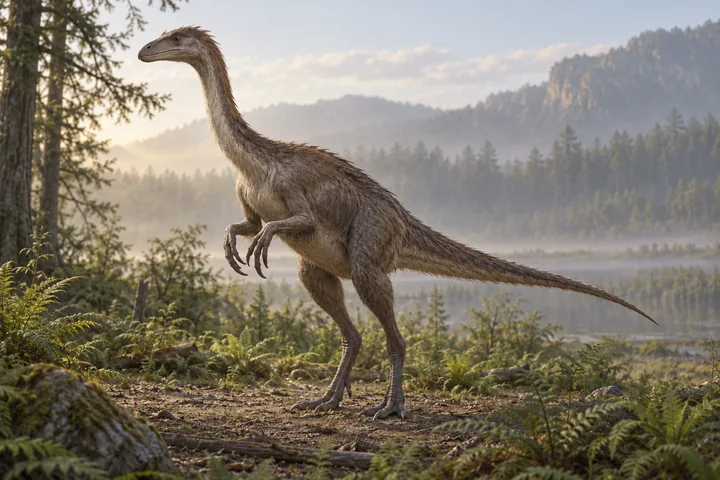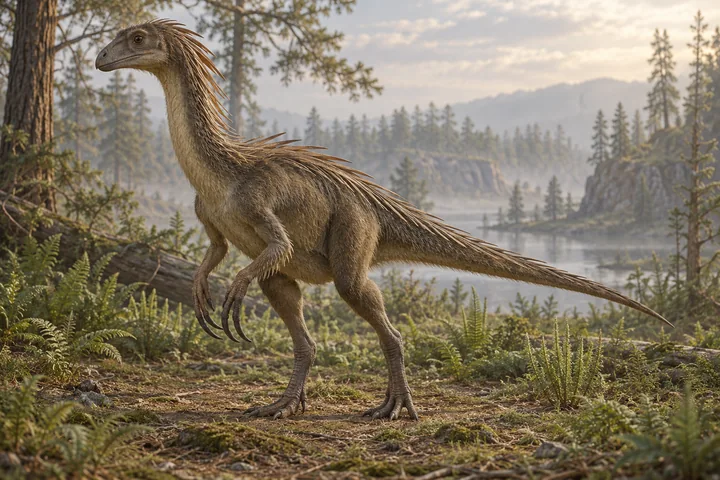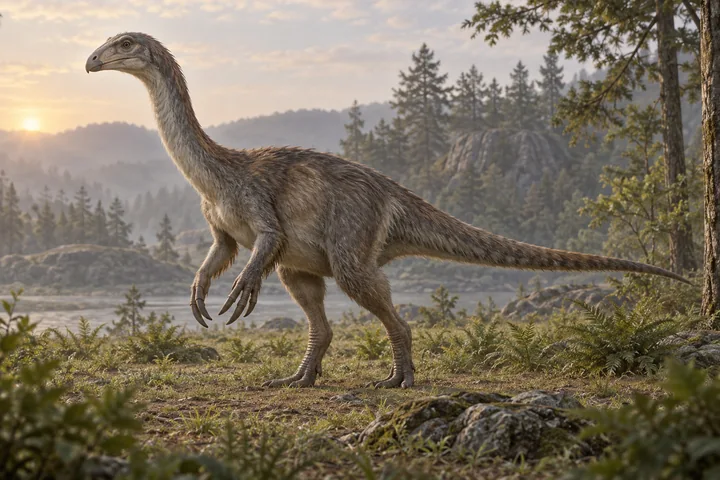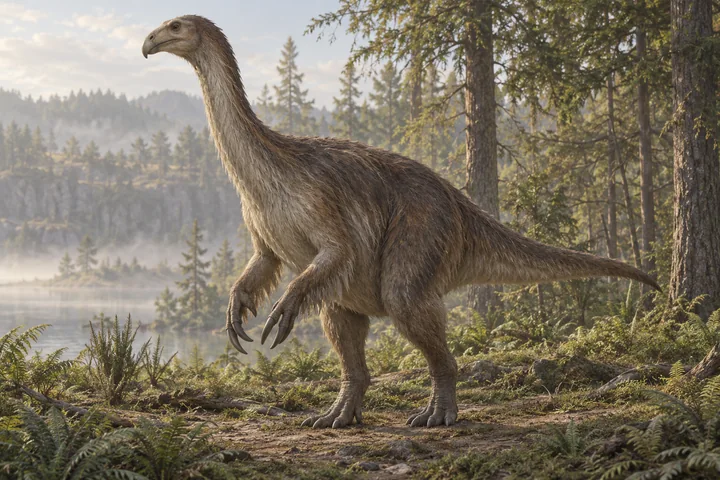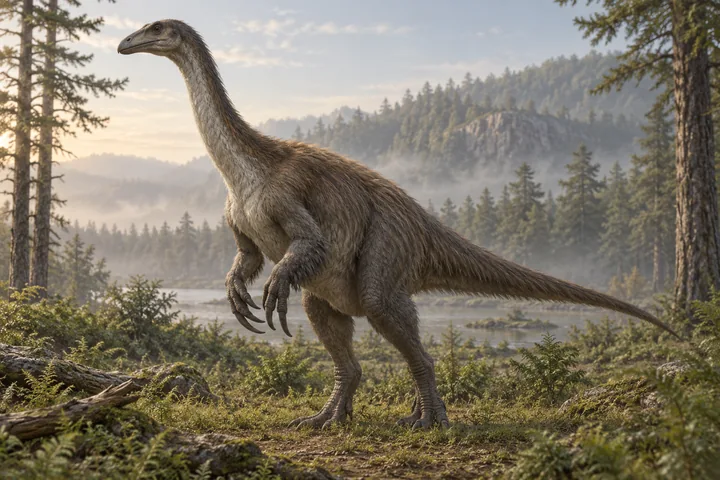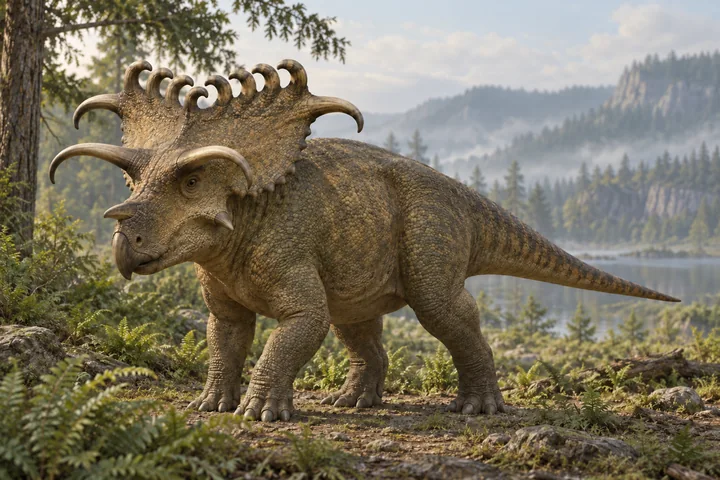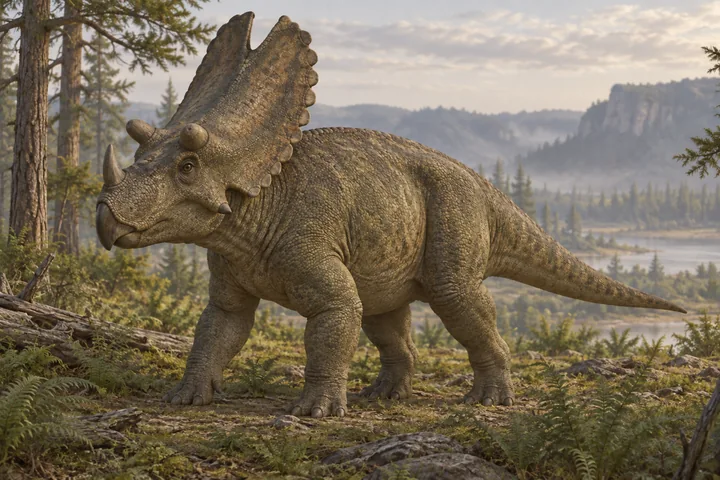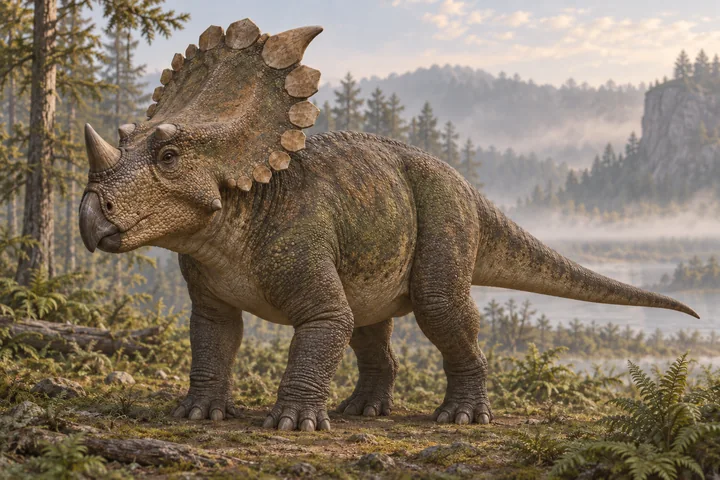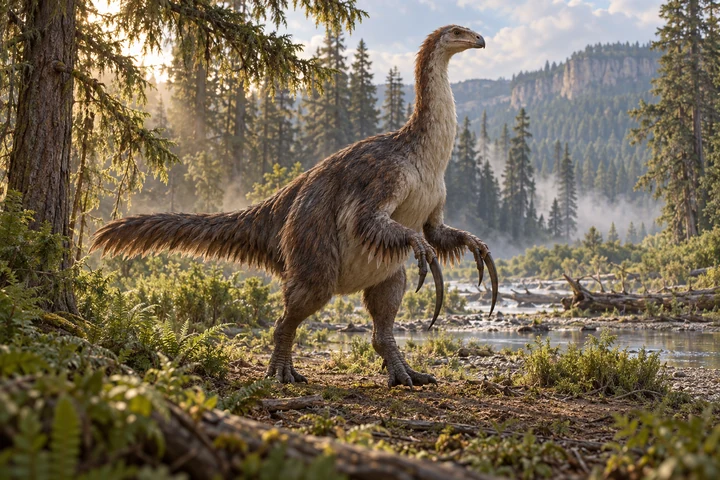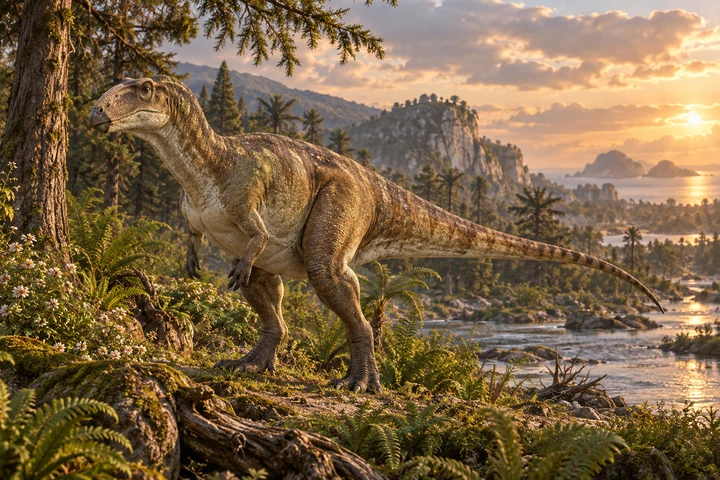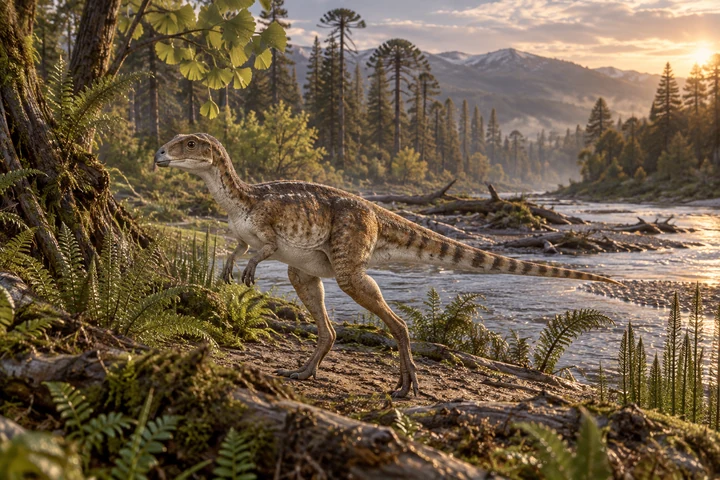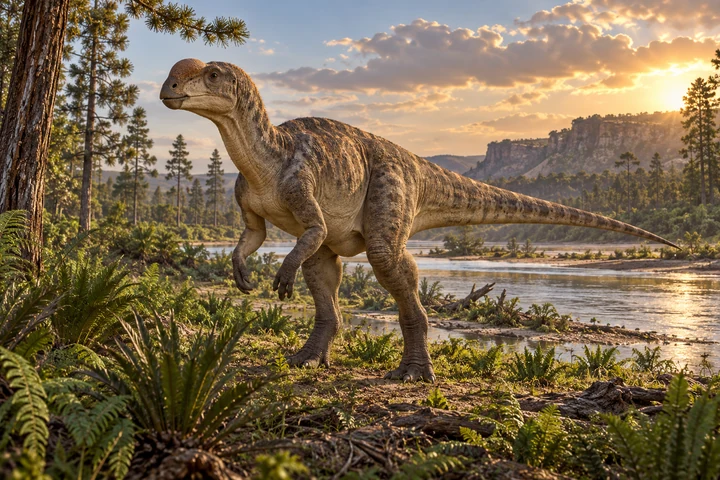
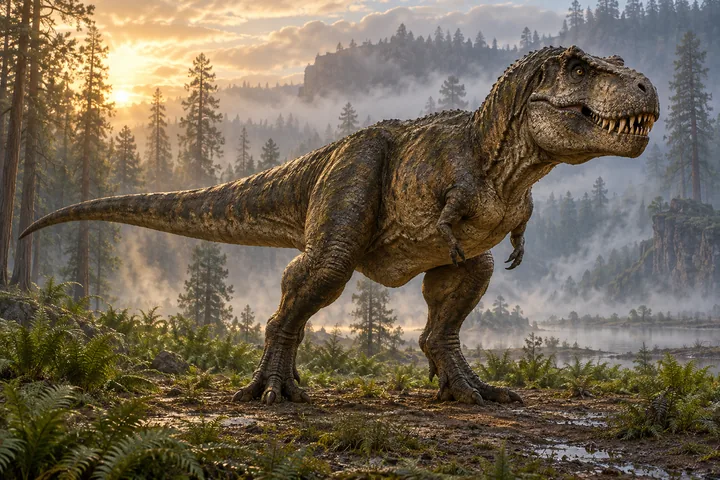
Tyrannosaurus
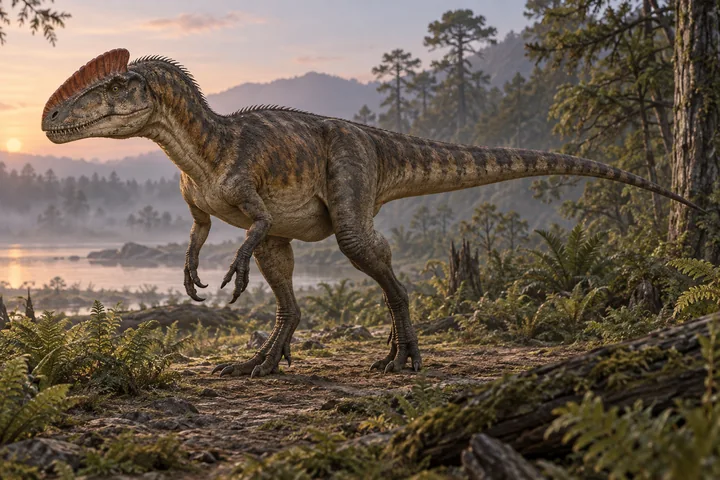
Tyrannosaurus rex
Bone-crushing jaws left traces of meals in the fossil record.
YOUR NEXT DISCOVERY
Start with a familiar face, or find a dinosaur you’ve never met. Each exhibit follows the clues back to the fossils.
Search and filters need JavaScript. You can still explore every exhibit below.

Tyrannosaurus rex
Bone-crushing jaws left traces of meals in the fossil record.

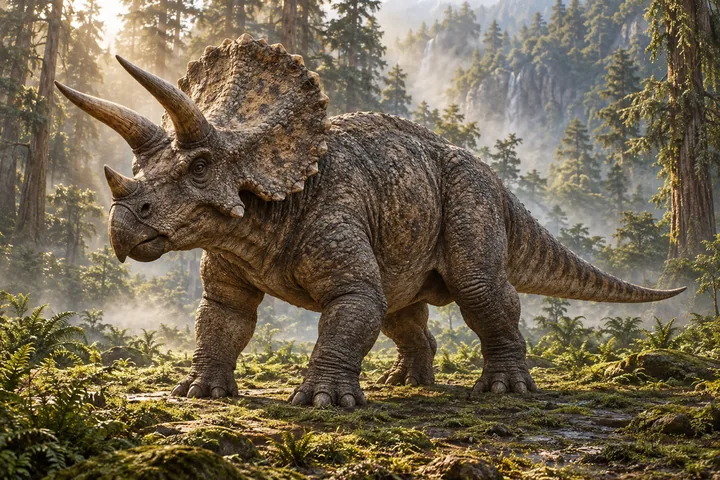
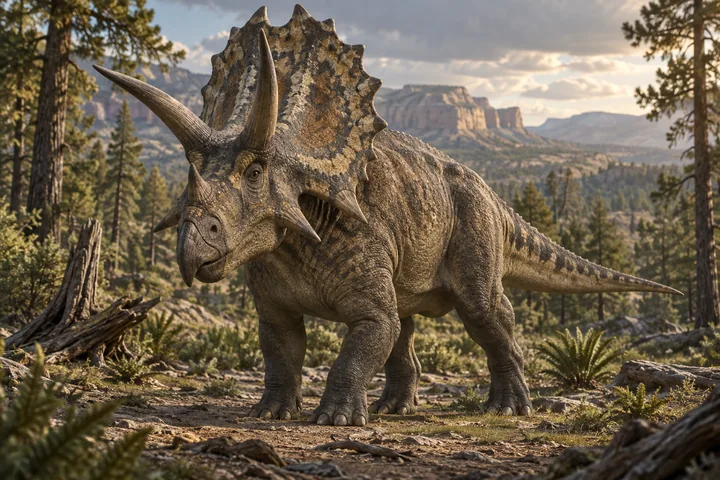
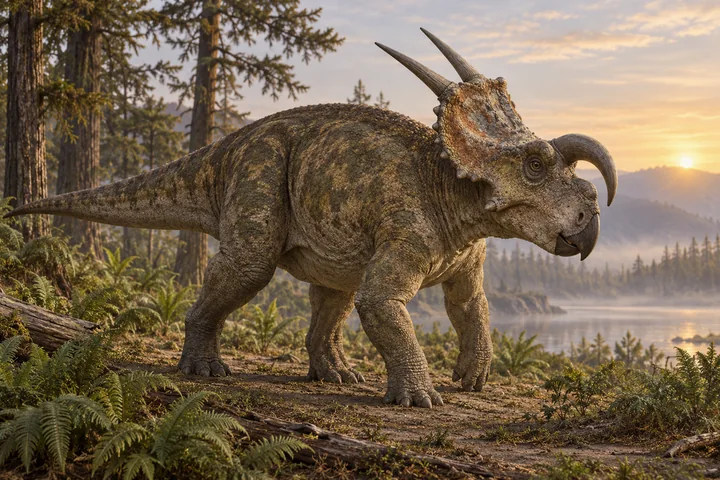
Triceratops horridus
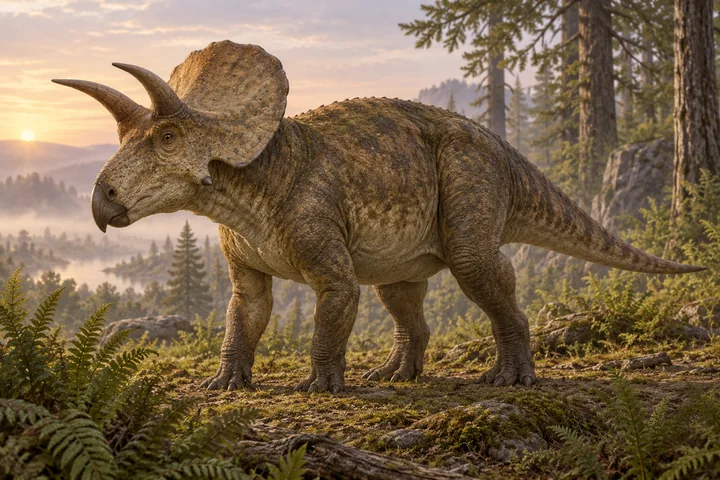
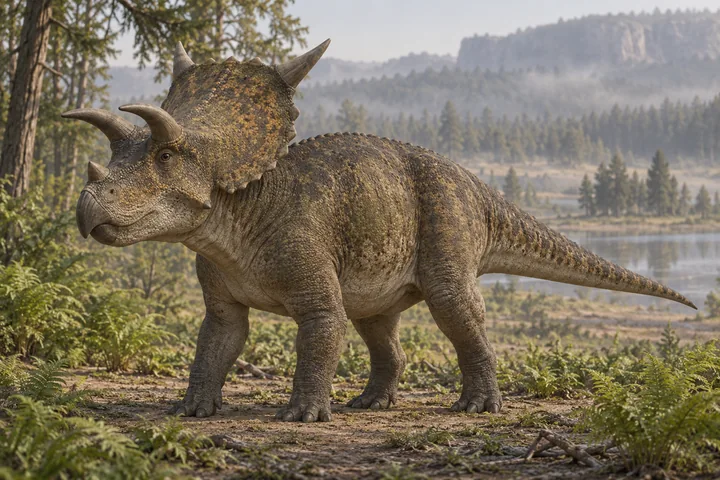
Three horns, a broad frill, and a plant-eater beneath the formidable silhouette.

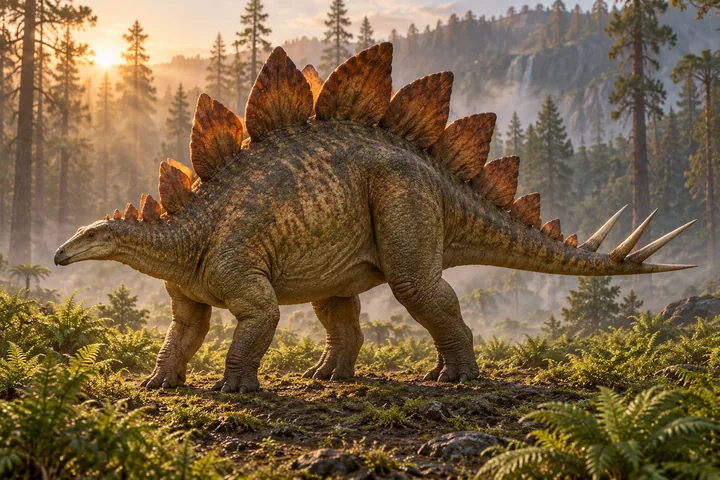
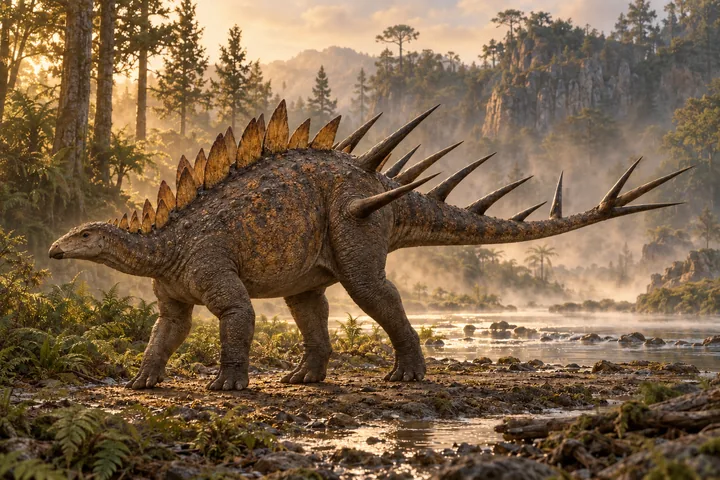
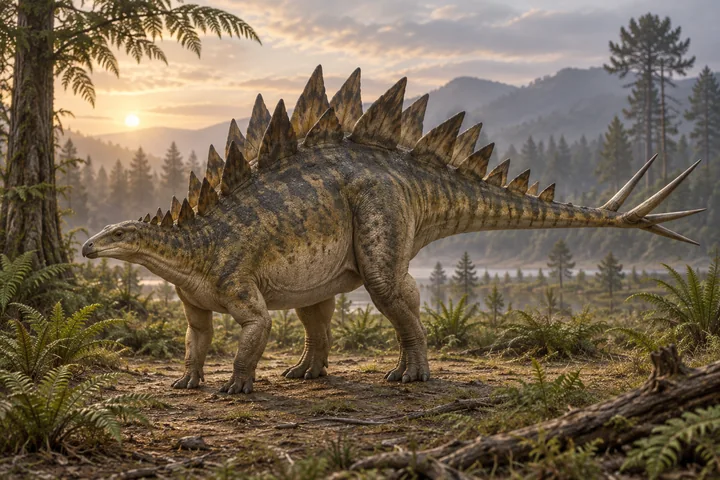
Stegosaurus stenops
A small head, a skyline of plates, and four spikes at the tail.

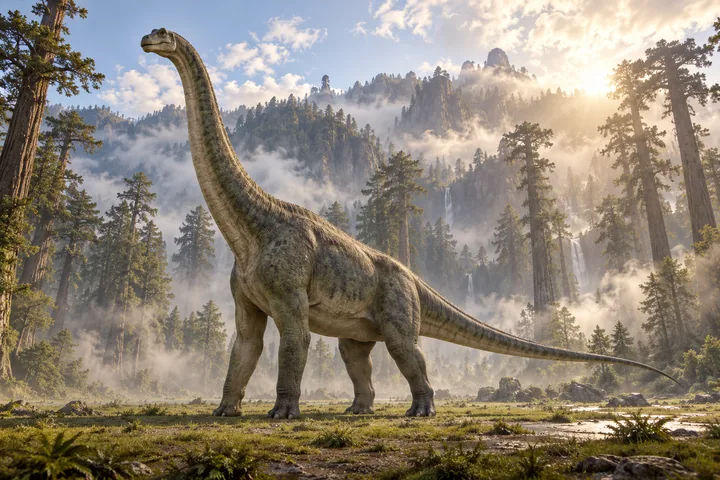
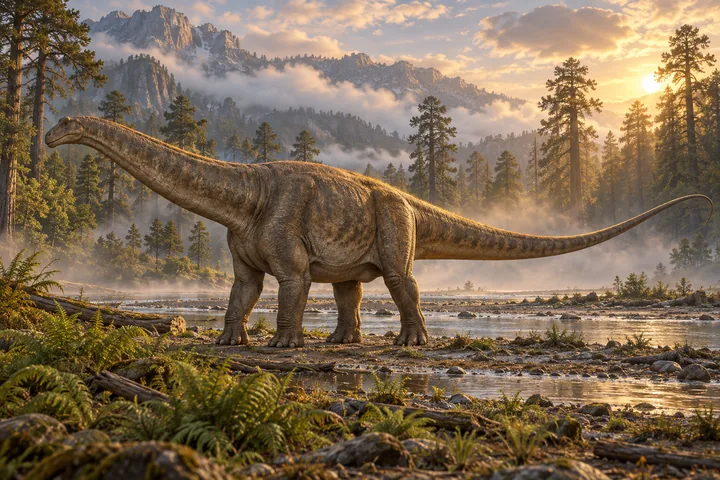
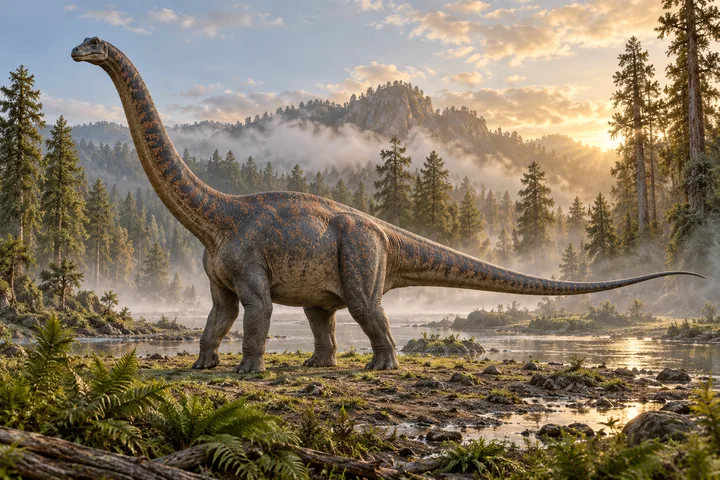
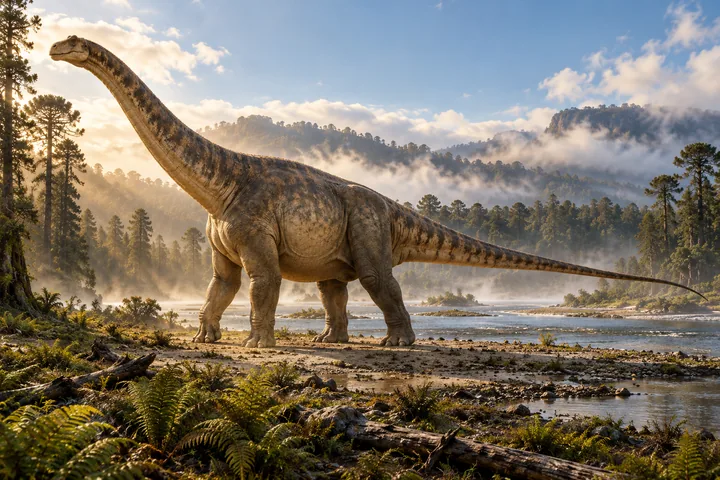
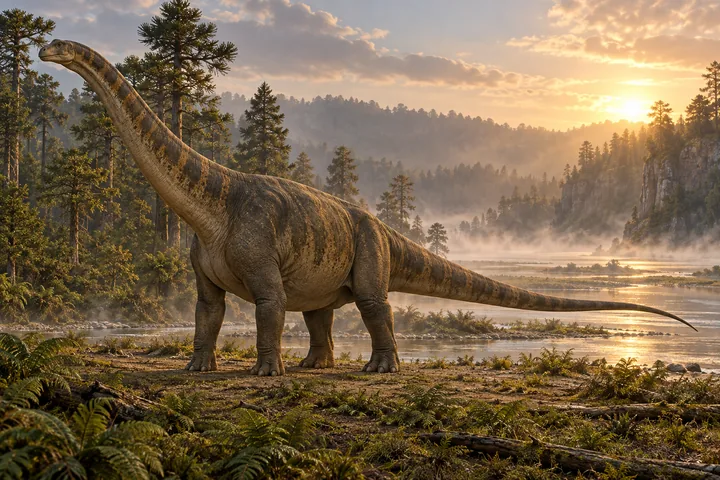
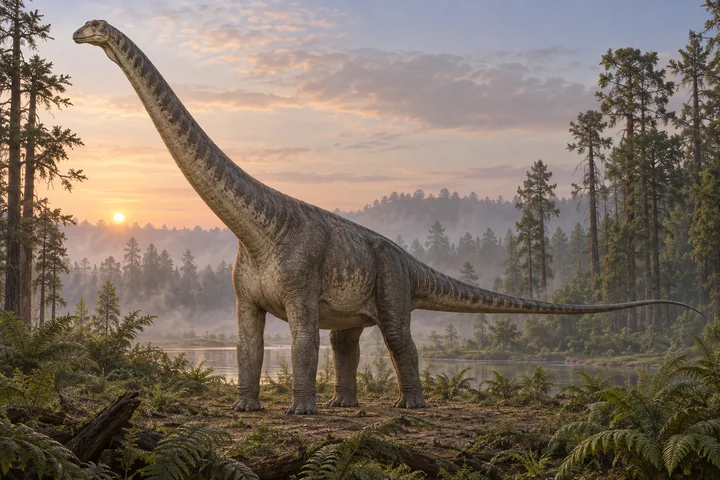
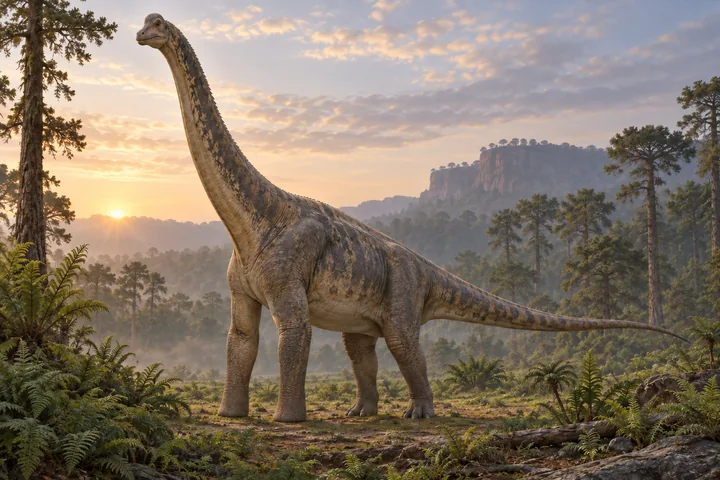
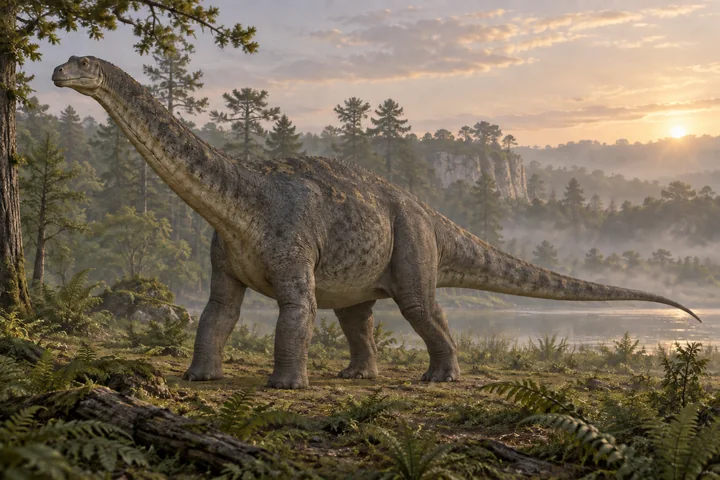
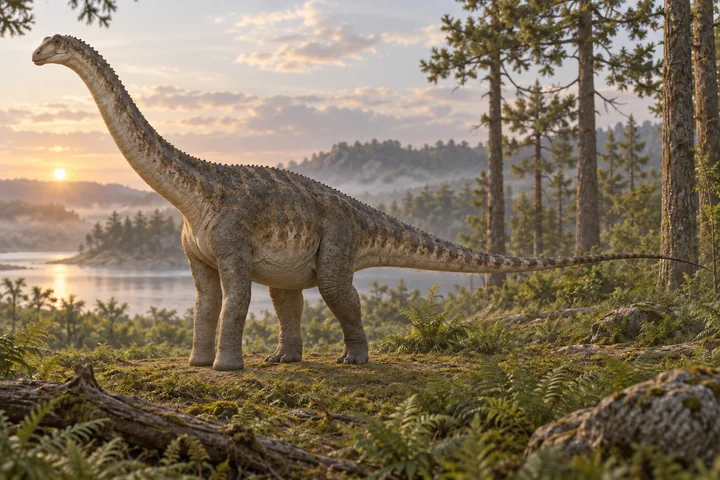
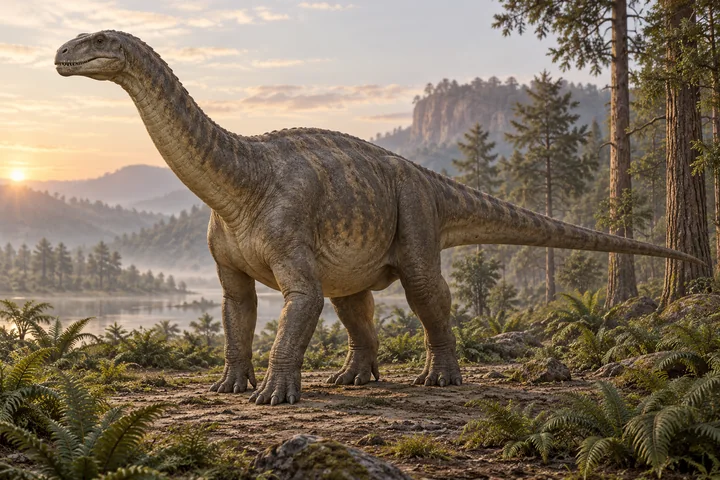
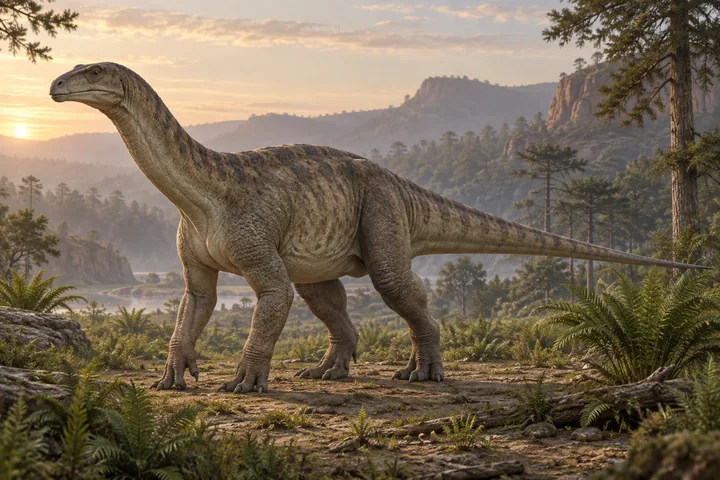
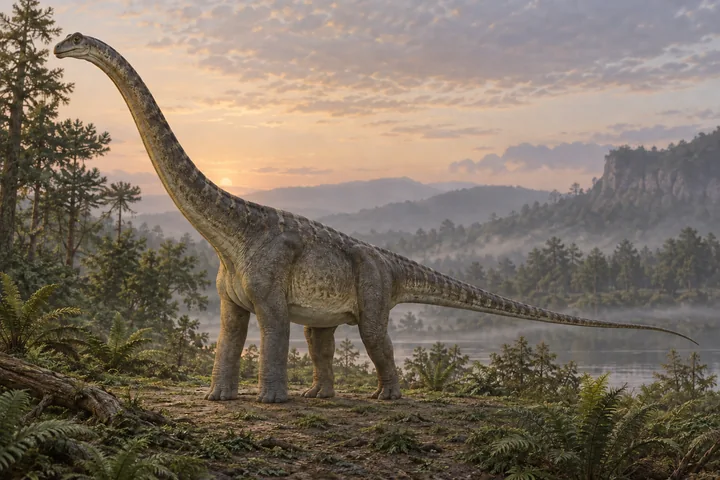
Brachiosaurus altithorax
Air-filled ribs, towering shoulders, and a fossil record with big gaps.

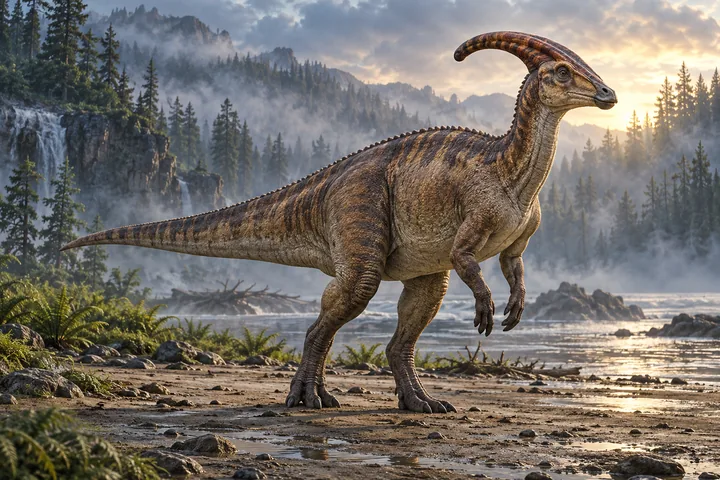
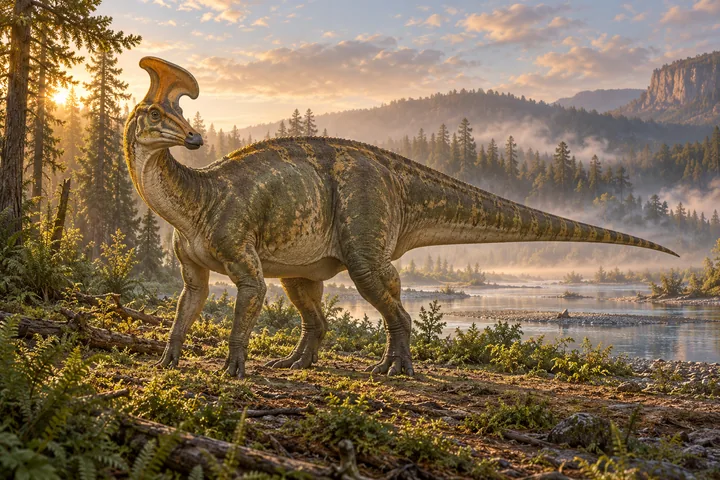
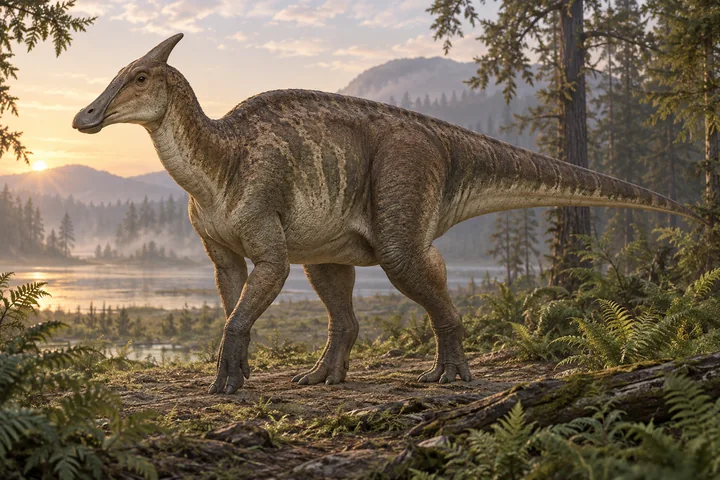
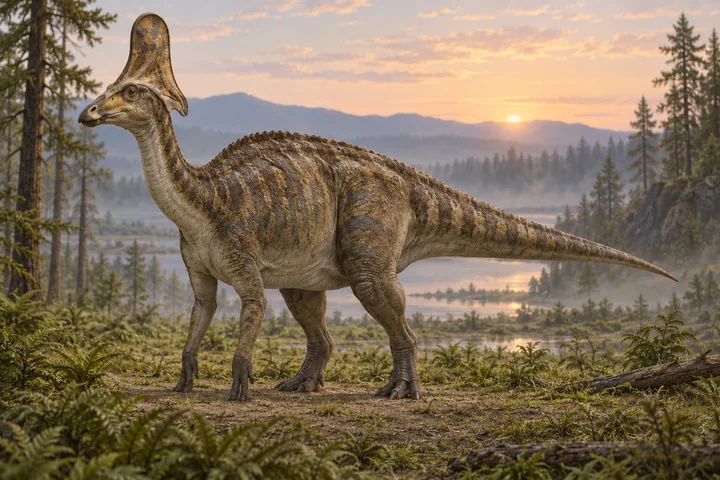
Parasaurolophus walkeri
A hollow crest and a skeleton that records an injured animal's life.

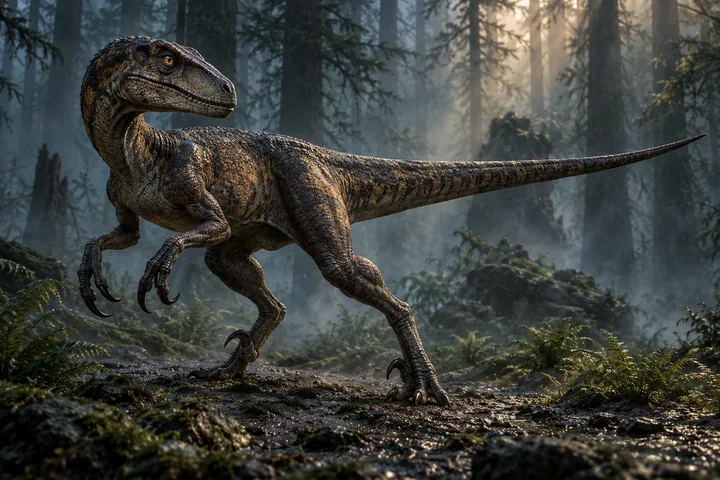
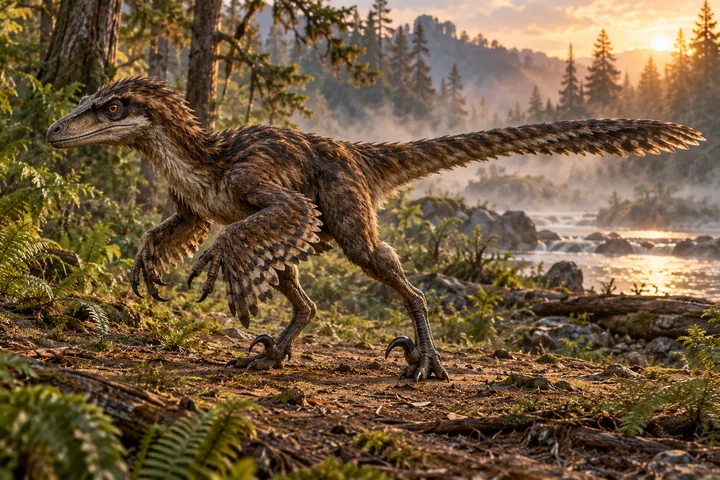
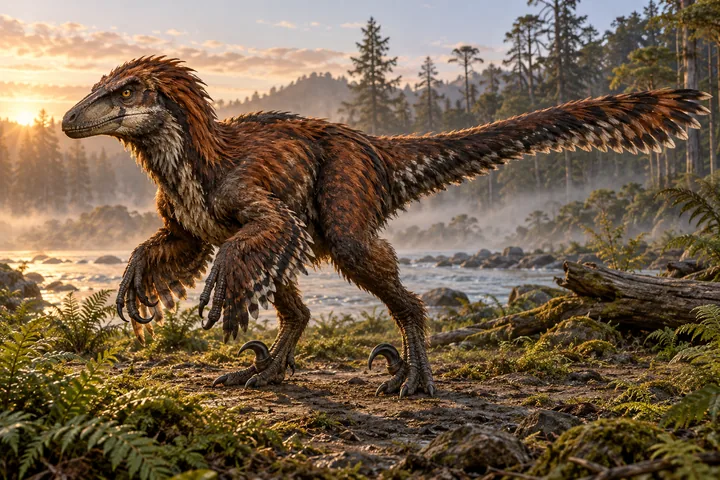
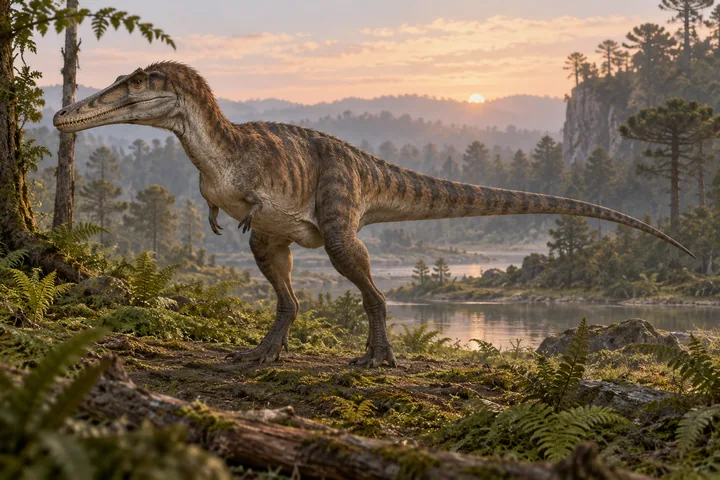
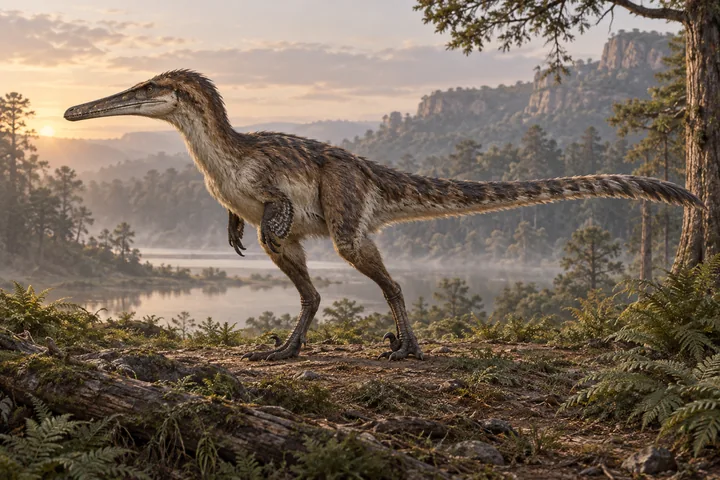
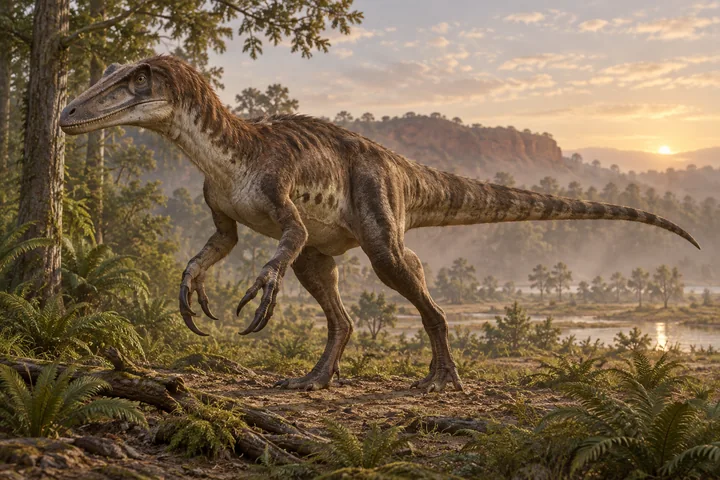
Velociraptor mongoliensis
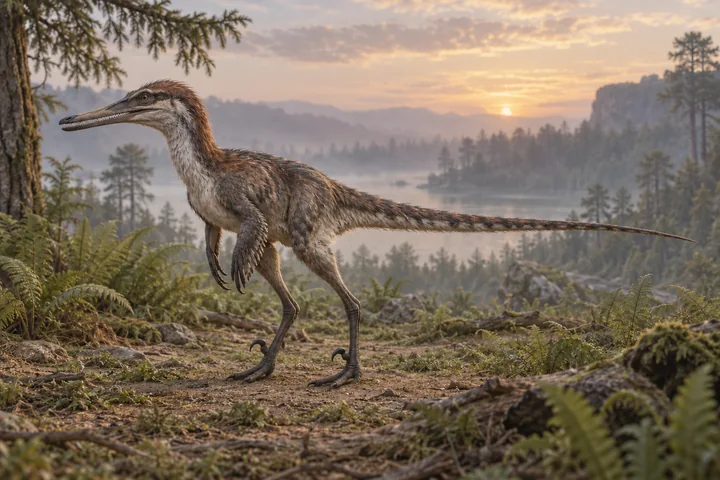
A small predator whose famous fossil preserves an encounter with Protoceratops.

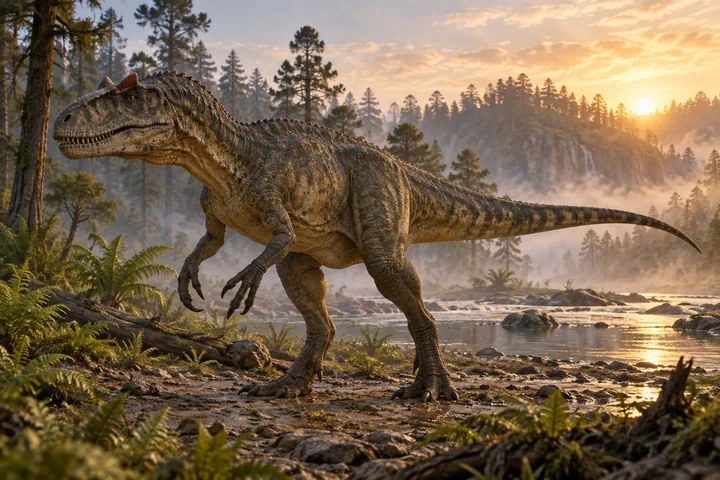
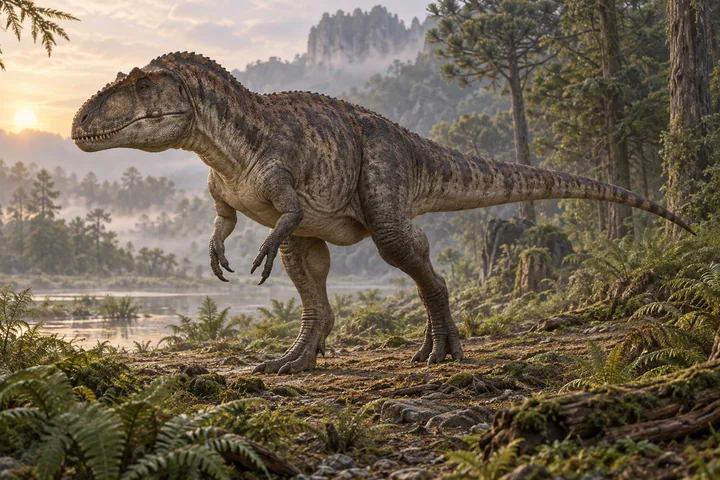
Allosaurus
Allosaurus combined three-fingered hands with small horns above its eyes.

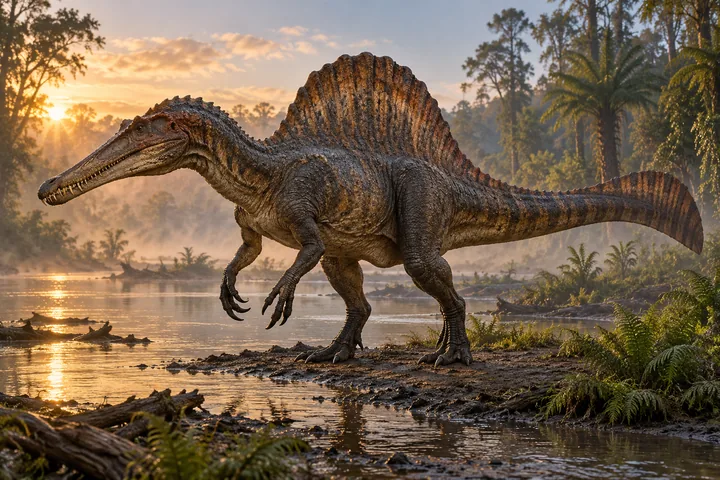
Spinosaurus
Spinosaurus had short hind limbs and a broad, paddle-shaped tail.

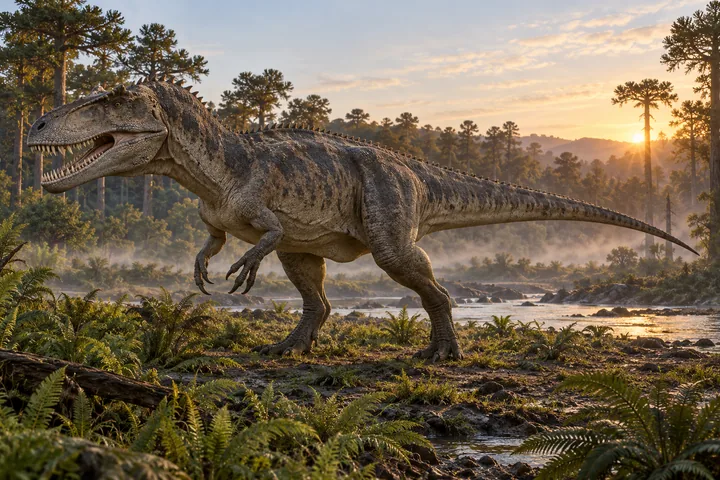
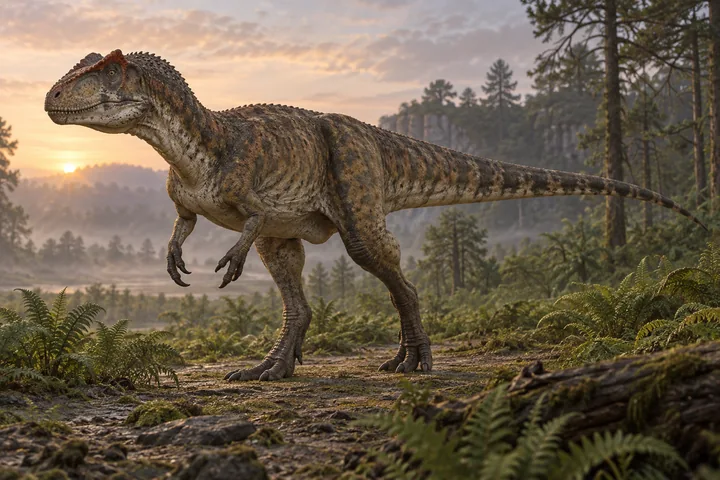
Giganotosaurus
Giganotosaurus carried long, serrated teeth shaped for slicing flesh.

Carcharodontosaurus
Carcharodontosaurus was named for teeth resembling those of sharks.

Acrocanthosaurus
Acrocanthosaurus carried unusually tall spines on its back, hip and tail vertebrae.

Carnotaurus
Carnotaurus paired two head horns with extraordinarily reduced forelimbs.

Ceratosaurus
Ceratosaurus had a nose horn and small bony armor pieces along its back.

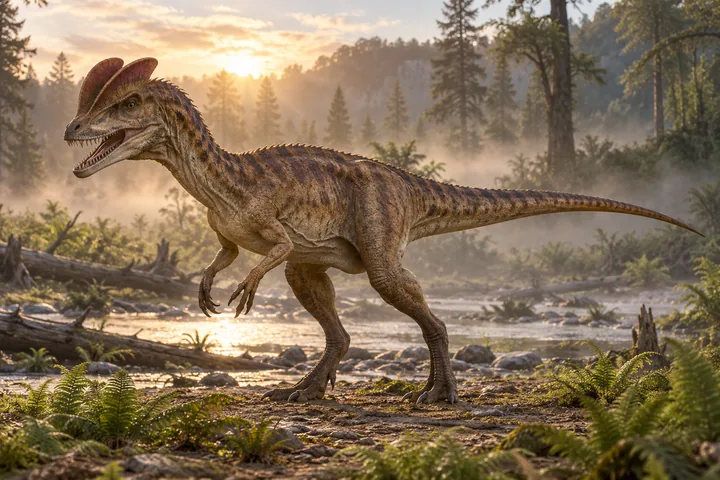
Dilophosaurus
Dilophosaurus had paired head crests penetrated by air spaces.

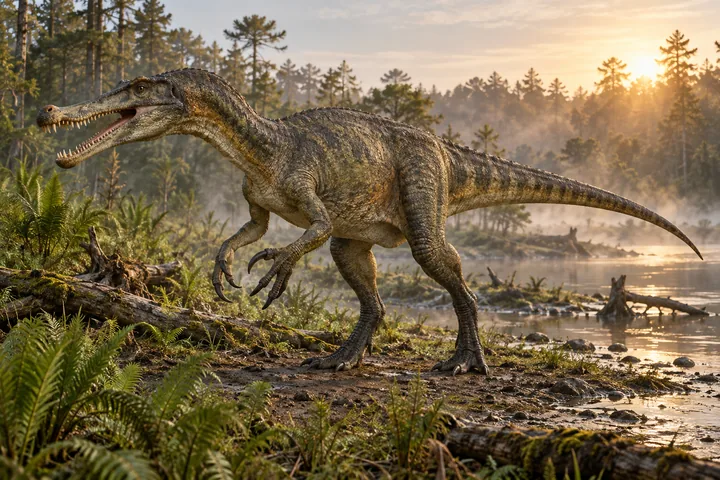
Baryonyx
A Baryonyx fossil preserved fish scales and dinosaur bones in its abdominal region.

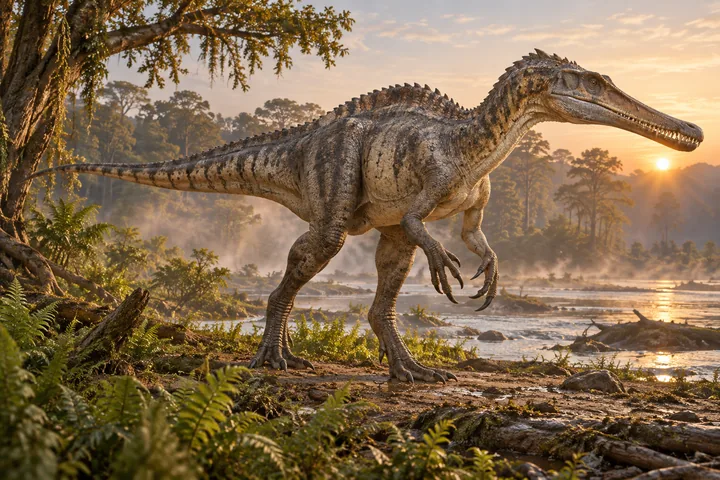
Suchomimus
Suchomimus combined a crocodile-like snout with enormous curved thumb claws.

Albertosaurus sarcophagus
Albertosaurus had proportionately longer lower hind limbs than the heavier-built tyrannosaurines.

Daspletosaurus torosus
Daspletosaurus fossils include healed facial bites and evidence of a hadrosaur meal.

Tarbosaurus bataar
Tarbosaurus combined a huge head with exceptionally reduced forelimbs.

Yutyrannus huali
Yutyrannus preserves direct evidence of long filamentous feathers on a giant theropod.

Coelophysis bauri
The famous claim that Coelophysis ate its young failed detailed fossil re-examination.

Cryolophosaurus ellioti
Cryolophosaurus had a fluted crest running across the top of its skull.

Majungasaurus crenatissimus
Majungasaurus left feeding marks on bones of both sauropods and its own species.

Deinonychus
The raised sickle claw helped change how scientists saw dinosaurs.


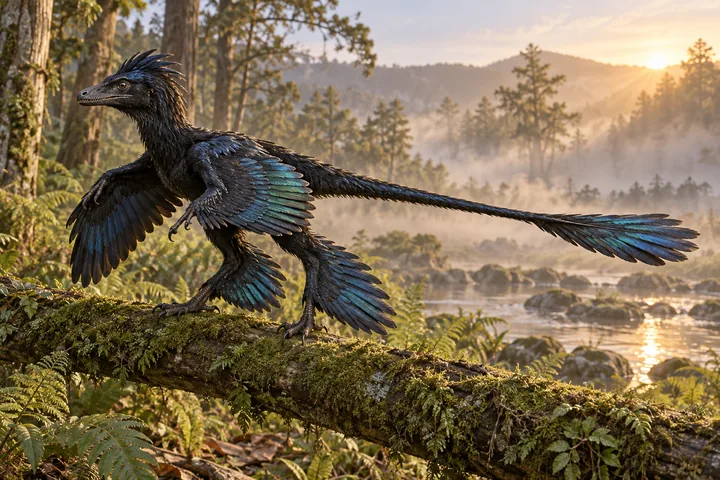
Microraptor
Flight feathers grew on its hind legs as well as its arms.

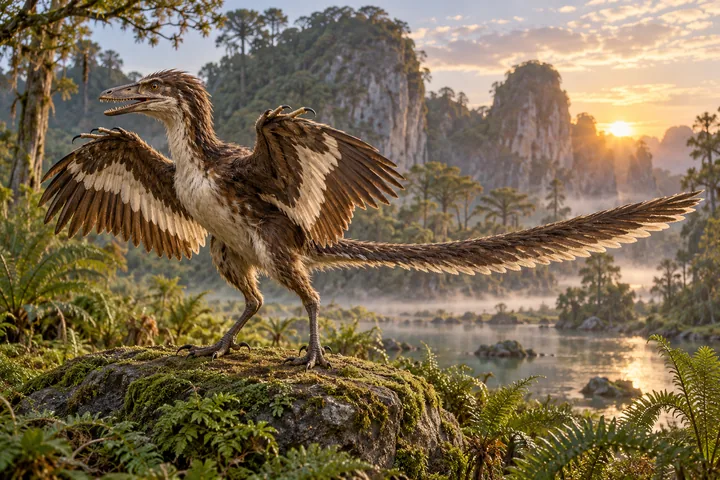
Archaeopteryx
Feathered wings combined with teeth and a long bony tail.

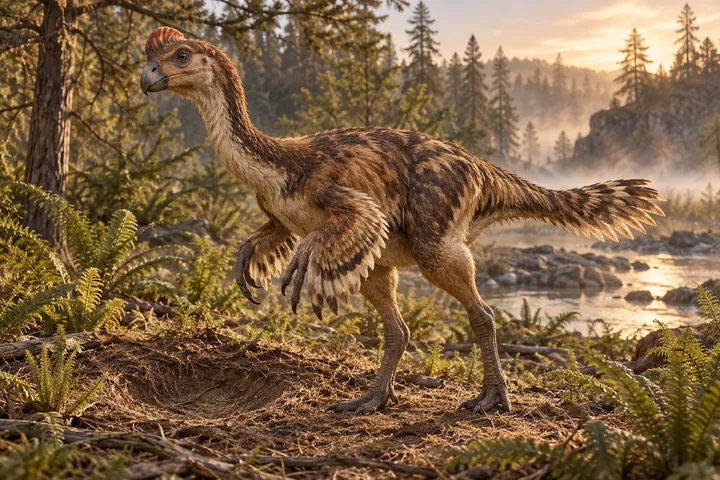
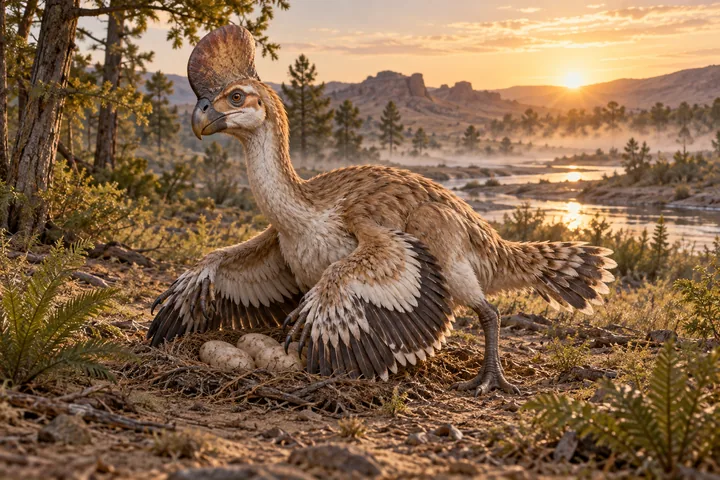
Oviraptor
An “egg thief” whose nest association tells a different story.


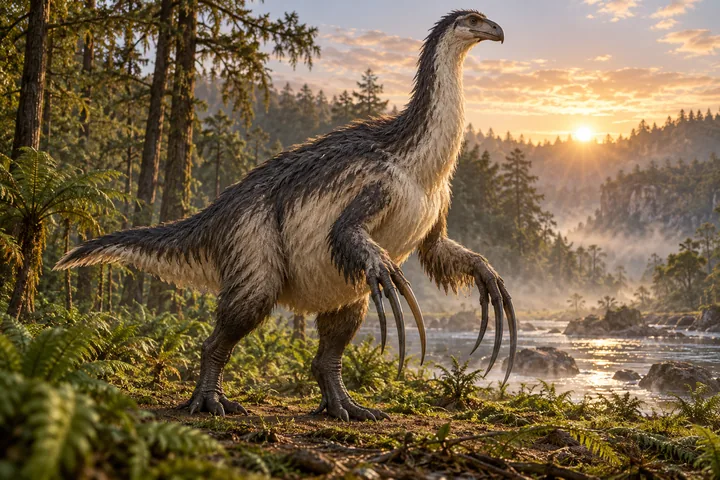
Therizinosaurus
Enormous hand claws on a plant-eating theropod.

Deinocheirus
The mystery arms belonged to a humped, broad-beaked giant.

Gallimimus
An ostrichlike runner with a toothless, ducklike beak.


Sinosauropteryx
A fuzzy predator with a banded tail and inferred eye mask.

Compsognathus
A small predator whose last meal survived inside its fossil.

Protoceratops
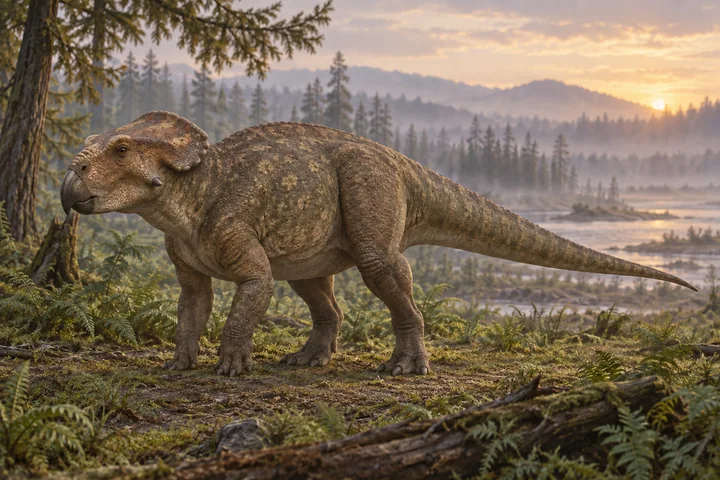
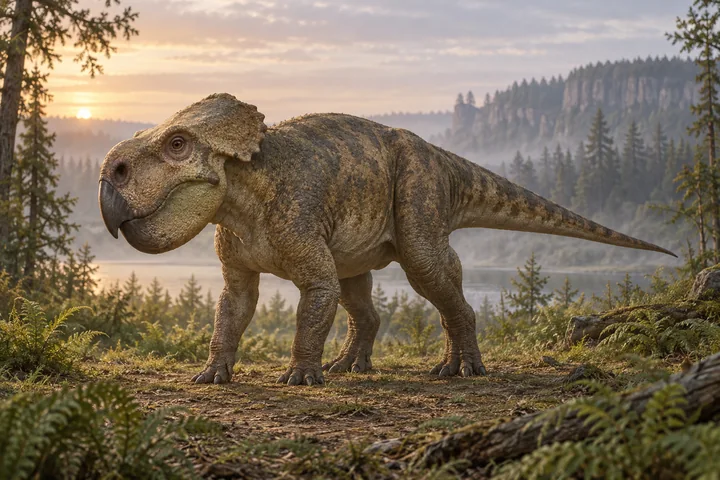
A beaked herbivore preserved in a struggle with Velociraptor.

Psittacosaurus
A parrotlike beak, cheek projections and bristles on the tail.

Styracosaurus
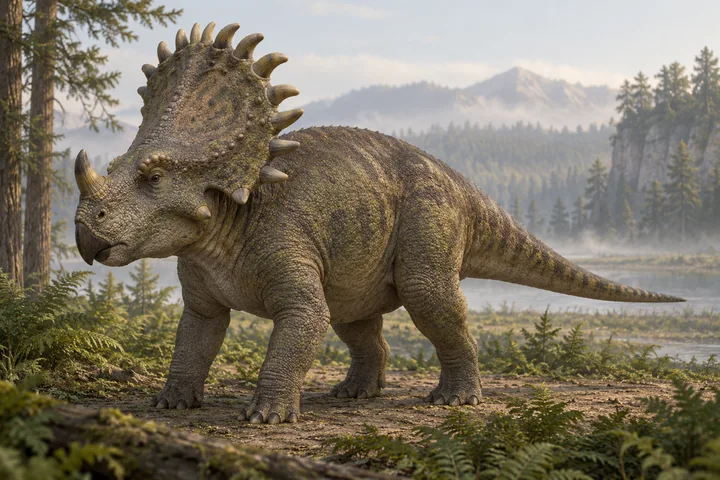
A long nose horn framed by a spectacular spiked frill.

Centrosaurus
A single nose horn — and a fossil that preserves bone cancer.

Pachyrhinosaurus
A broad bony nasal boss took the place of a nose horn.


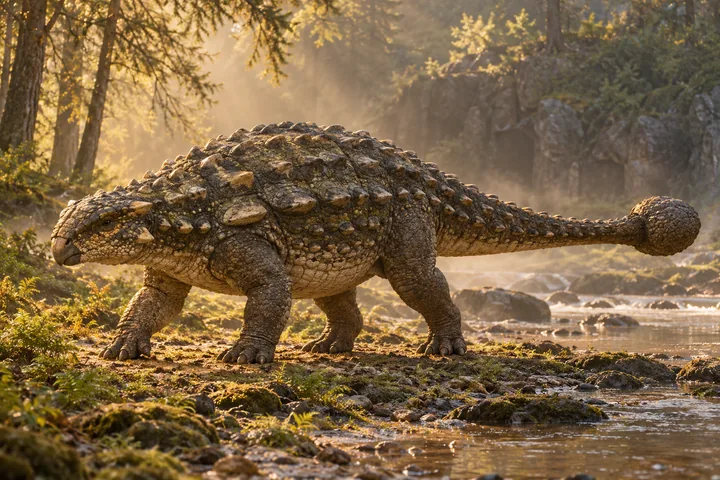
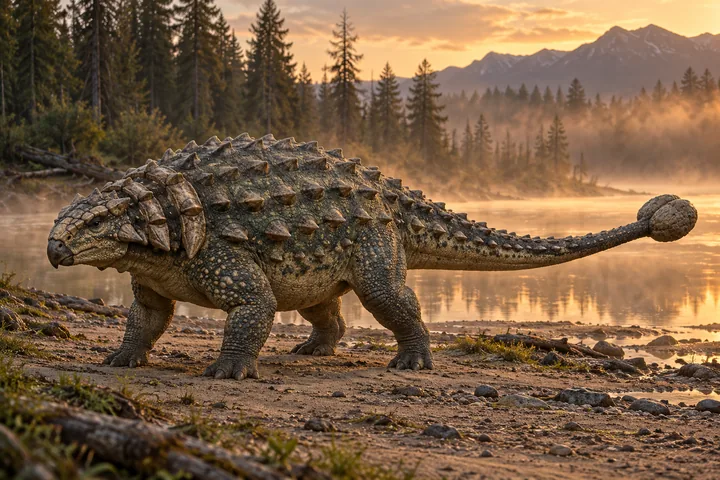
Euoplocephalus
Neck armour helps separate this ankylosaur from former look-alike referrals.

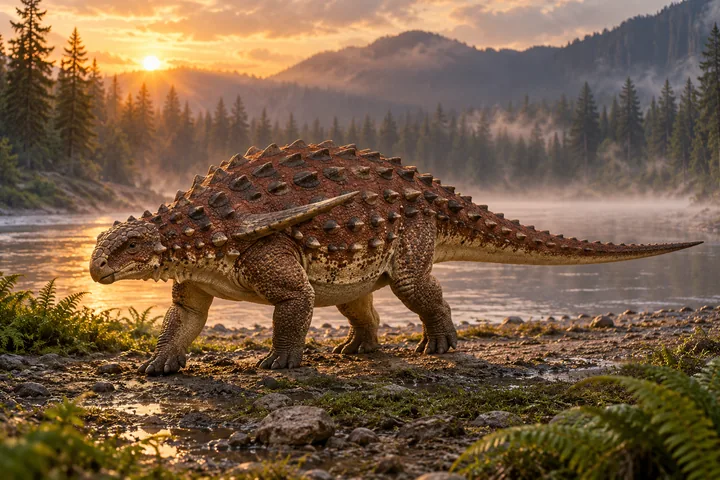
Borealopelta markmitchelli
Preserved skin, armour and a fern-rich last meal.

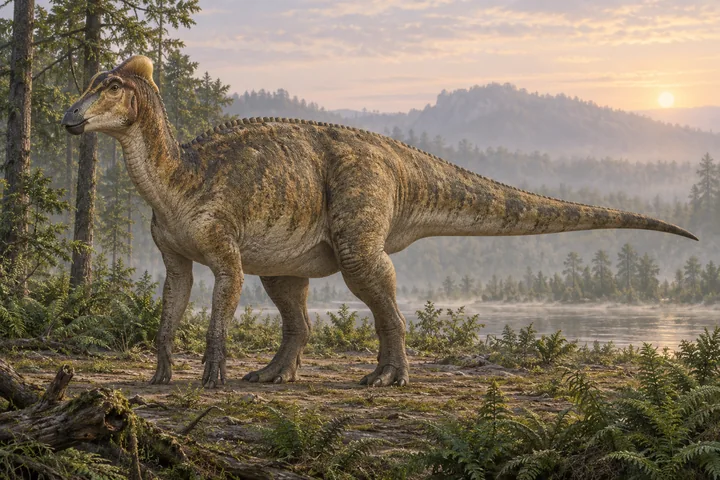
Edmontosaurus
Replaceable tooth batteries behind a cropping beak.


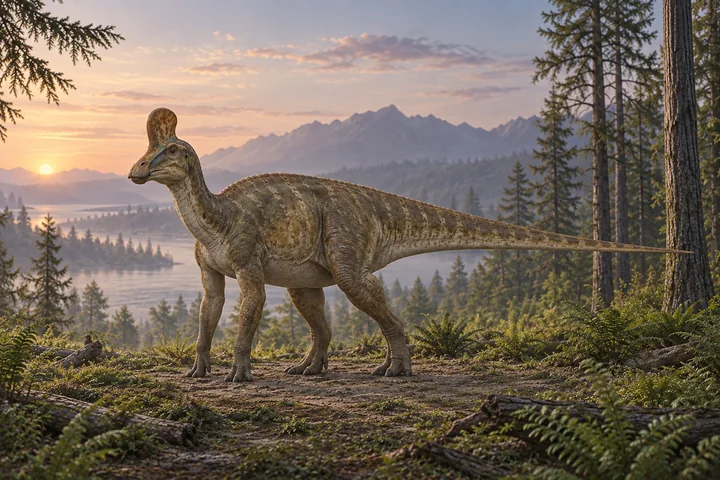
Corythosaurus
A helmet-like crest enclosing elaborate nasal passages.

Lambeosaurus
A hatchet-shaped crest with hollow nasal passages.

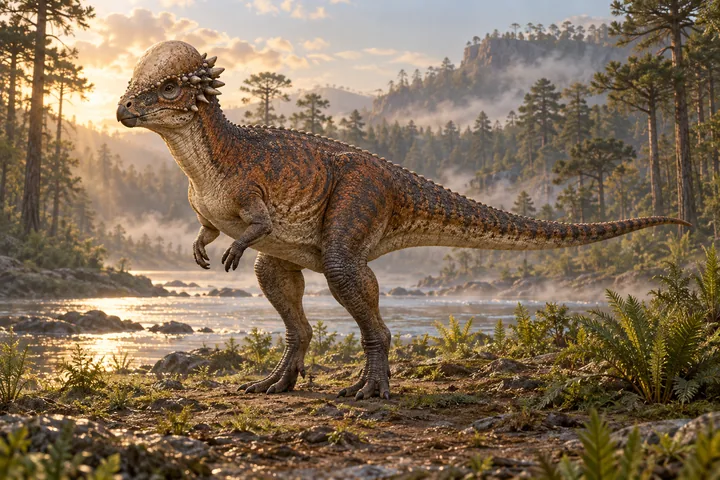
Pachycephalosaurus
A bony dome ringed with spikes and bumps.


Apatosaurus
A narrow skull restored after decades with the wrong head.

Brontosaurus
The thunder lizard revived by detailed anatomical comparison.

Argentinosaurus huinculensis
A giant known from fragments, with no skull yet found.

Dreadnoughtus schrani
An exceptionally complete giant that was still growing.

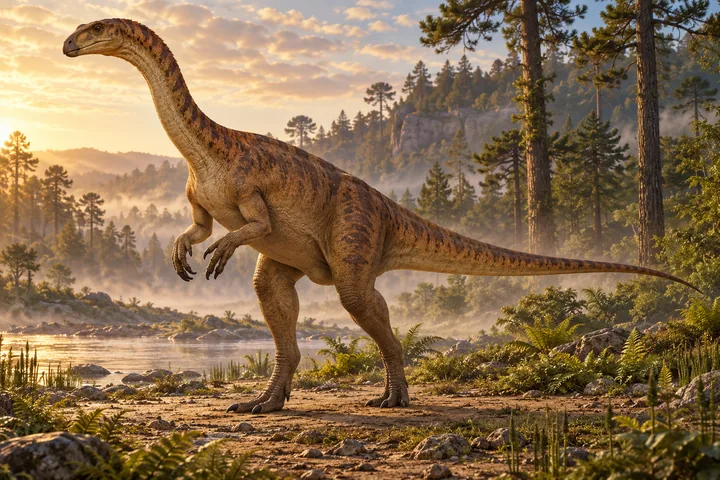
Plateosaurus
Grasping hands on a bipedal relative of the giant sauropods.

Herrerasaurus
Strong grasping arms and long recurved teeth near dinosaur origins.

Megalosaurus bucklandii
Megalosaurus bucklandii was a Jurassic predator from England. Its fragmentary bones helped launch dinosaur science, while its modern identity is anchored by a distinctive lower jaw.

Dryptosaurus aquilunguis
Dryptosaurus was an eastern North American tyrannosauroid with a short upper arm and unusually large hand. Its partial skeleton and changing restorations reveal how evidence and imagination interact.

Eoraptor lunensis
Eoraptor was a small, early dinosaur from Argentina's Ischigualasto Formation. Its mixed dental features have produced competing feeding interpretations, and later studies place it near the origin of sauropodomorphs.

Eodromaeus murphi
Eodromaeus was a small predatory dinosaur from Argentina's Ischigualasto Formation. Curved teeth and grasping hands distinguish it from contemporary dinosaurs with different feeding adaptations.

Mussaurus patagonicus
Mussaurus grew from tiny hatchlings into large sauropodomorphs. Eggs and clustered skeletons from Patagonia provide unusually rich evidence for nesting and age-related social organization.

Massospondylus carinatus
Massospondylus was a southern African sauropodomorph with a long neck and a prominent thumb claw. Preserved eggs, embryos and nesting grounds illuminate reproduction while young-animal posture remains debated.

Heterodontosaurus tucki
Heterodontosaurus was a small southern African ornithischian with contrasting tooth types. Its tusk-like teeth, chewing adaptations and unusual chest anatomy open different windows onto its biology.

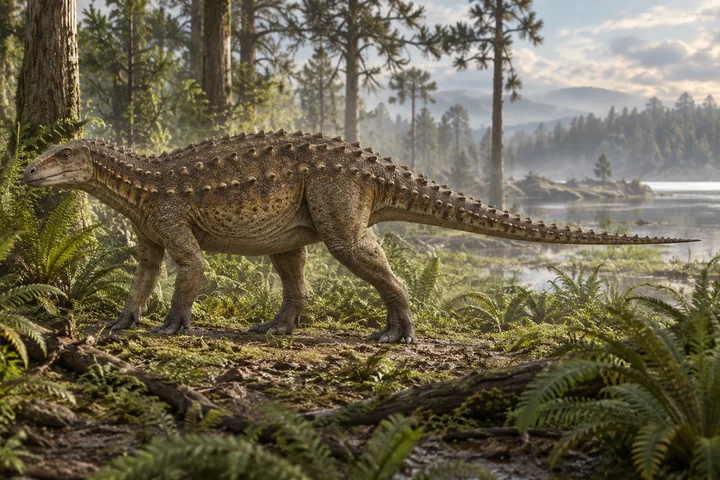
Scelidosaurus harrisonii
Scelidosaurus harrisonii was an Early Jurassic plant-eater from Dorset, England. Its well-preserved skeleton records bony body armour and a distinctive skull.

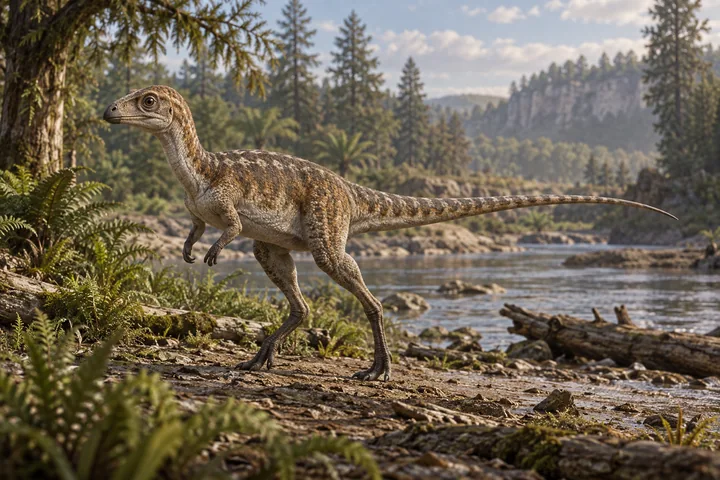
Hypsilophodon foxii
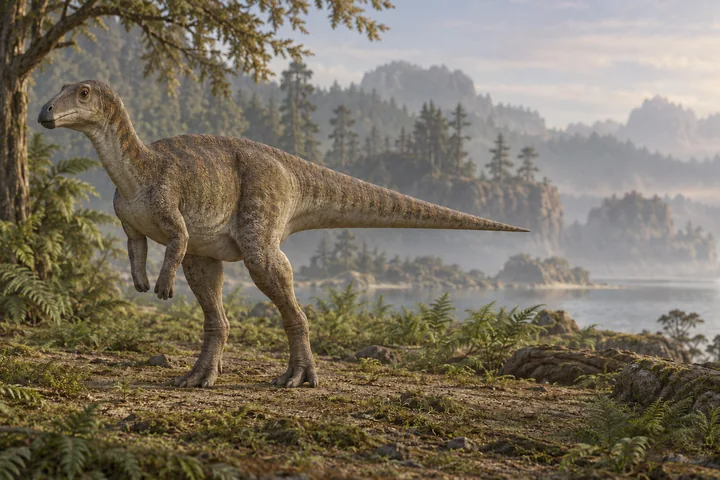
Hypsilophodon foxii was a small, ground-dwelling plant-eater from the Isle of Wight. Its lightly built skeleton and long hind limbs are consistent with agile running.

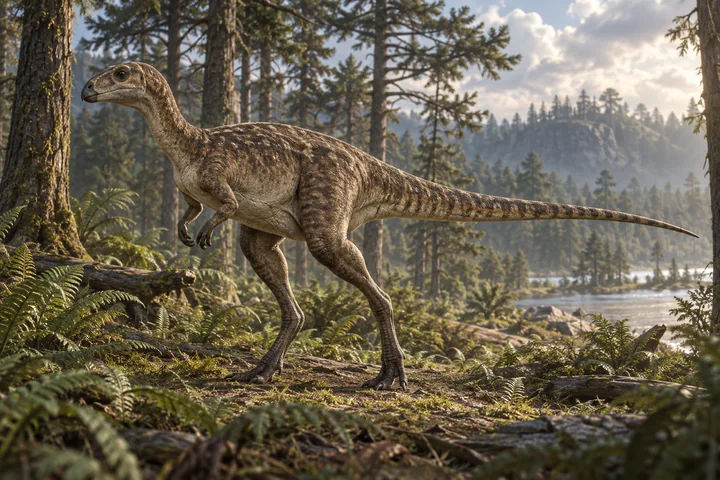
Dryosaurus altus
Dryosaurus altus was a small bipedal plant-eater from the Late Jurassic of western North America. Revised identifications separate it from famous Utah skeletons assigned to Dryosaurus elderae.

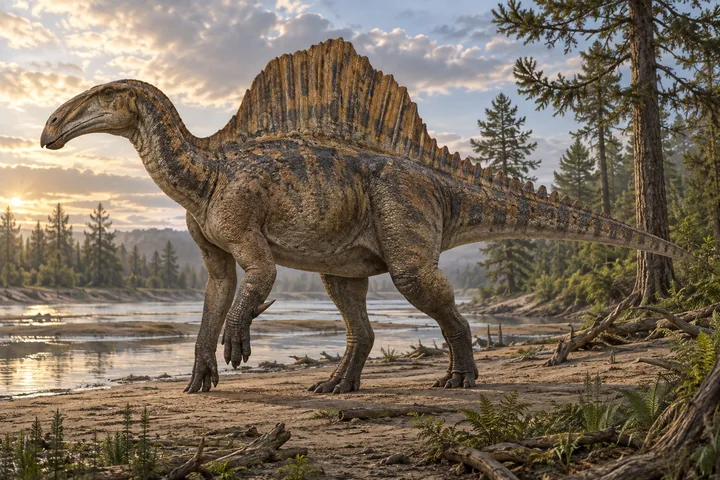
Ouranosaurus nigeriensis
Ouranosaurus nigeriensis was a plant-eating ornithopod from Niger with tall vertebral spines. Studies investigate their possible roles and skeleton growth stages.

Amargasaurus cazaui
Amargasaurus cazaui was an Early Cretaceous sauropod from Argentina with paired elongated neck spines. Bone histology supports connected soft tissue rather than separate horn sheaths.

Camarasaurus
Camarasaurus was a Late Jurassic North American sauropod with broad teeth, a boxy skull and air-filled vertebrae.

Mamenchisaurus
Mamenchisaurus includes long-necked Chinese sauropods. Differing species and recent research require revision of the traditional genus.

Nigersaurus taqueti
Nigersaurus was a plant-eating sauropod from Niger with an unusually broad muzzle and tightly packed tooth batteries. Its skull offers a detailed window into feeding close to the ground.

Sauropelta edwardsorum
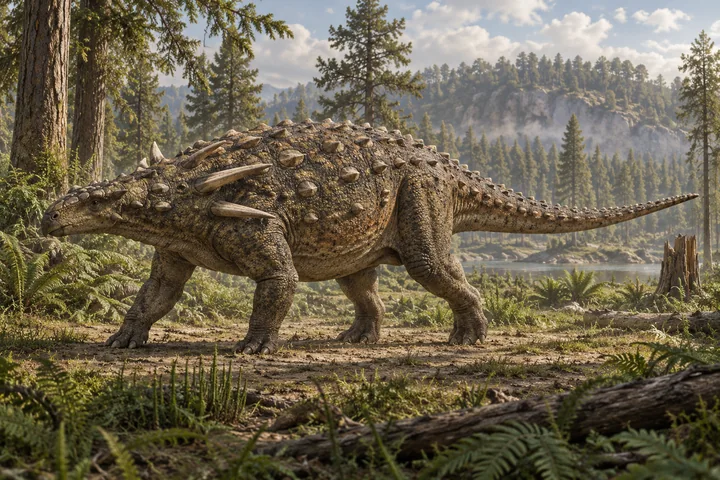
Sauropelta was an armored plant eater from Early Cretaceous North America. Several partial skeletons preserve armor in place, helping researchers work out how its bony covering fitted around the body.

Minmi paravertebra
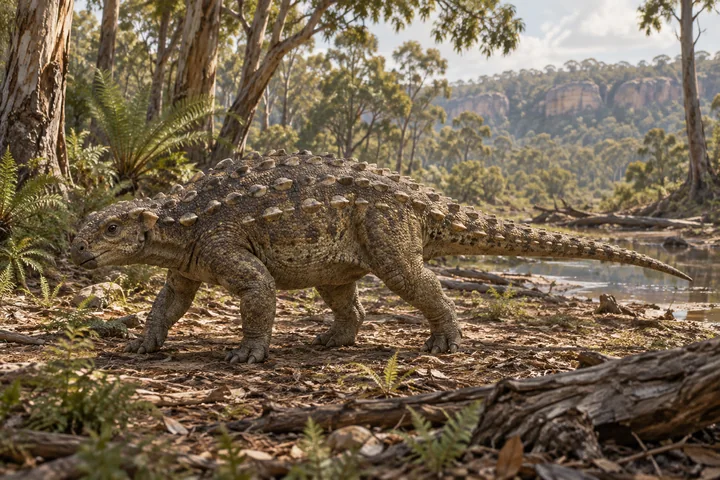
Minmi is an Australian ankylosaur known from incomplete type material. The more complete skeleton renamed Kunbarrasaurus belongs in a separate profile.

Chasmosaurus
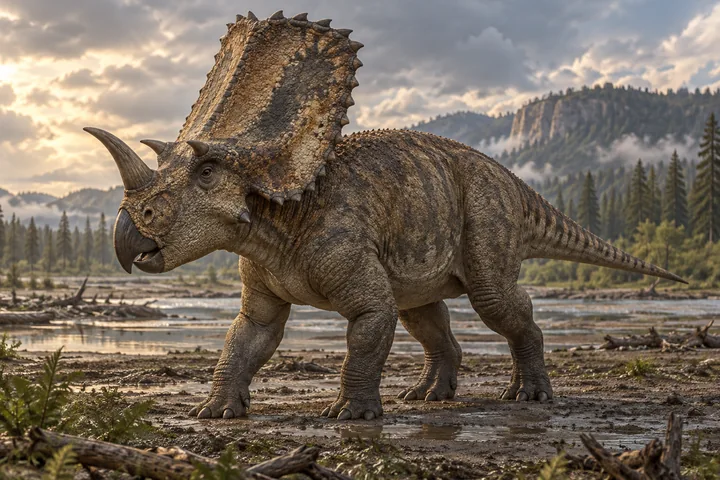
Chasmosaurus was a horned plant eater from Late Cretaceous Canada. A rare juvenile skeleton reveals that its frill changed in shape as well as relative size during growth.

Pentaceratops sternbergii
Pentaceratops was a horned plant eater from Late Cretaceous New Mexico. Its name counts the prominent cheek projections alongside the nasal and brow horns, while disputed giant material requires separate treatment.

Concavenator corcovatus
Concavenator was a meat-eating theropod from Early Cretaceous Spain with a pointed back structure. Its possible forearm feather attachments remain disputed.

Maiasaura peeblesorum
Maiasaura preserves detailed evidence of growth, nesting and possible care.

Gryposaurus monumentensis
Gryposaurus was a duck-billed dinosaur with an arched nose; its species differ in skull construction.

Saurolophus angustirostris
Distinctive crests, skin and perinatal evidence.

Tenontosaurus tilletti
Tenontosaurus offers evidence of growth, juvenile associations and reproduction before full skeletal maturity.

Lesothosaurus diagnosticus
Lesothosaurus was a small early ornithischian.

Scutellosaurus lawleri
Scutellosaurus paired small bony armor with a lightly built body and predominantly bipedal movement.

Lufengosaurus huenei
Lufengosaurus combines well-known adult skeletons with embryonic and hatchling evidence that tests hypotheses of dependence.

Shunosaurus lii
Shunosaurus was a Chinese plant-eater with a comparatively short neck, stout teeth and a small bony tail club.

Saltasaurus loricatus
Saltasaurus was an Argentine titanosaur whose fossils preserve bony plates and tiny skin ossicles.

Patagotitan mayorum
Patagotitan was an enormous Argentine titanosaur known from several individuals buried in successive floodplain deposits.

Alamosaurus sanjuanensis
Alamosaurus is a New Mexican titanosaur with fossil assignments reconsidered in 2025.

Sauroposeidon proteles
Sauroposeidon was an Early Cretaceous North American sauropod distinguished by extremely elongated, air-filled neck vertebrae.

Huayangosaurus taibaii
Huayangosaurus was a small Chinese stegosaur with a relatively broad skull and teeth at the front of its upper jaw.

Tuojiangosaurus multispinus
Tuojiangosaurus was a Late Jurassic Chinese plant-eating stegosaur with varied bony plates along its body.


Polacanthus foxii
Polacanthus was an armored plant-eater from England, recognized especially by the bony shield covering its hips.

Pinacosaurus
Pinacosaurus was an Asian armored plant-eater whose juvenile assemblages and preserved larynx reveal unusual details of its biology.

Einiosaurus procurvicornis
Einiosaurus was a Montana horned plant-eater with a distinctive nasal horn curving forward and downward.

Qianzhousaurus sinensis
Qianzhousaurus was a long-snouted tyrannosaur from southern China, with skull proportions very different from deep-headed relatives.

Austroraptor cabazai
Austroraptor was a large Patagonian theropod with a long low skull, small teeth and unusually short arms.

Torvosaurus tanneri
Torvosaurus combined powerful jaws with a rare embryonic record.

Sinraptor dongi
Sinraptor's teeth and healed facial injuries illuminate a predator.

Yangchuanosaurus shangyouensis
Yangchuanosaurus had a tall toothed skull and nasal ornament.

Neovenator salerii
Neovenator's fossil snout contains a complex network of canals.

Australovenator wintonensis
Australovenator preserves powerful grasping arms and large hand claws.

Monolophosaurus jiangi
Monolophosaurus is recognized by a single crest along its skull.

Alioramus altai
Alioramus had a long low snout; its best-described skeleton was young.

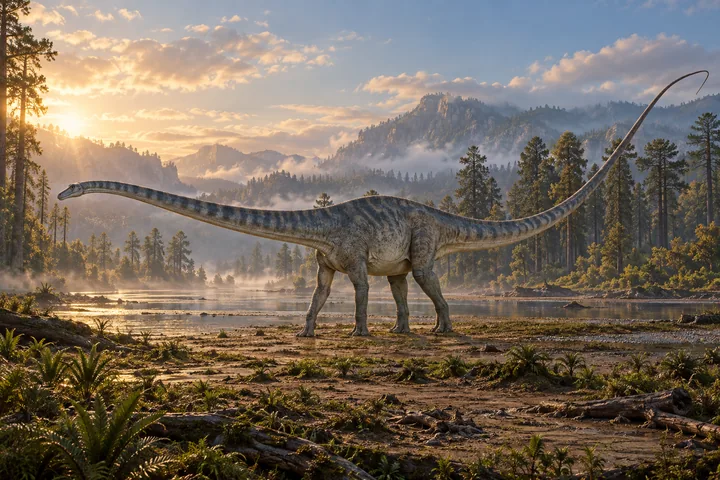
Giraffatitan brancai
Giraffatitan was a tall-shouldered plant-eater from Tanzania, famous for the reconstructed skeleton displayed in Berlin.

Barosaurus lentus
Barosaurus was a long-necked plant-eater. Its dramatic New York display is an imagined encounter built from skeletal casts.

Cetiosaurus oxoniensis
Cetiosaurus was a large terrestrial plant-eater from Middle Jurassic England, represented by important partial skeletons rather than one complete fossil body.

Europasaurus holgeri
Europasaurus was a small-bodied sauropod from Jurassic Germany. Bone tissue confirms that some small individuals were fully grown, rather than juveniles of a giant species.

Tazoudasaurus naimi
Tazoudasaurus was an early Moroccan sauropod with broad teeth and a spreading hand skeleton. Its fossils illuminate changes toward the later giant sauropod body plan.

Riojasaurus incertus
Riojasaurus was a robust sauropodomorph from Late Triassic Argentina. Its small skull and unusual teeth became known through a skeleton smaller than the headless type.

Shantungosaurus giganteus
Shantungosaurus was a giant plant-eating hadrosaur from China, with a broad beak and deep dental batteries rather than an elaborate hollow crest.

Dacentrurus armatus
Dacentrurus was a heavily built European stegosaur, combining bony armor with a substantial pelvis and limbs.

Edmontonia
Edmontonia was a Late Cretaceous North American plant-eater protected by bony plates and lateral spikes.

Panoplosaurus mirus
Panoplosaurus was an armored plant-eater whose skull preserves evidence about chewing and unusually winding nasal passages.

Diabloceratops eatoni
Diabloceratops is known for a horned skull with long brow horns and a pair of prominent rear frill spines.

Nasutoceratops titusi
Nasutoceratops was a short-snouted horned dinosaur with a broad nose, forward-curving brow horns and a comparatively simple frill.

Eocursor parvus
Eocursor was a small early ornithischian with elongated hindlimbs, substantial hands and teeth consistent with at least some plant eating.

Caudipteryx zoui
Caudipteryx preserves a feather fan on a short tail.

Avimimus portentosus
Avimimus has a compact head and an unusually informative bonebed.

Sinornithosaurus millenii
Sinornithosaurus preserves branching feather structures in stone.

Dromaeosaurus albertensis
Dromaeosaurus combines a robust skull with distinctive cutting teeth.

Saurornitholestes langstoni
Saurornitholestes has a shorter, deeper skull than Velociraptor.

Ornitholestes hermanni
Ornitholestes is a small Morrison theropod with a historically misleading nose restoration.

Scipionyx samniticus
Scipionyx is a tiny juvenile preserving exceptional internal tissues.

Rapetosaurus krausei
Rapetosaurus was a Malagasy titanosaur. Its famous Field Museum skeleton belonged to a growing youngster.

Malawisaurus dixeyi
Malawisaurus was a plant-eating titanosaur from Malawi, known from skull elements, vertebrae, limb bones and dermal armor.

Isisaurus colberti
Isisaurus was an Indian titanosaur whose partial skeleton preserves distinctive neck vertebrae, shoulders and forelimbs.

Rajasaurus narmadensis
Rajasaurus was a meat-eating abelisaurid from India with a single short horn on its skull roof.

Rugops primus
Rugops was an African carnivorous dinosaur known for its deeply textured skull. Its reviewed type is a partial cranium.
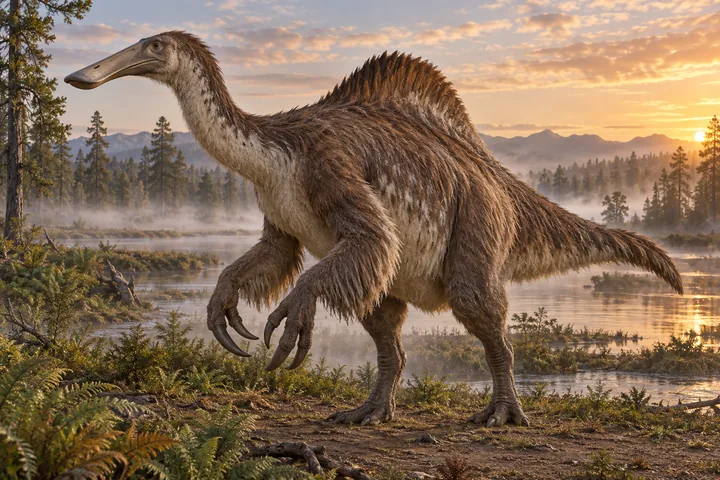
Fukuiraptor kitadaniensis
Fukuiraptor was a Japanese meat-eater with long hands and large, thin claws. Its well-known reconstructed individual was still growing.

Fukuisaurus tetoriensis
Fukuisaurus was a plant-eating ornithopod from Japan. Newly recovered skull and forelimb parts have changed its museum reconstruction.

Archaeoceratops oshimai
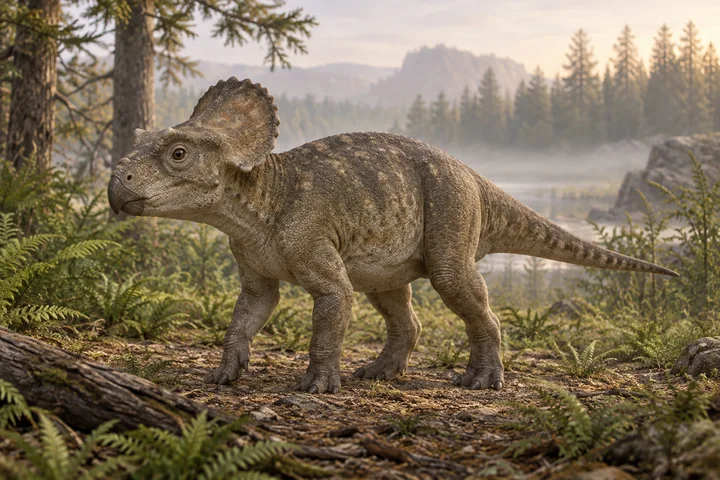
Archaeoceratops was a small beaked plant eater with a modest neck frill and a hornless skull.

Yamaceratops dorngobiensis
Yamaceratops was a small beaked ceratopsian whose cheek and jaw anatomy records a distinctive early neoceratopsian combination.

Leptoceratops gracilis
Leptoceratops was a hornless, short-frilled plant eater whose teeth preserve evidence of complex chewing.

Montanoceratops cerorhynchus
Montanoceratops was a small beaked ceratopsian; incomplete skull material has repeatedly changed how its head is reconstructed.

Udanoceratops tschizhovi
Udanoceratops was a large beaked ceratopsian with a strikingly deep lower jaw and an incompletely known body.

Zuniceratops christopheri
Zuniceratops combined prominent brow horns with a hornless nose, before the later radiation of large ceratopsids.

Buitreraptor gonzalezorum
Buitreraptor had a long, low snout and numerous tiny teeth.

Unenlagia comahuensis
Unenlagia combines bird-like shoulder features with a flightless body.

Adasaurus mongoliensis
Adasaurus is distinguished by a reduced claw on its second toe.

Achillobator giganticus
Achillobator had distinctive limb and pelvic proportions.

Halszkaraptor escuilliei
Halszkaraptor combines an unusually long neck with short forelimbs and a broad snout.

Alvarezsaurus calvoi
Alvarezsaurus is known chiefly from incomplete postcranial fossils.

Shuvuuia deserti
Shuvuuia had short arms with an enlarged first finger beside two reduced digits.

Saturnalia tupiniquim
Saturnalia was a small Brazilian sauropodomorph, combining a lightly built skeleton with evidence consistent with mixed feeding.

Thecodontosaurus antiquus
Thecodontosaurus was a small British sauropodomorph whose limbs suggest agile bipedal movement and teeth suggest mainly plant feeding.

Anchisaurus polyzelus
Anchisaurus was a small North American sauropodomorph whose juvenile and mature skulls reveal changes during growth.

Melanorosaurus readi
Melanorosaurus is a Late Triassic South African sauropodomorph whose modern diagnosis rests on restricted, fragmentary type material.

Antetonitrus ingenipes
Antetonitrus was a large early sauropodomorph combining substantial hindlimbs with forelimbs that retained grasping capabilities.

Vulcanodon karibaensis
Vulcanodon was an early sauropod from Zimbabwe with weight-bearing limbs and unusually shaped hindfoot claws.

Omeisaurus junghsiensis
Omeisaurus is a Chinese sauropod genus represented by several named species whose fossils and size references must be kept separate.

Tsintaosaurus spinorhinus
Tsintaosaurus was a plant-eating hadrosaur whose distinctive crest remains a subject of reconstruction and reassessment.

Amurosaurus riabinini
Amurosaurus was a hadrosaur with tooth batteries and skull architecture supporting a hollow crest whose complete shape remains unknown.

Olorotitan arharensis
Olorotitan was a hollow-crested hadrosaur distinguished by a broad helmet-like crest and an unusually long neck.

Bactrosaurus johnsoni
Bactrosaurus was a crestless plant-eating hadrosauroid with robust limbs and tooth batteries, represented at several growth stages.

Equijubus normani
Equijubus was a crestless plant-eating hadrosauroid with a broad beak, distinctive cheek anatomy and plant microfossils associated with its teeth.

Jinzhousaurus yangi
Jinzhousaurus was a crestless plant-eating ornithopod with a distinctive skull and unusually short, stout hand bones.

Tawa hallae
Tawa combined a long snout, slender limbs and a hand with three functional fingers.

Daemonosaurus chauliodus
Daemonosaurus is known from a small, deep skull with unusually enlarged front teeth.

Chindesaurus bryansmalli
Chindesaurus is anchored to a partial postcranial skeleton from Arizona, rather than a complete skull-and-body fossil.

Liliensternus liliensterni
Liliensternus is represented by two incomplete, still-growing skeletons from Late Triassic Germany.

Dracovenator regenti
Dracovenator is known chiefly from disarticulated jaw and snout bones in South Africa’s upper Elliot Formation.

Elaphrosaurus bambergi
Elaphrosaurus had an exceptionally elongated neck and long hindlimbs, but its skull and hand are unknown.

Limusaurus inextricabilis
Limusaurus lost its teeth as it grew, transforming toothed young jaws into the beak of older animals.

Rebbachisaurus garasbae
Rebbachisaurus was a Moroccan sauropod with towering back vertebrae. Its head and much of its complete silhouette remain reconstructed.

Dicraeosaurus hansemanni
Dicraeosaurus was a comparatively short-necked Tanzanian sauropod, distinguished by divided vertebral spines and a narrow feeding apparatus.

Bajadasaurus pronuspinax
Bajadasaurus was an Argentine sauropod with striking forward-directed neck spines. Its informative skull contrasts with a largely unknown body.

Limaysaurus tessonei
Limaysaurus was a Patagonian rebbachisaurid with tall vertebral spines and informative cranial remains. Its former name once linked it to Morocco’s Rebbachisaurus.

Jobaria tiguidensis
Jobaria was a large Nigerien sauropod with a relatively short neck and broad teeth. Its geological age was revised after the original discovery.

Spinophorosaurus nigerensis
Spinophorosaurus was a Nigerien sauropod whose virtual skeleton reveals elevated shoulders and potential high browsing. Its supposed tail spikes were reinterpreted as shoulder bones.

Aardonyx celestae
Aardonyx was a South African sauropodomorph whose jaws suggest bulk plant feeding while its forelimbs retain a mainly bipedal, grasping arrangement.

Gigantspinosaurus sichuanensis
Gigantspinosaurus was a stegosaur distinguished by enormous shoulder spines and preserved patches of patterned skin.

Akainacephalus johnsoni
Akainacephalus combined a heavily ornamented head with a broad tail club in the Late Cretaceous of southern Utah.

Stegouros elengassen
Stegouros was a small armored plant eater with a short tail ending in a flattened blade-like weapon.

Kunbarrasaurus ieversi
Kunbarrasaurus is an Australian armored dinosaur whose preserved gut contents provide direct evidence of plant eating.
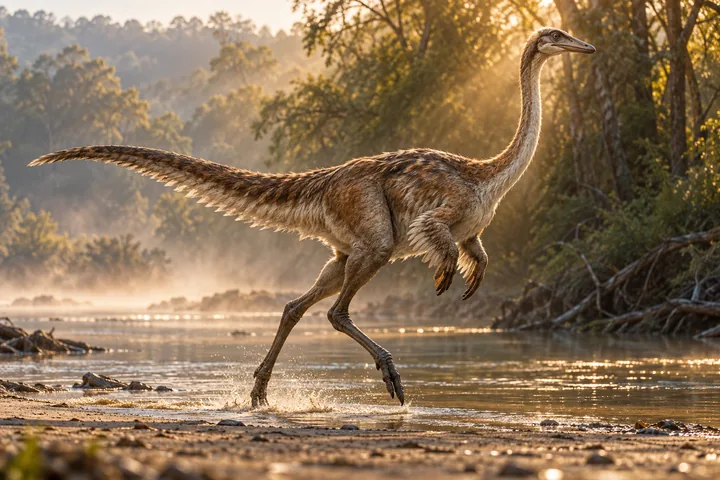
Gobisaurus domoculus
Gobisaurus was an armored plant eater identified principally through a skull from Inner Mongolia.

Cedarpelta bilbeyhallorum
Cedarpelta was a large armored plant eater with an elongate skull and comparatively subdued cranial ornament.

Guanlong wucaii
Guanlong was a slender predator with long, three-fingered arms and a delicate crest along its skull.

Proceratosaurus bradleyi
Proceratosaurus is known from one partial skull with enlarged nostrils and the base of a crest.

Dilong paradoxus
Dilong was a small tyrannosauroid with long arms; a referred fossil preserves branching skin filaments.

Xiongguanlong baimoensis
Xiongguanlong had a remarkably long, shallow snout and several skeletal features later seen in giant tyrannosaurids.

Timurlengia euotica
Timurlengia’s braincase reveals advanced tyrannosauroid sensory anatomy before the group reached giant body sizes.

Mononykus olecranus
Mononykus combined very short, powerful forelimbs with a dominant manual claw and long, slender hindlimbs.

Patagonykus puertai
Patagonykus is a Patagonian alvarezsaurid with a stout manual claw, powerful short forelimbs and an incomplete skeleton.

Megaraptor namunhuaiquii
Megaraptor was a Patagonian predator with an enormous claw on its first finger. A juvenile preserves much of the known skull anatomy.

Chilantaisaurus tashuikouensis
Chilantaisaurus is known from large limb bones in Inner Mongolia. Its head and much of its body remain reconstructed.

Falcarius utahensis
Falcarius combined long-clawed arms with unusual dentition. Utah’s abundant quarry material documents an early stage of therizinosaur dietary evolution.

Beipiaosaurus inexpectus
Beipiaosaurus preserves a combination of short filaments and long, broad unbranched feathers. Its type skeleton was still immature.

Alxasaurus elesitaiensis
Alxasaurus linked therizinosaurs with other theropods through its skeleton. A preserved jaw and specialized wrist give separate clues to feeding and movement.

Segnosaurus galbinensis
Segnosaurus had a downturned lower jaw and unusually complex teeth. These structures support a distinctive plant-feeding interpretation.

Erlikosaurus andrewsi
Erlikosaurus preserves a nearly complete skull, allowing detailed CT reconstruction. Models investigate how a proposed beak affected plant feeding.

Kosmoceratops richardsoni
Kosmoceratops carried an unusually ornate head with fifteen horn-like features, including a curled frill margin.

Utahceratops gettyi
Utahceratops combined an elongated frill with short, blunt brow horns that projected strongly sideways.

Regaliceratops peterhewsi
Regaliceratops had a crown-like frill and an unusual combination of a prominent nasal horn and reduced brow horns.

Avaceratops lammersi
Avaceratops is known securely from an immature skeleton, making the adult appearance particularly difficult to establish.

Agujaceratops (genus)
Agujaceratops was a Texas horned dinosaur whose two named species require separate skull reconstructions.
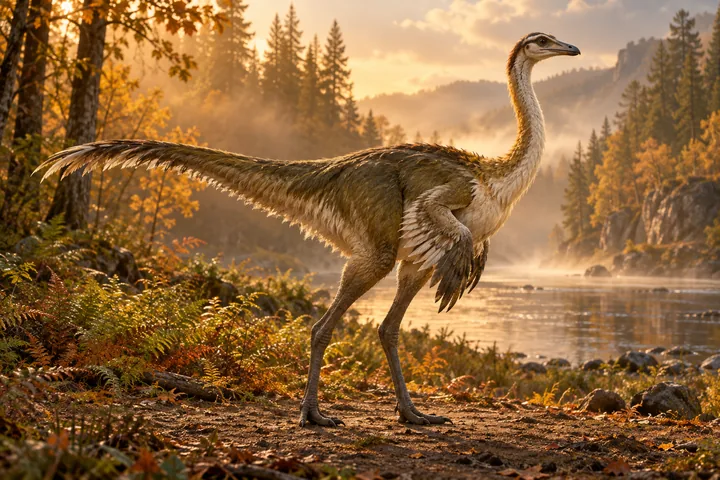
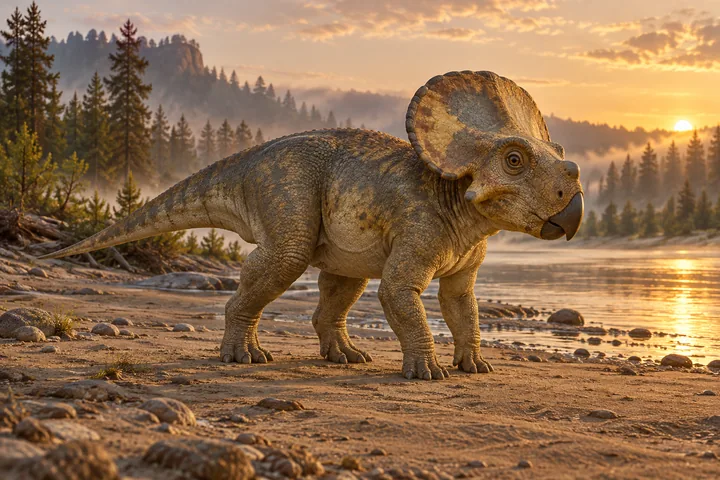
Sinoceratops zhuchengensis
Sinoceratops documents a ceratopsid in China with a nasal horn, no brow horns and a decorated frill.

Tethyshadros insularis
Tethyshadros was a plant-eating hadrosauroid with dental batteries, an unusual tail and three tightly grouped hand digits.

Kulindadromeus zabaikalicus
Kulindadromeus combined simple and compound feather-like appendages with scales on distinct regions of its small, two-legged body.

Aquilops americanus
Aquilops was a small early ceratopsian from Montana, distinguished by a hooked beak with a low bump. Its known fossil is a partial skull and jaws.

Wendiceratops pinhornensis
Wendiceratops was an Alberta plant eater with thick, forward-curled frill ornament. Its bonebed contains several individuals rather than one complete skeleton.

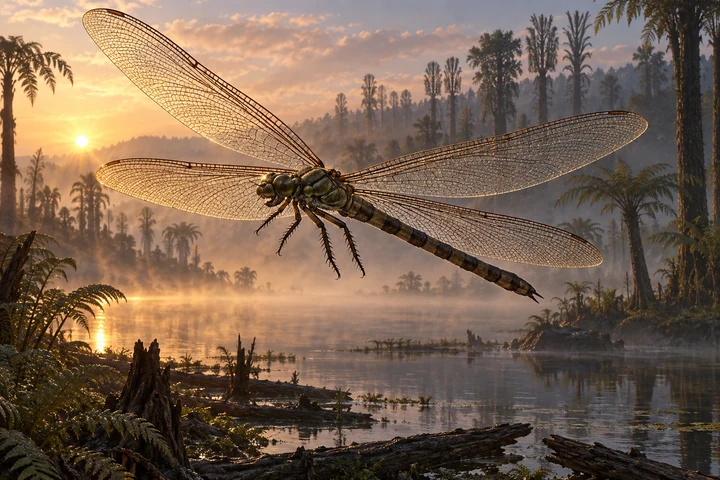
Meganeura
Prehistoric insect
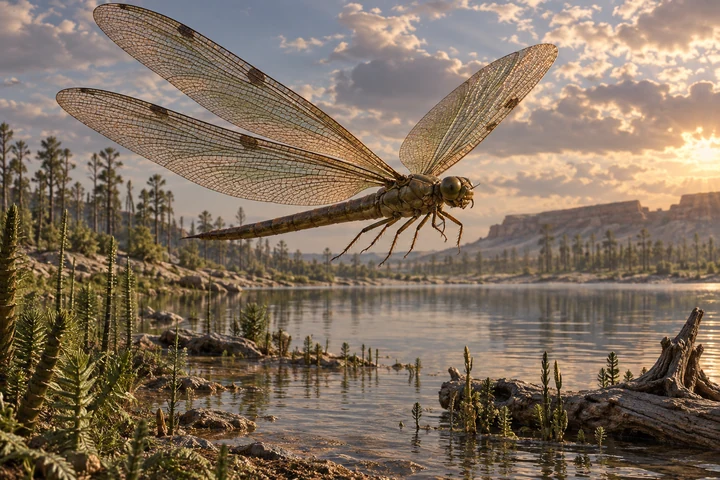
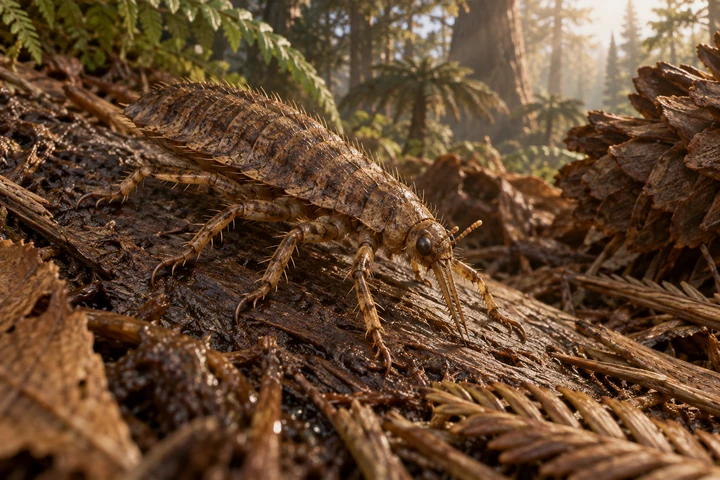
Meganeura was a large flying insect from Carboniferous France, known for its expansive wings.

Meganeuropsis
Prehistoric insect
Meganeuropsis was an enormous Permian griffinfly, a relative of dragonflies with distinctive wing venation.

Titanomyrma
Prehistoric insect
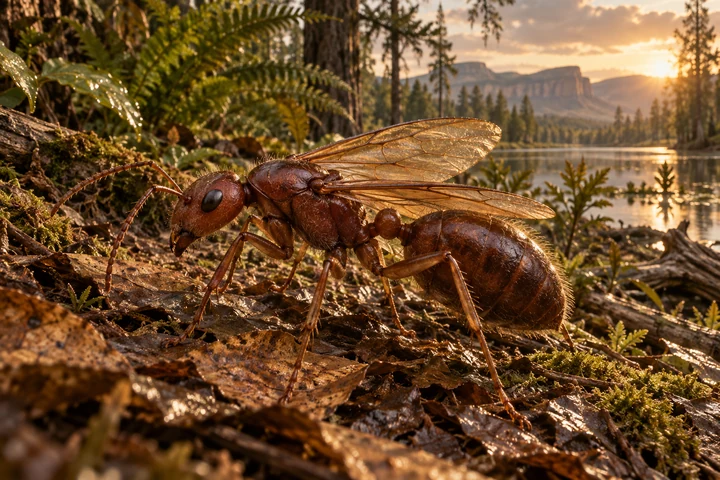
Titanomyrma was an Eocene ant genus with strikingly large winged queens and unresolved ecological details.

Kalligramma
Prehistoric insect
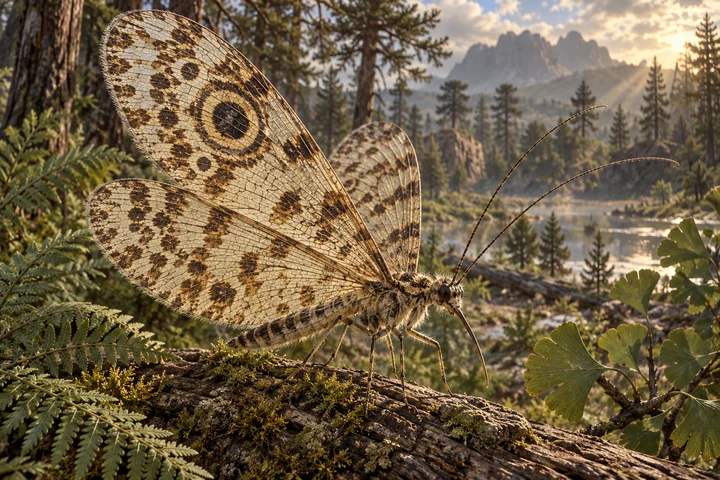
Kalligramma was a large lacewing whose patterned wings recall butterflies, despite its different ancestry.

Oregramma
Prehistoric insect
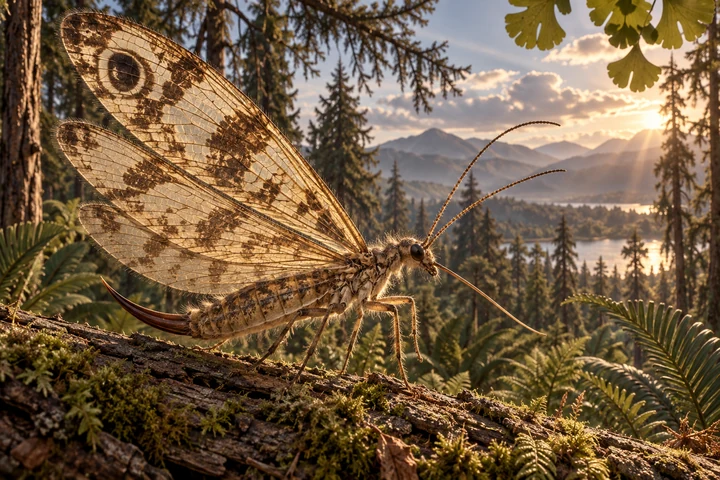
Oregramma was an eyespotted lacewing with sucking mouthparts; one female preserves an unusually long curved ovipositor.

Pseudopulex
Prehistoric insect
Pseudopulex was a wingless flea-like insect with long piercing mouthparts and strong claws.

Mosasaurus hoffmanni
Marine reptile
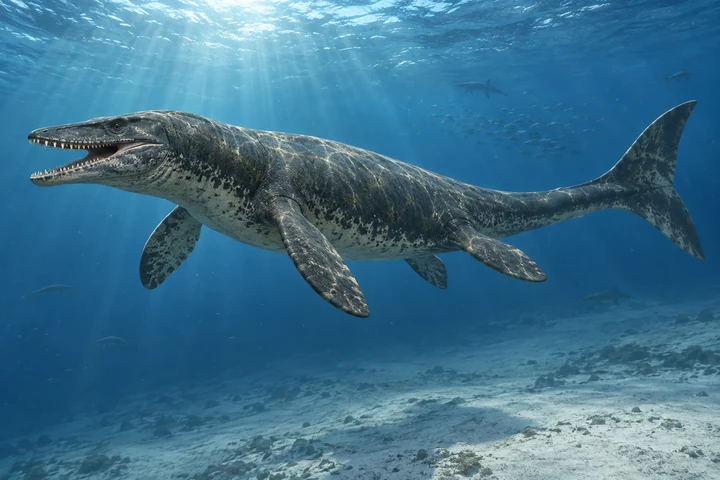
Mosasaurus was a large marine lizard with four flippers, a long tail and toothed jaws. Its size is reconstructed from incomplete fossils.

Plesiosaurus dolichodeirus
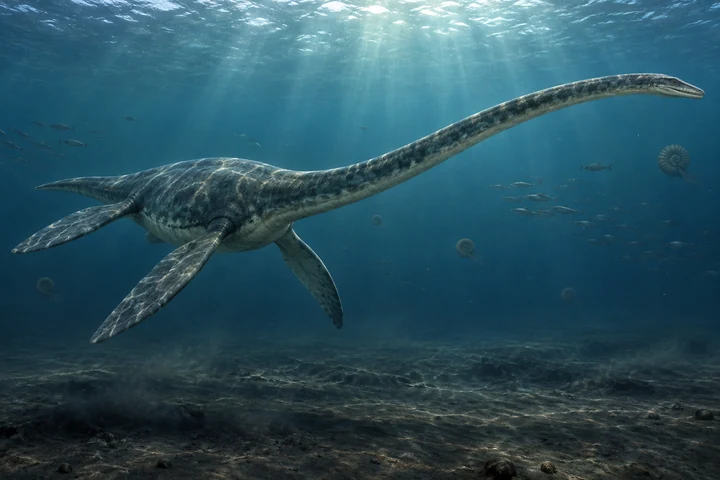
Marine reptile
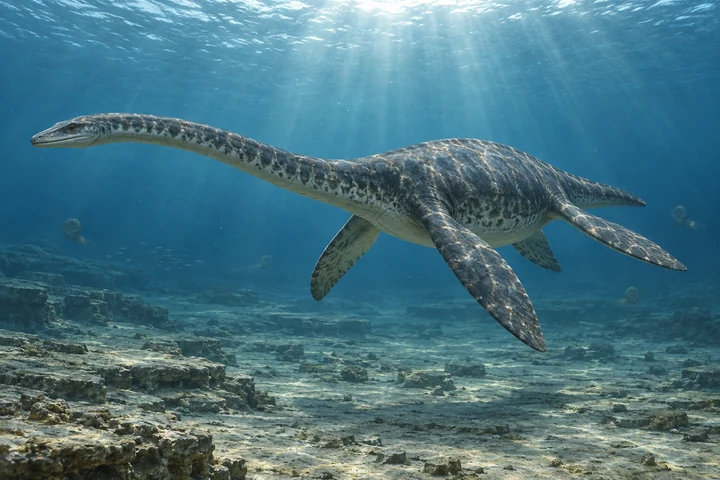
Plesiosaurus was an Early Jurassic marine reptile with a small head, a long neck and four flippers. Mary Anning found a nearly complete skeleton.

Ichthyosaurus somersetensis
Marine reptile
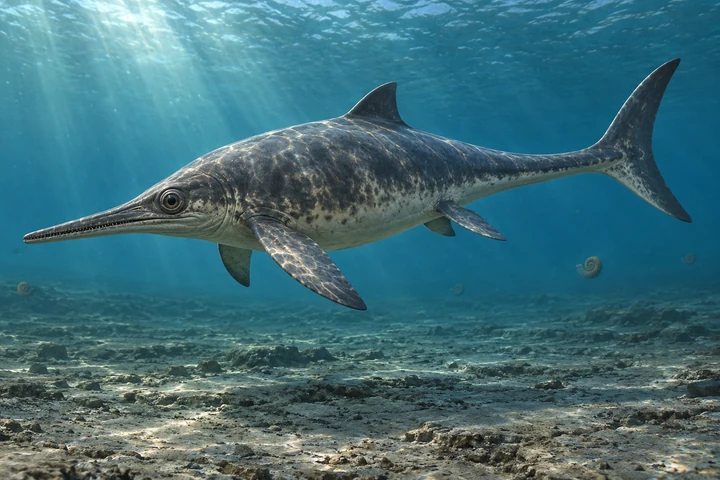
Ichthyosaurus was a streamlined marine reptile. A Somerset specimen of I. somersetensis preserves an embryo, providing direct evidence of live birth.

Elasmosaurus platyurus
Marine reptile
Elasmosaurus platyurus was a long-necked marine reptile from Kansas. Re-examination of its type skeleton identified seventy-two neck vertebrae.

Liopleurodon ferox
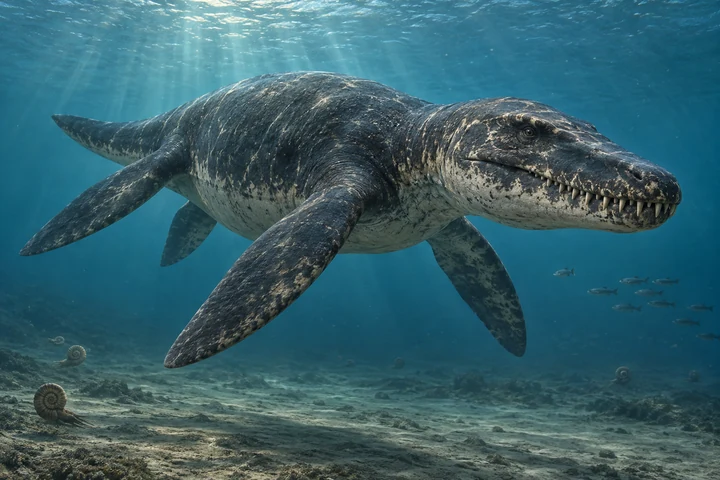
Marine reptile
Liopleurodon ferox was a large-headed pliosaur from Middle Jurassic European seas. Modern size models separate confidently identified fossils from giant composite reconstructions.

Dunkleosteus terrelli
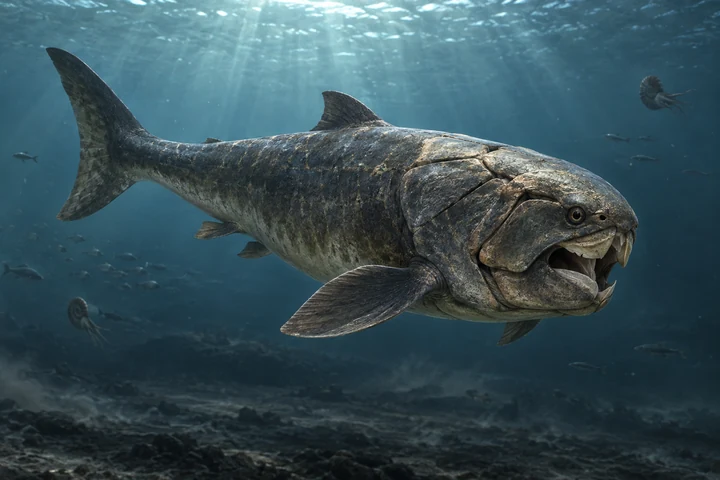
Prehistoric fish
Dunkleosteus terrelli was an armored Devonian fish from Ohio. Bony jaw blades and preserved armor constrain its reconstruction, while much of the tail remains unknown.

Archelon ischyros
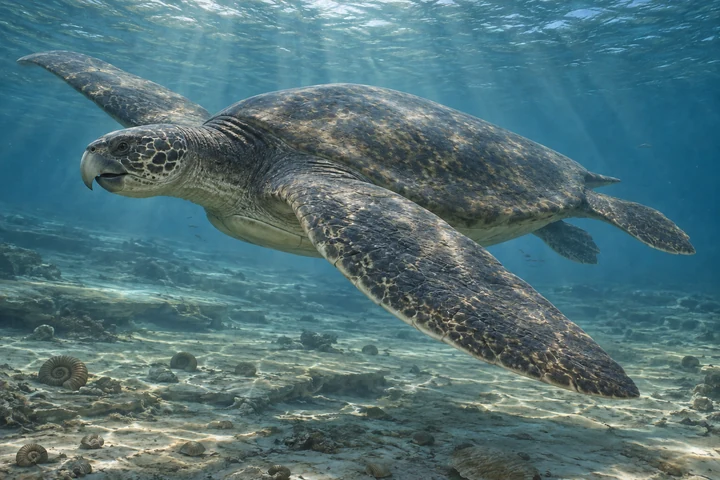
Marine turtle
Archelon ischyros was a giant marine turtle with powerful front flippers and a reduced bony shell. Its exact diet and nesting record remain unresolved.

Nothronychus mckinleyi and N. graffami
Dinosaur
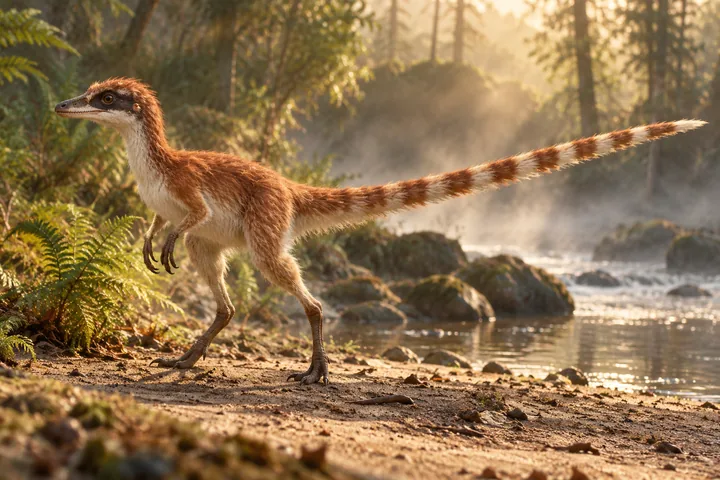
Nothronychus was a therizinosaur with a small head, long neck, broad abdomen and impressive hand claws.
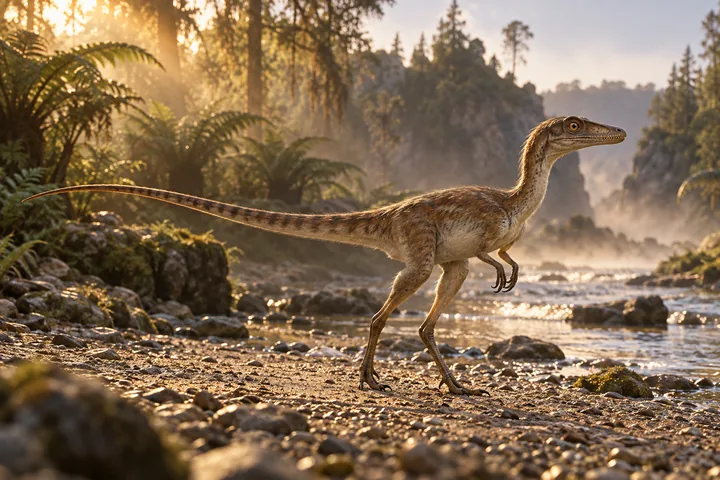
Rhabdodon priscus and R. septimanicus
Dinosaur
Rhabdodon was a European ornithopod whose ridged teeth helped process plant material.

Leaellynasaura amicagraphica
Dinosaur
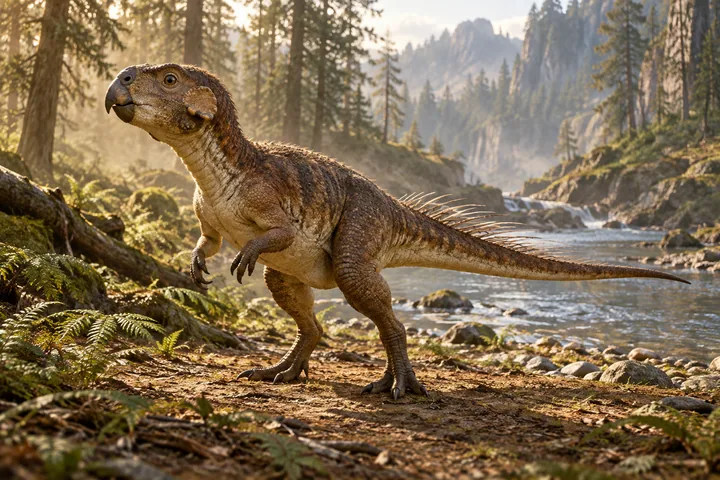
Leaellynasaura was a small plant-eating dinosaur from the high-latitude forests of Cretaceous Australia.
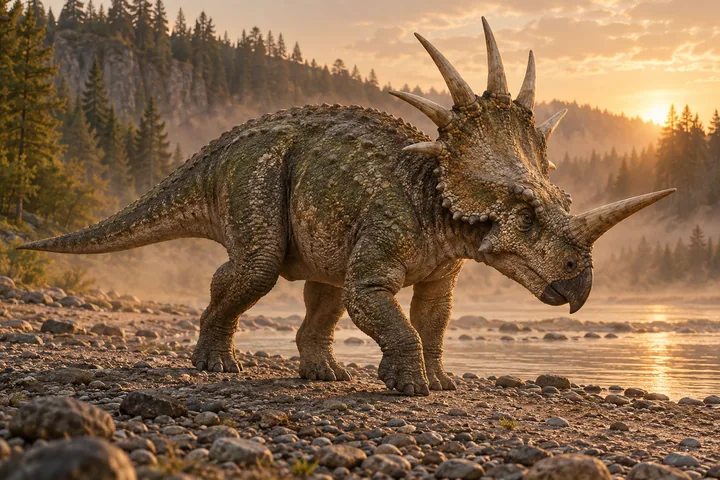
Muttaburrasaurus langdoni
Dinosaur
Muttaburrasaurus was a large ornithopod with a distinctive rounded muzzle; new research reveals front teeth and complex snout chambers.

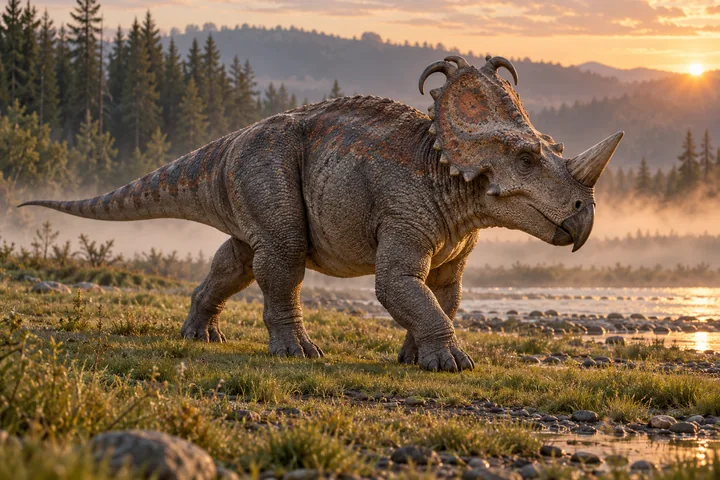
Diamantinasaurus matildae
Dinosaur
Diamantinasaurus was a heavy-bodied Australian sauropod, now known from a skull as well as limb and body bones.

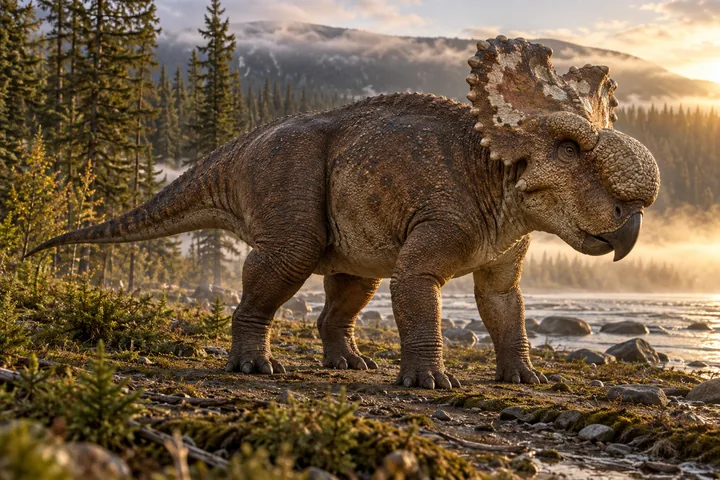
Yi qi
Dinosaur
Yi was a small feathered dinosaur with wrist-supported wing membranes, a different construction from a bird’s feathered wings.
Ambopteryx longibrachium
Dinosaur
Ambopteryx was a small feathered dinosaur with membranous wings, a shortened tail and preserved clues to an animal meal.
Try another name or explore a different period.