Body length
Not establishedNot established here
No adult body-length interval is adopted from the immature holotype. [D4]
EXHIBIT 294
Nipponosaurus sachalinensis
Dinosaur
A plant-eating hadrosaur from southern Sakhalin whose name-bearing skeleton was still growing. [1]
TWO WAYS TO PICTURE THE PAST
Compare the evidence with the familiar movie image. The illustrations are not to a shared scale.
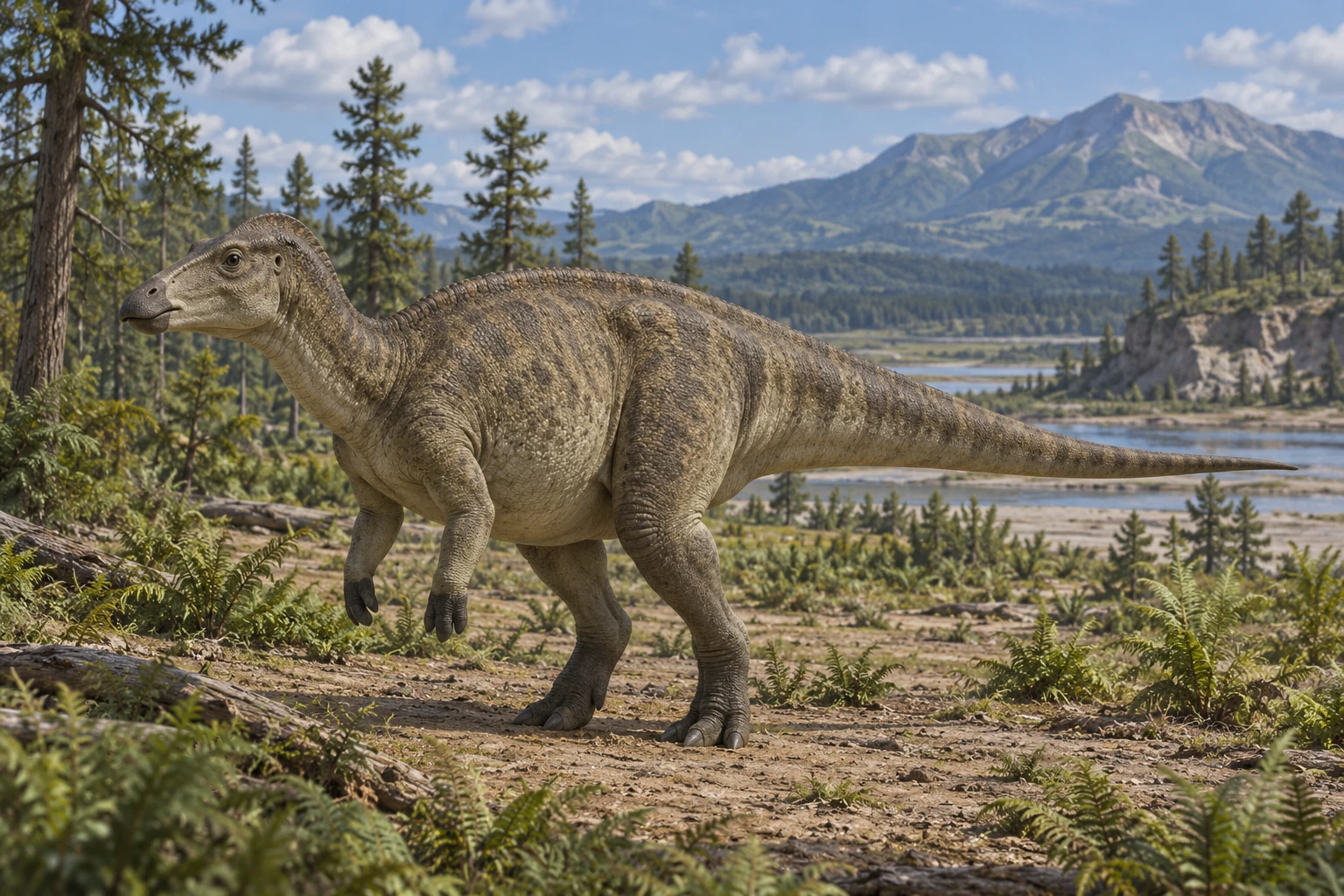
An illustrative reconstruction. Compare its anatomy with the evidence and limitations in the dossier. [3]
Source-informed reconstruction. Appearance evidence [3]. Original illustration; missing anatomy, coloration and scenery include interpretation.
Fossils constrain this life reconstruction. Missing anatomy, coloration and the environmental scene include interpretation; the dossier explains the evidence limits.
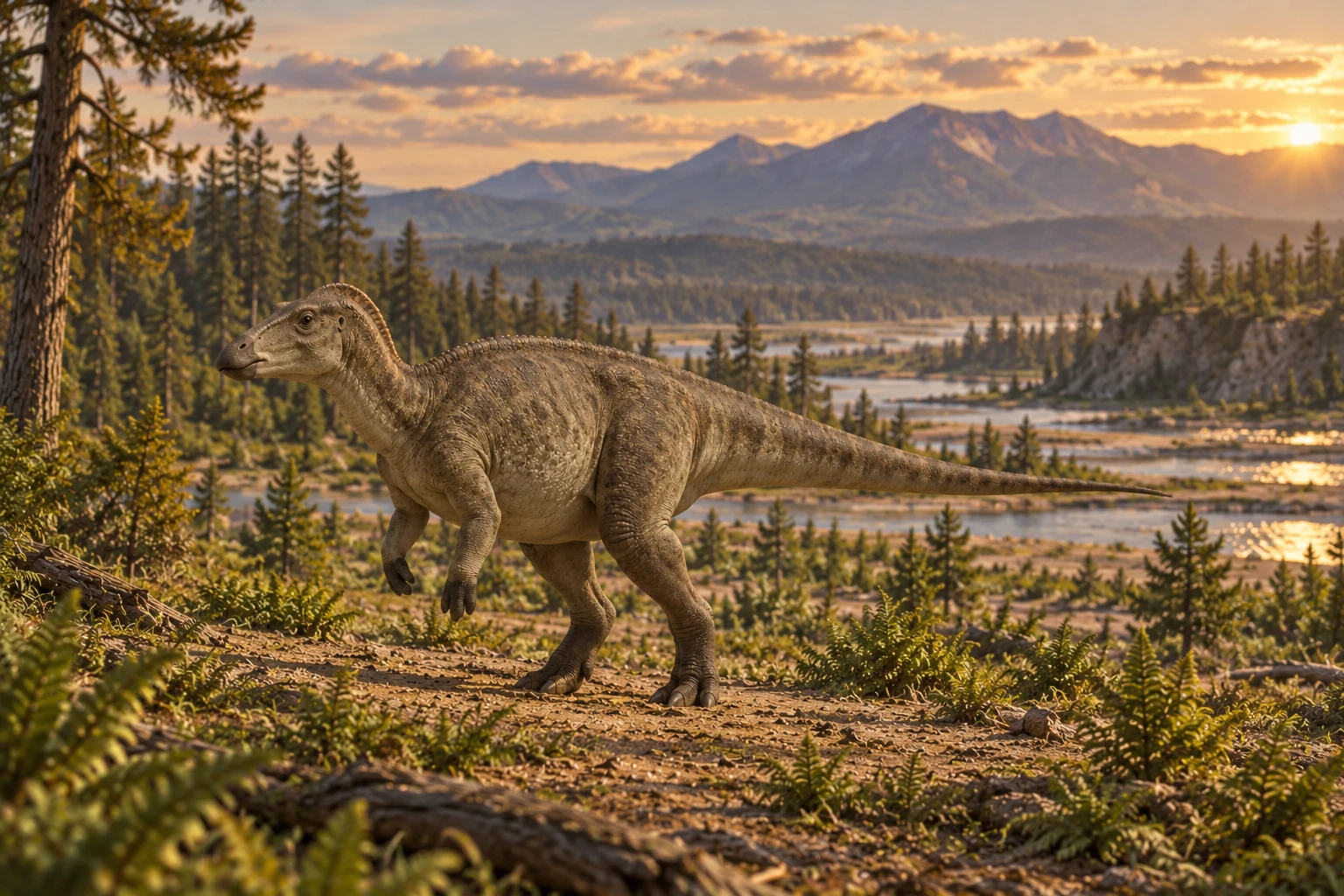
An illustrative reconstruction. Compare its anatomy with the evidence and limitations in the dossier. Lighting, coloration and scenery are artistic choices. This image does not document a fossil locality or behavior.
Original artwork · artistic interpretation.
Scientific view: source-informed reconstruction, credited paleoart or specimen-based imagery. Movie-style view: Original artistic interpretation. Reconstructions involve uncertainty.
MEET THE ANIMAL
Nipponosaurus was a plant-eating dinosaur from southern Sakhalin, an island now in Russia. Its fossils were discovered in 1934 and named in 1936. The specimen became important in the early history of dinosaur research in Japan. A mounted museum skeleton helps visitors picture the animal, while the original bones remain evidence for research. [D2]
The name-bearing fossil was young. Researchers examined thin sections of a thighbone, rib and tail-support bone, looking for the way bone tissue had grown. Growth marks and changing blood-vessel patterns showed that the animal had not reached sexual maturity. Its skeleton therefore cannot simply be used as the size or shape of every fully grown adult. [D1]
Young animals can look different from adults, which once raised doubts about this dinosaur’s identity. A later study compared features that remain recognizable through growth, including a shelf on the lower jaw and a relatively short forearm bone. Those features supported a separate genus. The result shows why a dinosaur’s age matters when scientists compare fossils. [D3]
PREHISTORIC ANIMAL DOSSIER
The animal, the evidence, and the questions still open.
Bone histology distinguishes juvenile growth from adult anatomy and preserves evidence for a separate taxon. [D1]
Profile scope: This exhibit concerns Nipponosaurus sachalinensis, known from an immature holotype in southern Sakhalin. [D4]
Source supported identifies a description documented by the cited source. Inferred marks a reconstruction or functional estimate. Debated marks competing interpretations. Not established means the sources reviewed for this dossier do not support a firm conclusion; it does not mean a behavior never occurred.
A size reference is an estimate, not a population range. Nesting evidence does not by itself establish courtship, mate choice, or lifelong pairing.
Not established here
No adult body-length interval is adopted from the immature holotype. [D4]
Not established here
Reviewed juvenile evidence supplies no adopted adult body-mass model. [D4]
Plant-eating hadrosaur.
Herbivory is inferred; specific food plants remain unknown. [D1]
Late Cretaceous southern Sakhalin terrestrial setting.
A specific living microhabitat is not established in the inspected evidence. [D1]
Terrestrial hadrosaur movement inferred.
Short forelimbs are described; exact gait and speed remain unestablished. [D3]
Mandibular shelf and relatively short ulna.
Diagnostic traits need separation from features that change during growth. [D3]
Holotype had not reached sexual maturity.
Bone growth evidence does not identify eggs, a nest or parental care. [D1]
Not established here
No taxon-specific display or sex difference established in the inspected descriptions. [D4]
Not established here
A single name-bearing skeleton cannot demonstrate a herd or family group. [D2]
Sources and inspection notes for the claims in this profile.
THE STORY IN THE FOSSILS
Growth-stage comparisons can preserve a valid diagnosis even when the only known skeleton is immature. [3]
The museum distinguishes its displayed reconstruction from the original research specimen. [2]
The dossier identifies the scope of each reference estimate. A mount, an individual fossil and a species-wide adult range are different measurements. Comparison metrics remain unavailable where adult scope has not been established. Unknown does not mean zero.
Sources support the stated claims and scopes. Refer to the evidence notes for uncertainty.
KEEP EXPLORING
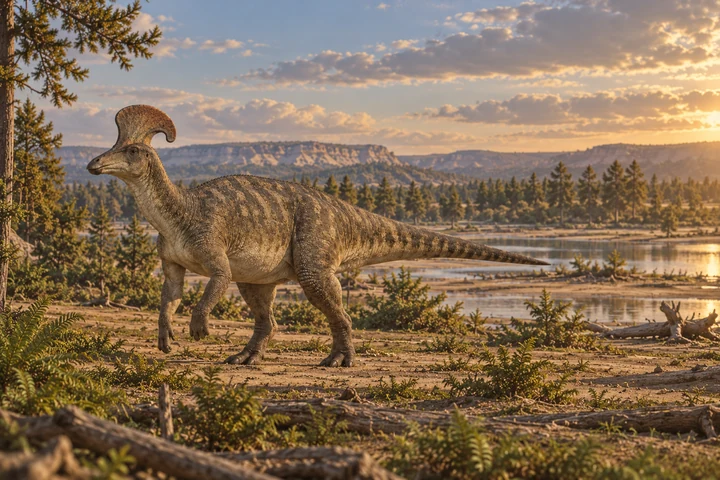
Tlatolophus galorum
Dinosaur
A Mexican plant-eating hadrosaur with a broad, high crest shaped like an inverted comma.
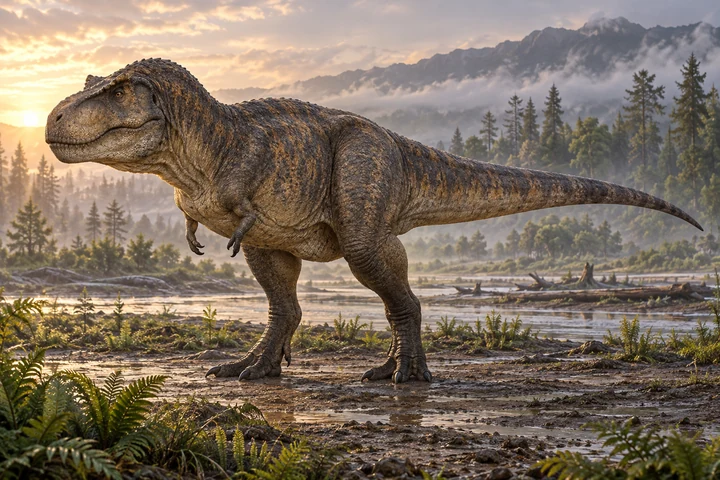
Tyrannosaurus rex
Tyrannosaurus rex was a large meat-eating dinosaur from the final part of the Cretaceous in western North America. Fossil teeth, bite marks and skeletons reveal a powerful animal whose behaviour still invites questions.
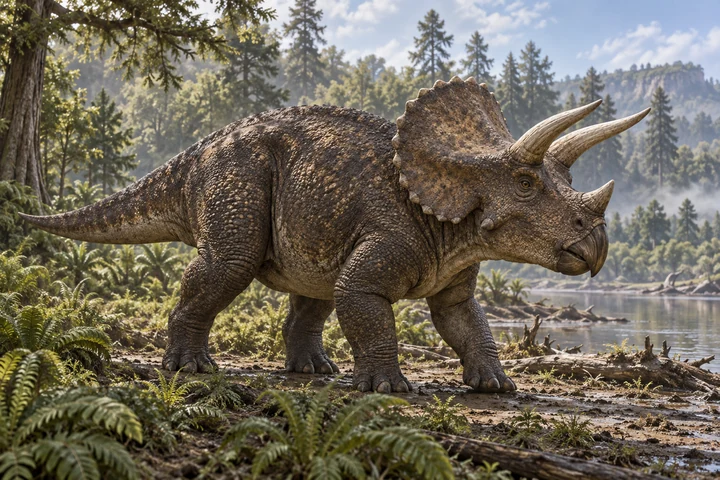
Triceratops horridus
Triceratops horridus was a horned dinosaur of the Late Cretaceous. Skin impressions attributed to this species reveal scales, while skulls and their positions in rock layers help researchers distinguish it from the later Triceratops prorsus.