Body length
InferredIndividual comparative estimate: about 2 m.
MPC-D 107/15 estimate uses another oviraptorid; no adult species range. [D2]
EXHIBIT 297
Nemegtomaia barsboldi
Dinosaur
A toothless, crested oviraptorid from Mongolia with an individual preserved over eggs in a brooding posture. [2]
TWO WAYS TO PICTURE THE PAST
Compare the evidence with the familiar movie image. The illustrations are not to a shared scale.
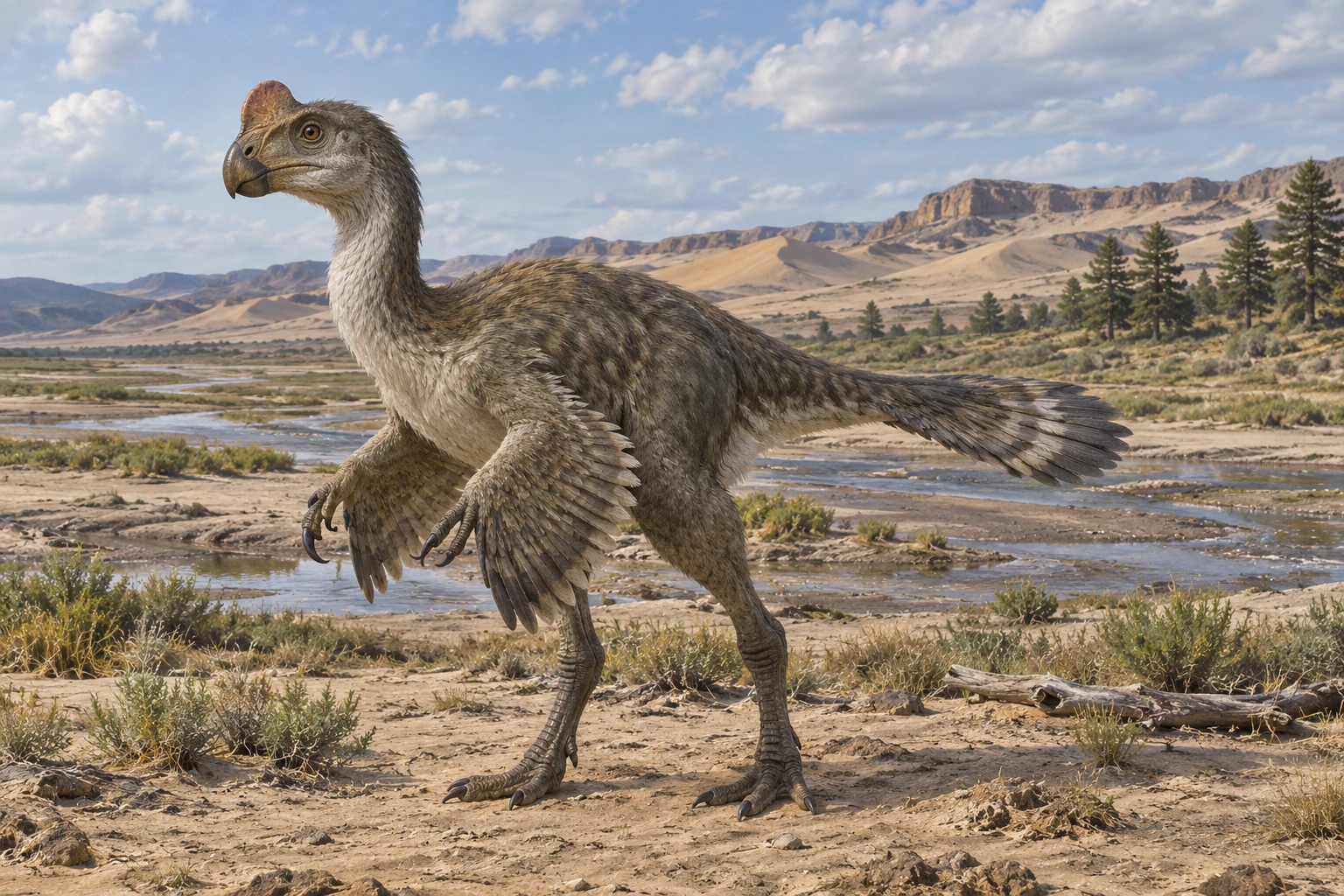
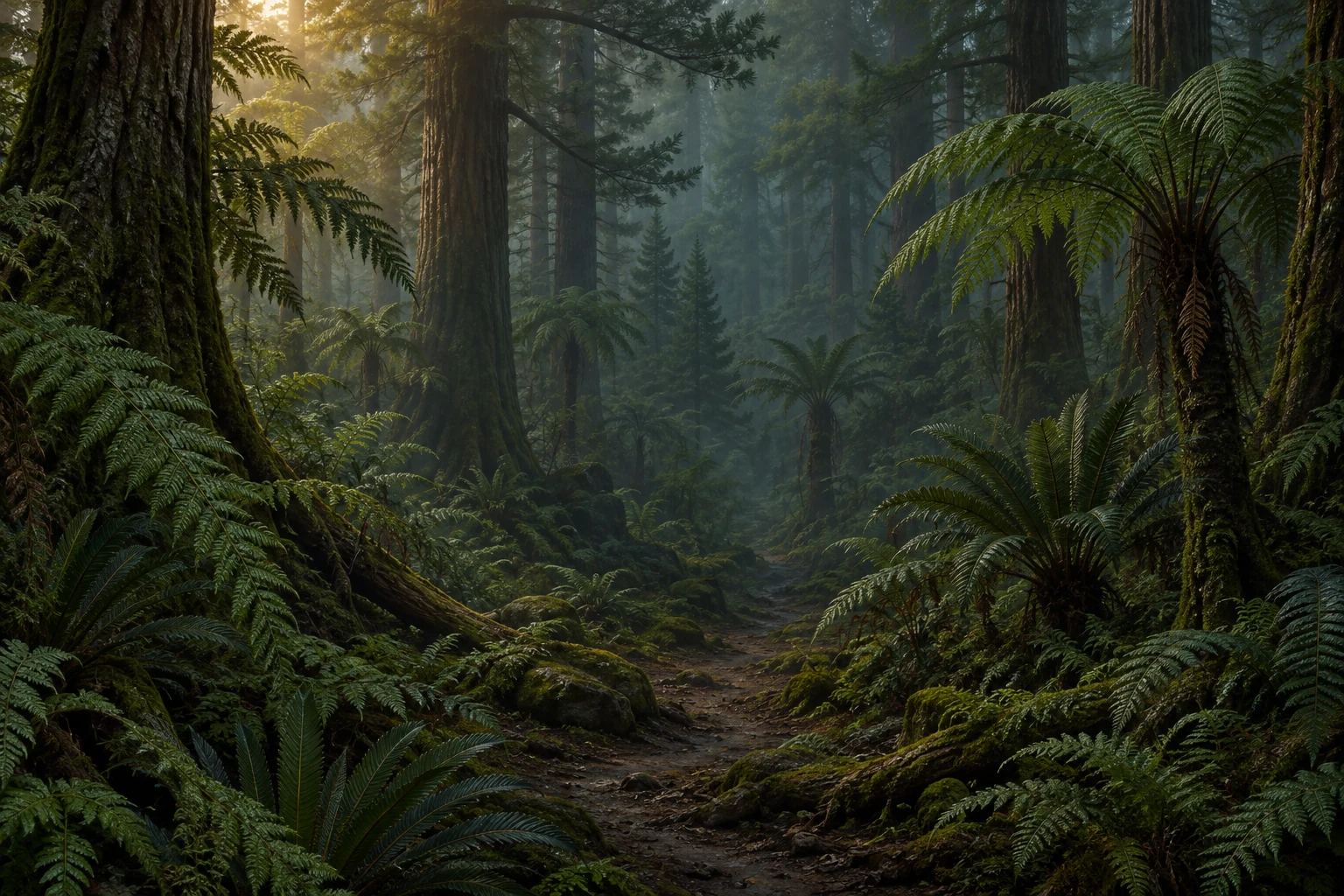
An illustrative reconstruction. Compare its anatomy with the evidence and limitations in the dossier. [1]
Source-informed reconstruction. Appearance evidence [1]. Original illustration; missing anatomy, coloration and scenery include interpretation.
Fossils constrain this life reconstruction. Missing anatomy, coloration and the environmental scene include interpretation; the dossier explains the evidence limits.
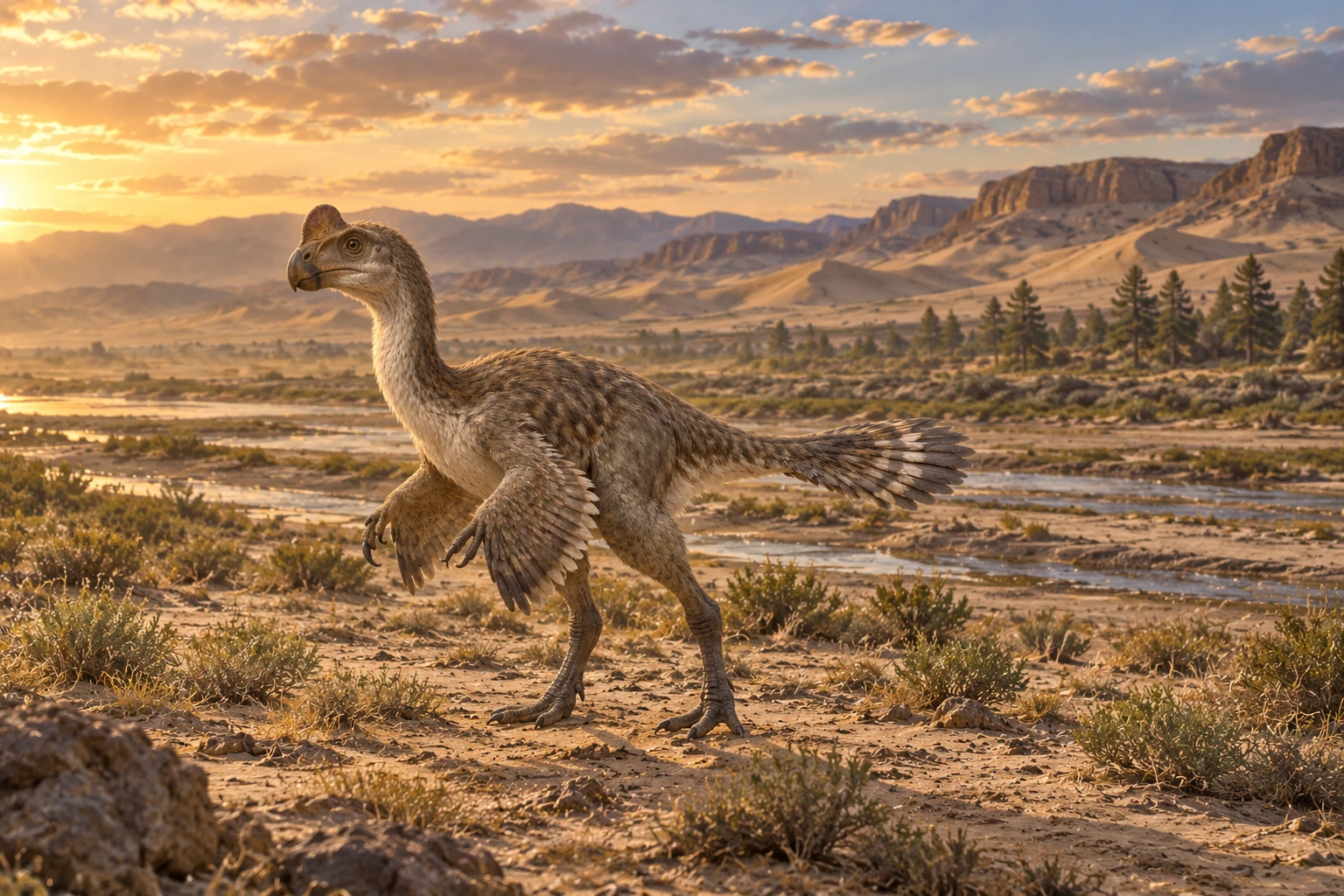
An illustrative reconstruction. Compare its anatomy with the evidence and limitations in the dossier. Lighting, coloration and scenery are artistic choices. This image does not document a fossil locality or behavior.
Original artwork · artistic interpretation.
Scientific view: source-informed reconstruction, credited paleoart or specimen-based imagery. Movie-style view: Original artistic interpretation. Reconstructions involve uncertainty.
MEET THE ANIMAL
Nemegtomaia was a small oviraptorid dinosaur from Late Cretaceous Mongolia. Oviraptorids are birdlike theropods with unusually short skulls. Its deep, toothless jaws formed a strong beak, and a bony crest rose above the snout. The first described skeleton was incomplete, so a complete body picture still needs comparisons with related dinosaurs. Its exact food choices remain uncertain. [D1]
Its name changed for a practical reason. The original genus name, Nemegtia, had already been used for a tiny freshwater crustacean. Researchers replaced the dinosaur name with Nemegtomaia. This is one dinosaur with two historical names, rather than two species to count. Tracking those changes prevents the same fossil animal from being counted twice. [D3]
One later individual was found above eggs, with its arms arranged around the nest. That posture supports the interpretation that it attended or brooded the eggs. It does not identify the parent as a mother, show every step of nesting or prove that many nests formed a colony. The fossil is valuable precisely because it preserves evidence while leaving those questions open. [D2]
PREHISTORIC ANIMAL DOSSIER
The animal, the evidence, and the questions still open.
The holotype preserves a short, deep, toothless skull and an incomplete skeleton. [D1]
Profile scope: This exhibit concerns Nemegtomaia barsboldi, originally named Nemegtia barsboldi before genus-name preoccupation was recognized. [D3]
Source supported identifies a description documented by the cited source. Inferred marks a reconstruction or functional estimate. Debated marks competing interpretations. Not established means the sources reviewed for this dossier do not support a firm conclusion; it does not mean a behavior never occurred.
A size reference is an estimate, not a population range. Nesting evidence does not by itself establish courtship, mate choice, or lifelong pairing.
Individual comparative estimate: about 2 m.
MPC-D 107/15 estimate uses another oviraptorid; no adult species range. [D2]
Individual comparative estimate: about 40 kg.
Indirect estimate for MPC-D 107/15, not directly weighed fossil or species range. [D2]
Not established here
Toothless jaws alone do not establish a taxon-specific herbivorous or omnivorous menu. [D1]
Arid and river settings coexisted.
Interfingering aeolian/fluvial deposits do not mean one exclusive habitat. [D2]
Bipedal terrestrial movement inferred.
Missing limb parts require comparisons; no speed established. [D1]
Short, deep toothless skull with a crest.
Restored plumage is comparative; colors are unknown. [D1]
Skeleton associated with eggs in brooding posture.
Nest association supports attendance; parent’s sex is unestablished. [D2]
Not established here
Skull crest does not establish a mating ritual or male/female difference. [D1]
Not established here
One attended nest does not establish colonial nesting or flock structure. [D2]
Sources and inspection notes for the claims in this profile.
THE STORY IN THE FOSSILS
The name-bearing skull distinguished the animal before its egg-associated specimen was found. [1]
The dossier identifies the scope of each reference estimate. A mount, an individual fossil and a species-wide adult range are different measurements. Comparison metrics remain unavailable where adult scope has not been established. Unknown does not mean zero.
Sources support the stated claims and scopes. Refer to the evidence notes for uncertainty.
KEEP EXPLORING
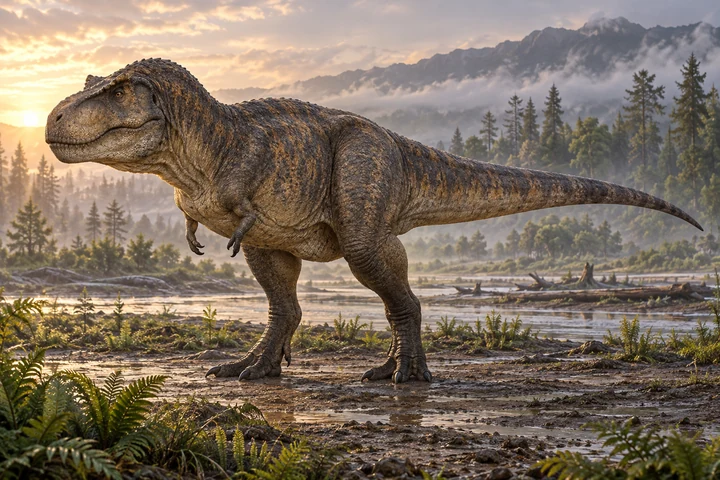
Tyrannosaurus rex
Tyrannosaurus rex was a large meat-eating dinosaur from the final part of the Cretaceous in western North America. Fossil teeth, bite marks and skeletons reveal a powerful animal whose behaviour still invites questions.
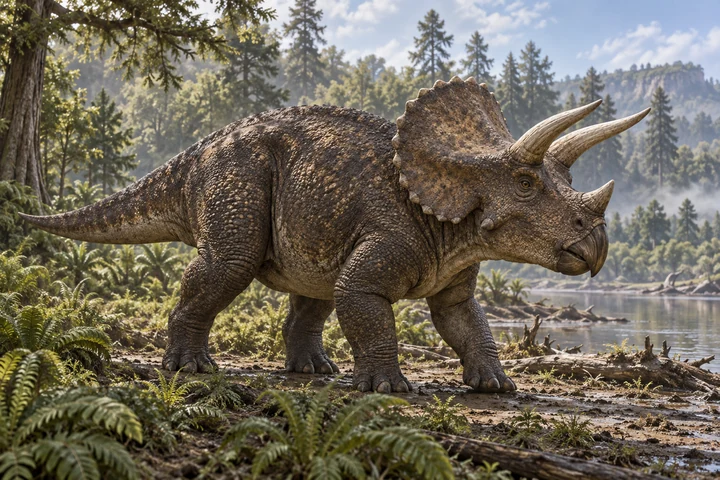
Triceratops horridus
Triceratops horridus was a horned dinosaur of the Late Cretaceous. Skin impressions attributed to this species reveal scales, while skulls and their positions in rock layers help researchers distinguish it from the later Triceratops prorsus.
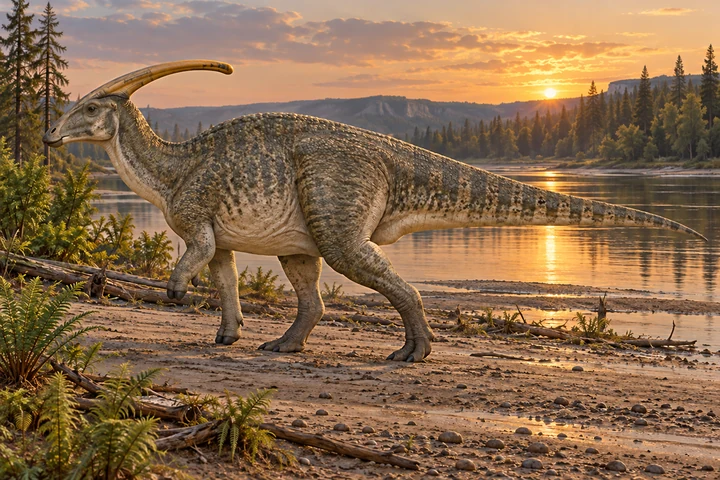
Parasaurolophus walkeri
Parasaurolophus walkeri was a crested duck-billed dinosaur from Late Cretaceous Alberta. Its famous Royal Ontario Museum skeleton preserves both an elongated tubular crest and healed injuries.