EXPLORE PREHISTORY 220 prehistoric animal profiles · Scientific & movie-style image galleries

EXHIBIT 43

Borealopelta

Borealopelta markmitchelli

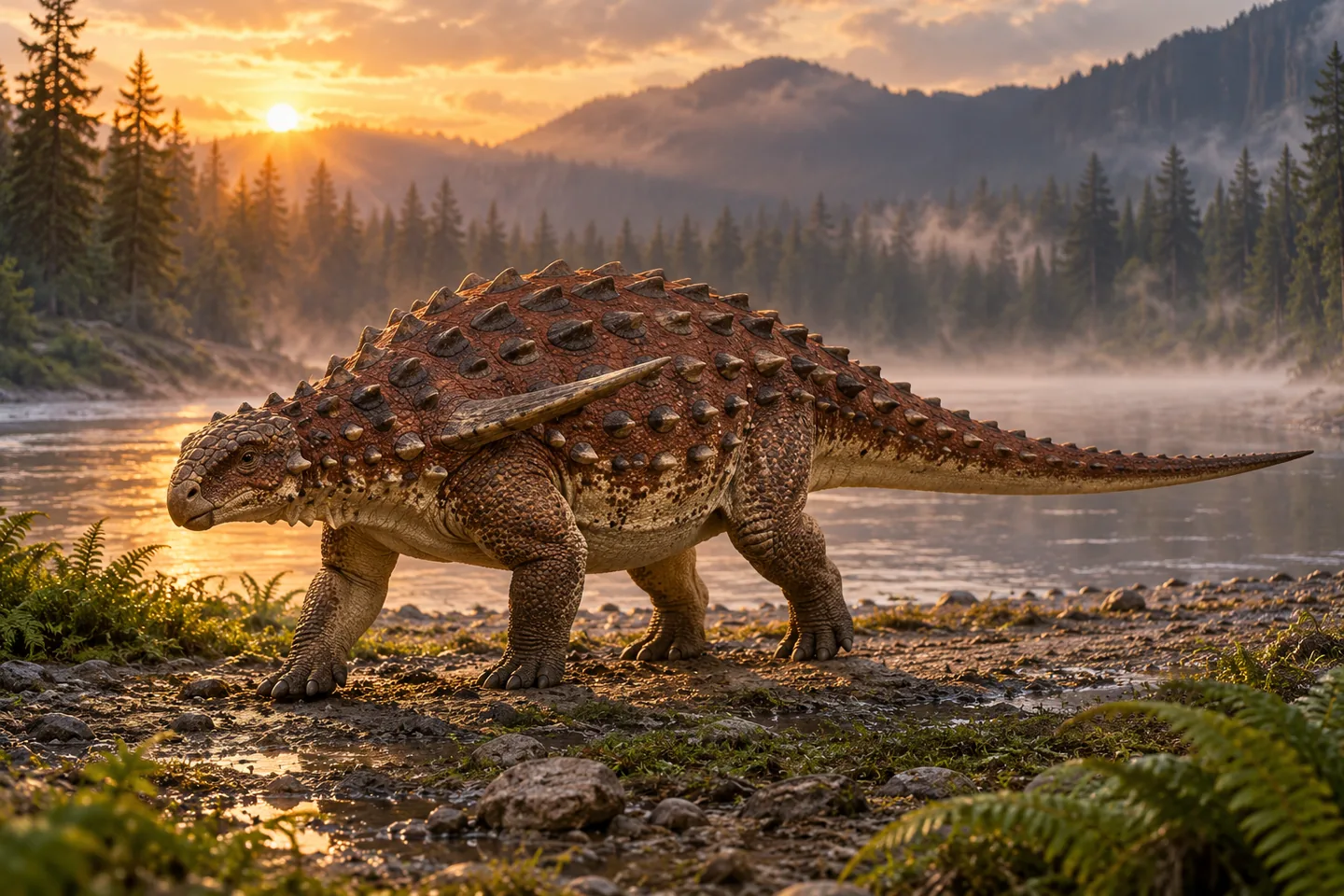
Preserved skin, armour and a fern-rich last meal.

Evidence profile
PERIODEarly Cretaceous[2]
DIETHerbivoreEvidence-informed classification [2]
TOTAL LENGTHNot established hereComparable estimate unavailable
FOSSILS FOUNDAlberta, Canada[1]
CompareRead the dossierView the sources

MEET THE ANIMAL

Meet Borealopelta

Borealopelta markmitchelli was an armored plant eater from Early Cretaceous Alberta. One unusually preserved individual provides an exceptional view of its skin, bones and final meal. Its name means northern shield and honors the technician who spent years uncovering it. The marine rock around the specimen records burial after the animal was washed out to sea, rather than an ocean-dwelling lifestyle. [S1]

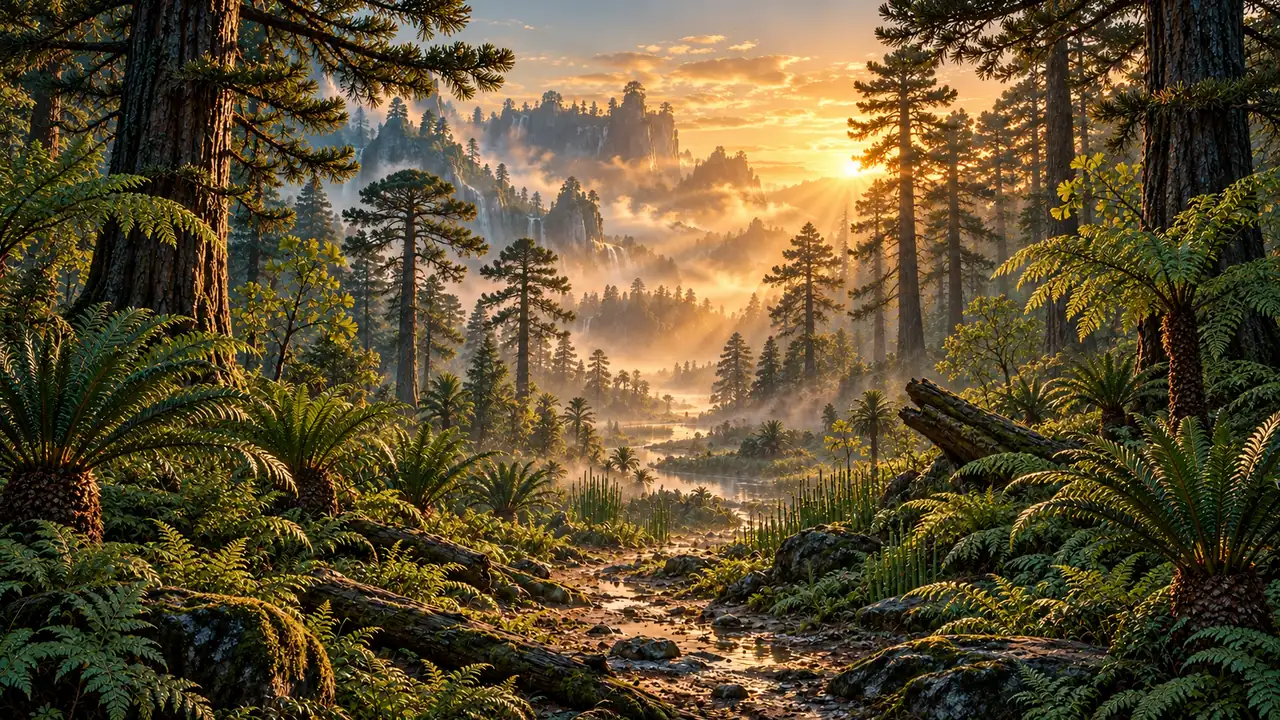
The stomach contains chewed fern leaves, along with stems and twigs. Researchers compared these fragments with plants known from the region and inferred that this animal selected particular ferns rather than eating all available vegetation equally. It swallowed stones interpreted as digestive aids. Such detailed evidence describes this individual’s last meal; it should not become an exclusive menu for the whole species. [S1]

Burned plant fragments suggest that the dinosaur fed in an area recovering from a fire, where fresh ferns could grow. Plant evidence also helped narrow the season of its death and burial. These clues connect feeding with an ancient landscape, while leaving a longer lifetime of movements and interactions uncertain. [S1]

Overview sources
  1. Western Canadian scientists discover what an armoured dinosaur ate for its last mealUniversity of Saskatchewan · Accessed 2026-10-04Inspected: page

PREHISTORIC ANIMAL DOSSIER

A life in profile.

The animal, the evidence, and the questions still open.

Borealopelta preserves three-dimensional armour, scaly skin and a fern-rich final meal. Chemical evidence has been interpreted as reddish-brown countershading, while its marine burial records transport after death.

Profile scope: Species: Borealopelta markmitchelli; most evidence comes from one exceptionally preserved individual.

Time
Early Cretaceous
Fossil locations in this exhibit
Alberta, Canada
How to read the evidence

Source supported identifies a description documented by the cited source. Inferred marks a reconstruction or functional estimate. Debated marks competing interpretations. Not established means the sources reviewed for this dossier do not support a firm conclusion; it does not mean a behavior never occurred.

A size reference is an estimate, not a population range. Nesting evidence does not by itself establish courtship, mate choice, or lifelong pairing.

Length

Inferred

About 5.5 m (specimen reconstruction)

Bristol describes an 18-foot-long animal, approximately 5.5 m. The museum notes preservation from snout to hips; total length is a reconstruction, not a complete fossil-body measurement. [D1] [D3]

Mass

Inferred

About 1,300 kg (specimen estimate)

Bristol reports a 1.3-tonne reconstruction. The summary does not establish an adult species range or specify this individual's maturity. [D1]

Diet and feeding

Source supported

Ferns dominate the preserved final meal

Fern leaf fragments and sporangia dominate the stomach contents, with small cycad and conifer contributions. This is one meal, not a lifetime or species-wide diet. [D2]

Habitat and setting

Inferred

Terrestrial vegetation; burned patch inferred

Charcoal with ferns suggests feeding in a recently burned area. Burial at sea does not establish a marine lifestyle. [D2] [D1]

Movement

Inferred

Four-legged terrestrial reconstruction

Quadrupedal posture follows nodosaur skeletal reconstruction. The reviewed evidence does not establish travel speed or swimming behavior. [D1]

Distinctive anatomy

Source supported

Three-dimensional armour and scaly skin

Skin and armour retain exceptional surface detail. Reddish-brown colour and a lighter underside are chemical interpretations, rather than directly preserved living colours. [D3] [D1]

Reproduction & life together

Reproduction and care

Not established

Not established here

The reviewed sources do not establish nest structure, incubation or parental care for Borealopelta markmitchelli.

Courtship and mating

Not established

Not established here

The reviewed sources do not establish a courtship sequence or mating system for Borealopelta markmitchelli.

Social behavior

Not established

Not established here

The reviewed sources do not establish usual group size or lasting social organization for Borealopelta markmitchelli.

Dossier research & sources

Sources and inspection notes for the claims in this profile.

  1. In the age of the dinosaur size really didn’t matter when it came to dinnerUniversity of Bristol · Accessed 2026-10-02B. markmitchelli holotype; body reconstruction, pigment interpretation and marine transport. · Inspected: page
  2. An armored dinosaur’s last supperBrandon University; Kalyniuk and colleagues (2020) · Accessed 2026-10-02Researchers' summary of stomach-content analysis; one individual's final meal. · Inspected: page
  3. Grounds for Discovery — Specimen Fact SheetRoyal Tyrrell Museum of Palaeontology · Accessed 2026-10-02B. markmitchelli specimen preservation; complete snout-to-hips portion. · Inspected: page

THE STORY IN THE FOSSILS

Meet Borealopelta.

Found at an Alberta mine in 2011, Borealopelta preserves a three-dimensional armoured body and scaly skin. Chemical analysis led researchers to infer reddish-brown pigmentation and a lighter underside. They interpreted this countershading as camouflage, suggesting that armour alone did not remove pressure from predators. [1]

Microscope slides of the stomach contents reveal fern leaf fragments and reproductive structures, with smaller contributions from other plants. Charcoal occurs alongside the meal. Researchers interpreted this combination as feeding in a recently burned landscape, but it records this individual’s final food rather than every meal the species ate. [2]
A note on scale and time

We have not established a comparable adult total-length estimate for this taxon in this draft. Specimen measurements in the text describe those individuals. The cited dates are approximately 110 million years ago. Approximate reference age, represented by equal endpoints; not a demonstrated full temporal range. Unknown does not mean zero.

Sources & editorial notes

Sources and evidence notes for this exhibit.

  1. In the age of the dinosaur size really didn’t matter when it came to dinnerUniversity of Bristol · Accessed 2026-10-02Research release issued 3 August 2017, paragraphs on preserved skin, chemical pigmentation inference, three-dimensional preservation and 2011 Alberta discovery; linked Current Biology paper. Colour, countershading and predation pressure are interpretations; 18 feet and 1.3 tonnes are specimen estimates.
  2. An armored dinosaur’s last supperBrandon University, Research Connection · Accessed 2026-10-02Both pages: Why this research is important; How this research was conducted; What the researchers found. Researchers' account of 110 Ma Early Cretaceous specimen, microscopic stomach study, 85% fern tissue and charcoal. One preserved meal, not a lifetime diet census.

FOLLOW YOUR CURIOSITY

Who will you meet next?

KEEP EXPLORING

More from the collection