EXPLORE PREHISTORY 220 prehistoric animal profiles · Scientific & movie-style image galleries

EXHIBIT 184

Megaraptor

Megaraptor namunhuaiquii

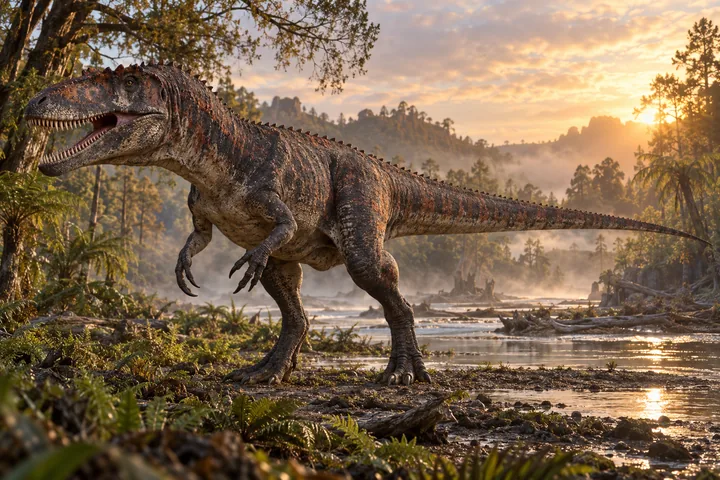
Megaraptor was a Patagonian predator with an enormous claw on its first finger. A juvenile preserves much of the known skull anatomy. [2]

Evidence profile
PERIODLate Cretaceous[2]
DIETCarnivoreEvidence and uncertainty in the dossier
TOTAL LENGTHSee the dossierEstimate scope matters
FOSSILS FOUNDArgentina[2]
CompareRead the dossierView the sources

MEET THE ANIMAL

Meet Megaraptor

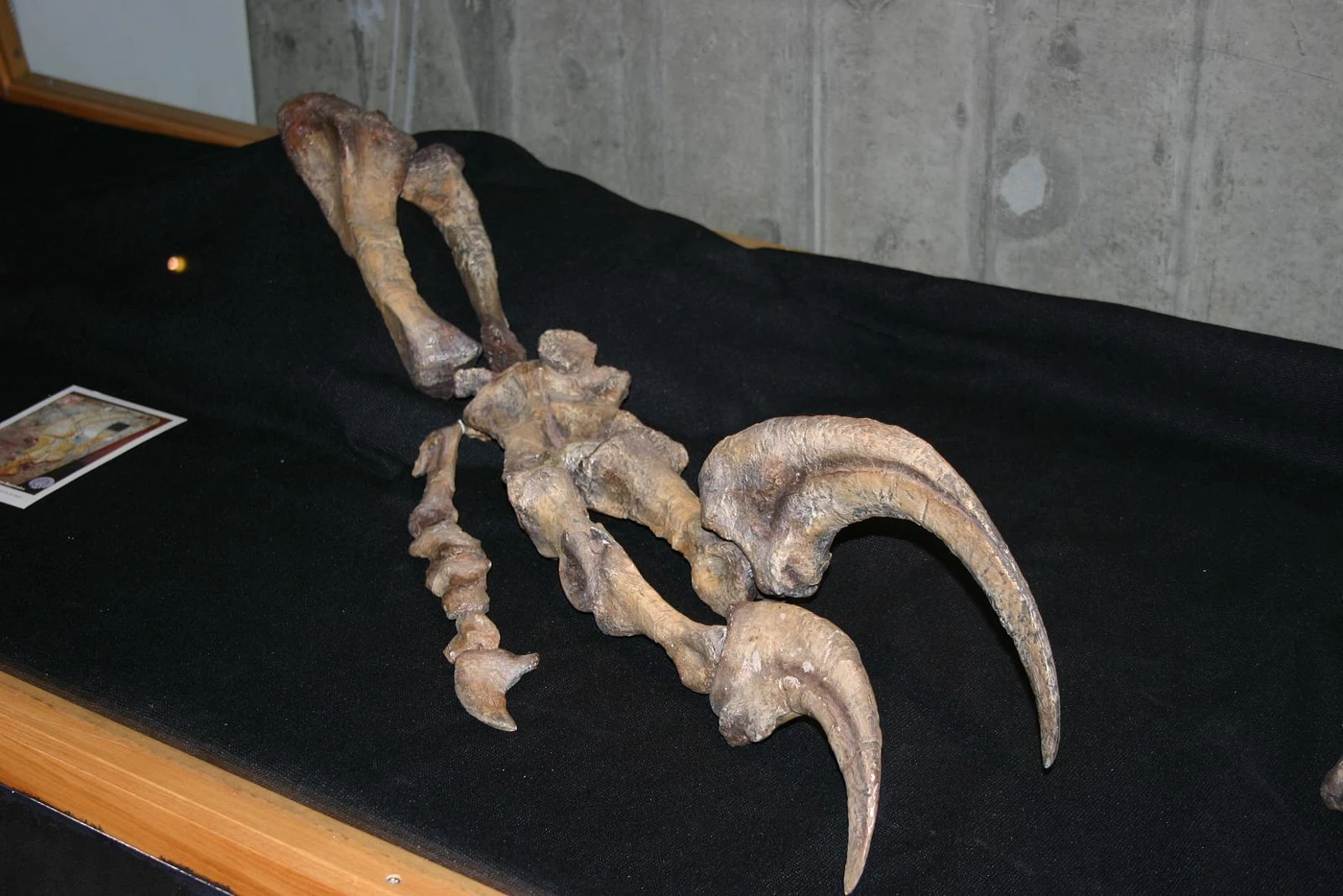
Megaraptor is famous for a huge curved claw, but that claw belonged to its hand. It was originally mistaken for a foot weapon. A later articulated hand, with its bones still arranged together, corrected the picture. This discovery is a good example of why even an impressive fossil can be misunderstood until more of its surrounding anatomy is found. [D1]

A young specimen from Argentina preserves parts of the skull and predatory teeth. It provides information about a juvenile, rather than a complete adult of maximum size. Reconstructions based on young and larger individuals must keep those growth stages separate. [D2]

Comparisons suggest that its three-fingered hand could grasp, with an especially large first claw. Using that hand to seize prey is a reasonable functional interpretation, but the bones do not show a hunt in progress. The distinction is useful: a skeleton can reveal what an animal was equipped to do without recording exactly how it behaved on every occasion. [D3]

PREHISTORIC ANIMAL DOSSIER

A life in profile.

The animal, the evidence, and the questions still open.

The celebrated claw was originally mistaken for a foot weapon. Articulated hand bones corrected that interpretation, while juvenile skull and growth studies provide a separate view of the animal. [D1]

Profile scope: Genus profile centered on M. namunhuaiquii. Named specimens differ in size, maturity and completeness; some later referrals remain conditional. [D4]

Time
Late Cretaceous
Fossil locations in this exhibit
Argentina
How to read the evidence

Source supported identifies a description documented by the cited source. Inferred marks a reconstruction or functional estimate. Debated marks competing interpretations. Not established means the sources reviewed for this dossier do not support a firm conclusion; it does not mean a behavior never occurred.

A size reference is an estimate, not a population range. Nesting evidence does not by itself establish courtship, mate choice, or lifelong pairing.

Body length

Inferred

About 3 m juvenile; historical 9–10 m type reconstruction

The 2014 study scales juvenile MUCPv 595 from Allosaurus proportions, then quotes the historical 9–10 m estimate for incomplete MCF-PVPH 79 from Novas (1998). These are different individuals and stages, not a species range or measured adult maximum. [D2]
Body mass

Inferred

About 1.04 tonnes; conditional specimen model

The 2025 comparison reports 1,036 kg for MUCPv 1353, probably referable to Megaraptor. This is a historical model for a referred individual, not a weighed animal or secure genus maximum. [D4]

Diet

Inferred

Carnivory inferred from skull and teeth

Juvenile MUCPv 595 preserves predatory dentition, including differing premaxillary and posterior tooth shapes. A particular prey species or hunting strategy is not established. [D2]

Habitat & fossil setting

Source supported

Turonian–Coniacian Portezuelo deposits

Reviewed specimens come from Neuquén, Argentina. The formation and mixed fossil assemblages provide a depositional setting rather than a precise territorial range. [D2]

Movement

Inferred

Bipedal theropod; grasping hand inferred

Comparative manual anatomy supports a three-fingered grasping apparatus with a disproportionately enlarged first claw. Its proposed use in seizing prey is a functional inference, not observed hunting. [D3]

Distinctive anatomy

Source supported

Giant first-finger claw, not a sickle-shaped foot claw

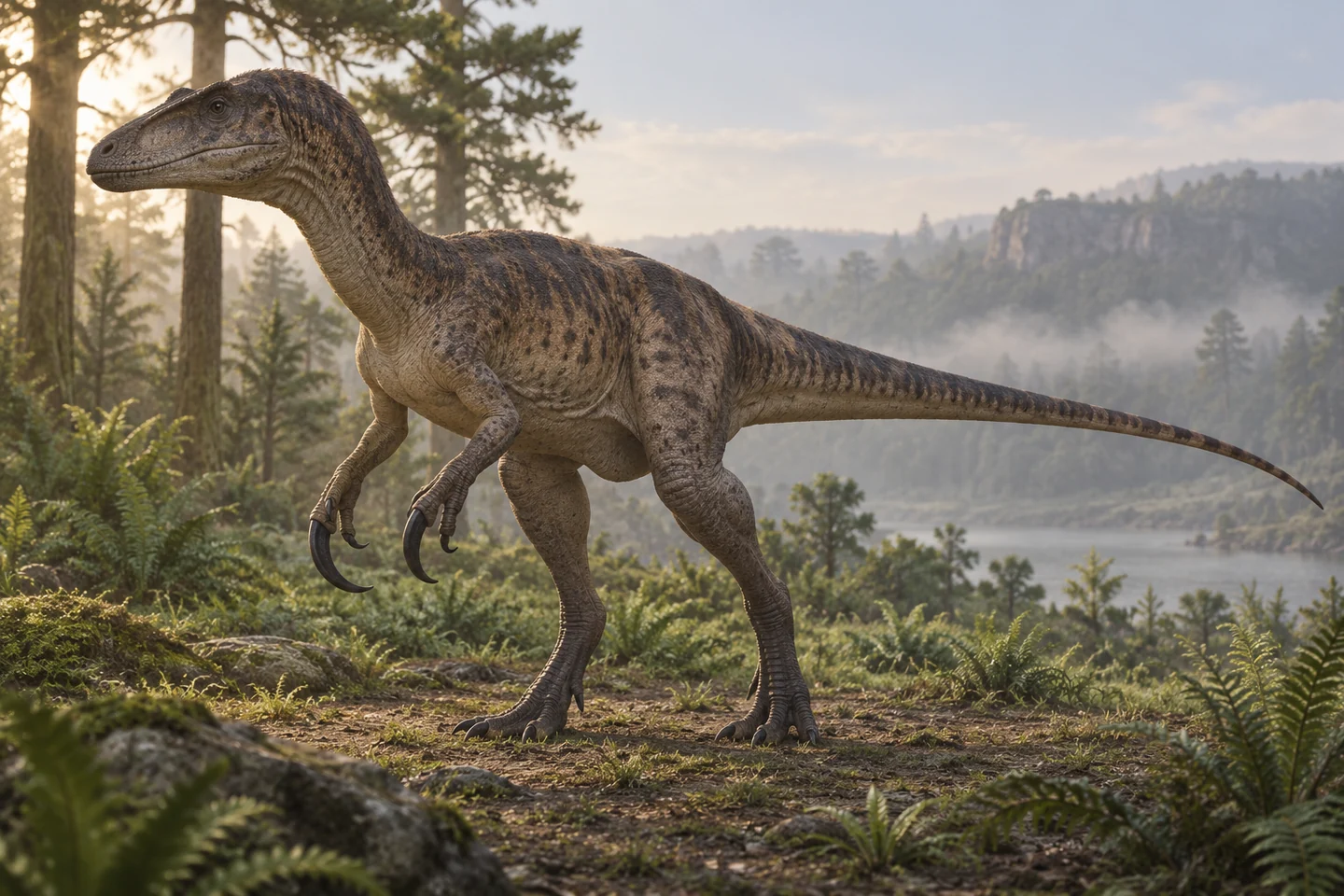
The articulated MUCPv 341 hand established the manual position of the large ungual. Restoring it as a dromaeosaur-like raised toe would misrepresent this evidence. [D1]

Reproduction & life together

Reproduction & nesting

Not established

Not established here

Eggshells occur in the mixed Futalognko quarry, but the 2004 account does not identify their producer as Megaraptor. No reviewed clutch or parental behavior is securely assigned. [D1]

Courtship & mating

Not established

Not established here

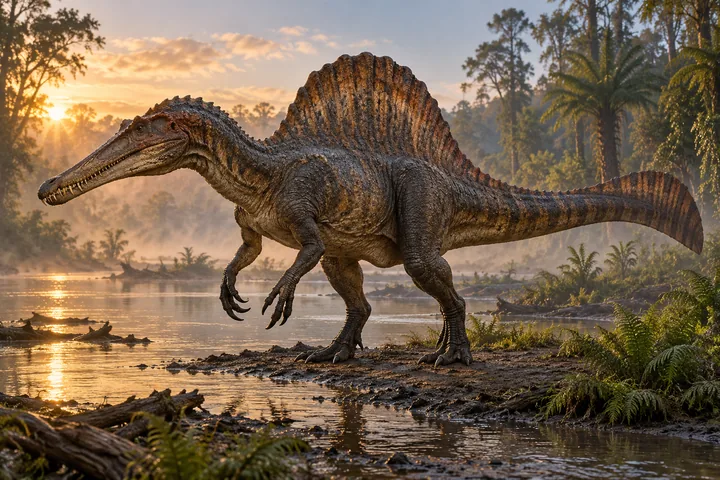
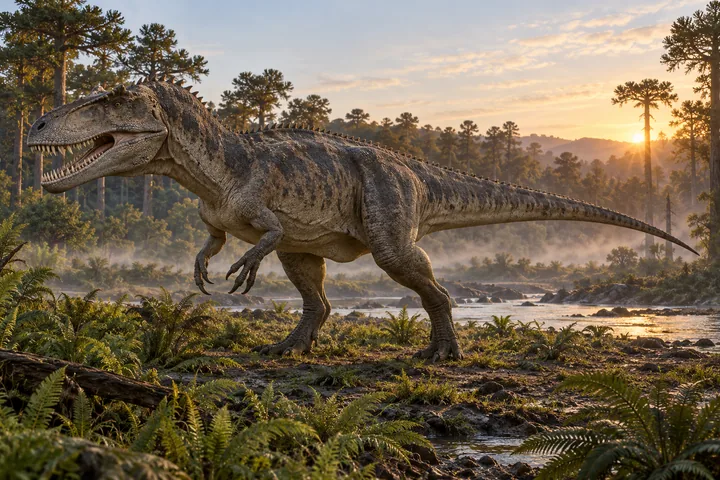
Focused searches did not establish sexes, mate choice, mating seasons or a particular courtship display. Restored colors and feather arrangements are artistic interpretations.

Social behavior

Not established

Not established here

The 2004 quarry contains multiple dinosaur groups and other vertebrates. This association does not demonstrate a Megaraptor hunting pack or family group. [D1]

Dossier research & sources

Sources and inspection notes for the claims in this profile.

  1. Phylogenetic status of Megaraptor namunhuaiquii Novas based on a new specimen from Neuquén, Patagonia, ArgentinaAmeghiniana; Calvo, Porfiri, Veralli, Novas & Poblete (2004) · Accessed 2026-10-02Original eleven-page PDF inspected: articulated MUCPv 341 hand, correction of the giant claw’s identity, type species and mixed Futalognko assemblage. · Inspected: page
  2. Juvenile specimen of Megaraptor (Dinosauria, Theropoda) sheds light about tyrannosauroid radiationCretaceous Research; Porfiri and colleagues (2014) · Accessed 2026-10-02Original 21-page PDF inspected: juvenile MUCPv 595, comparative length reconstructions, histological ages and larger possibly mature individuals; Portezuelo locality and skull/dentition. · Inspected: page
  3. Phylogenetic relationships of the Cretaceous Gondwanan theropods Megaraptor and Australovenator: the evidence afforded by their manual anatomyMemoirs of Museum Victoria; Novas and colleagues (2016) · Accessed 2026-10-02Original institutional PDF inspected through web PDF text: three manual fingers, enlarged first ungual and comparative grasping interpretation; local direct download blocked. · Inspected: page
  4. Latest Cretaceous megaraptorid theropod dinosaur sheds light on megaraptoran evolution and palaeobiologyNature Communications; Ibiricu and colleagues (2025) · Accessed 2026-10-02Original full paper PDF inspected: current comparative Megaraptor discussion and historical 1,036 kg model for probably referred MUCPv 1353. Joaquinraptor feeding evidence is not transferred to Megaraptor. · Inspected: page

THE STORY IN THE FOSSILS

Meet Megaraptor.

Growth is recorded separately from size: MUCPv 595 was actively growing at about six years, while larger sampled individuals were interpreted as older and possibly mature. None supplies an observed mating history. [2]

Megaraptor’s affinities have been debated, but its distinctive giant hand remains central to recognition. The 2025 comparison retains the genus while qualifying some referred remains. [4]

A note on scale and time

The dossier identifies the scope of each reference estimate. A mount, an individual fossil and a species-wide adult range are different measurements. Comparison metrics remain unavailable where adult scope has not been established. Unknown does not mean zero.

Sources & editorial notes

Sources support the stated claims and scopes. Refer to the evidence notes for uncertainty.

  1. Phylogenetic status of Megaraptor namunhuaiquii Novas based on a new specimen from Neuquén, Patagonia, ArgentinaAmeghiniana; Calvo, Porfiri, Veralli, Novas & Poblete (2004) · Accessed 2026-10-02Original eleven-page PDF inspected: articulated MUCPv 341 hand, correction of the giant claw’s identity, type species and mixed Futalognko assemblage. · Inspected: page
  2. Juvenile specimen of Megaraptor (Dinosauria, Theropoda) sheds light about tyrannosauroid radiationCretaceous Research; Porfiri and colleagues (2014) · Accessed 2026-10-02Original 21-page PDF inspected: juvenile MUCPv 595, comparative length reconstructions, histological ages and larger possibly mature individuals; Portezuelo locality and skull/dentition. · Inspected: page
  3. Phylogenetic relationships of the Cretaceous Gondwanan theropods Megaraptor and Australovenator: the evidence afforded by their manual anatomyMemoirs of Museum Victoria; Novas and colleagues (2016) · Accessed 2026-10-02Original institutional PDF inspected through web PDF text: three manual fingers, enlarged first ungual and comparative grasping interpretation; local direct download blocked. · Inspected: page
  4. Latest Cretaceous megaraptorid theropod dinosaur sheds light on megaraptoran evolution and palaeobiologyNature Communications; Ibiricu and colleagues (2025) · Accessed 2026-10-02Original full paper PDF inspected: current comparative Megaraptor discussion and historical 1,036 kg model for probably referred MUCPv 1353. Joaquinraptor feeding evidence is not transferred to Megaraptor. · Inspected: page

FOLLOW YOUR CURIOSITY

Who will you meet next?

KEEP EXPLORING

More from the collection