
Size reference
Source supportedFemale~56 mm; males 47–51 mm
2014 C. melanogramma adult sample; not a complete genus size range. [D1]
EXHIBIT 223
Cretophasmomima
Prehistoric insect
Cretophasmomima was an early stick-insect relative; Chinese fossils preserve patterned wings and both sexes. [1]
TWO WAYS TO PICTURE THE PAST
Compare the evidence with the familiar movie image. The illustrations are not to a shared scale.
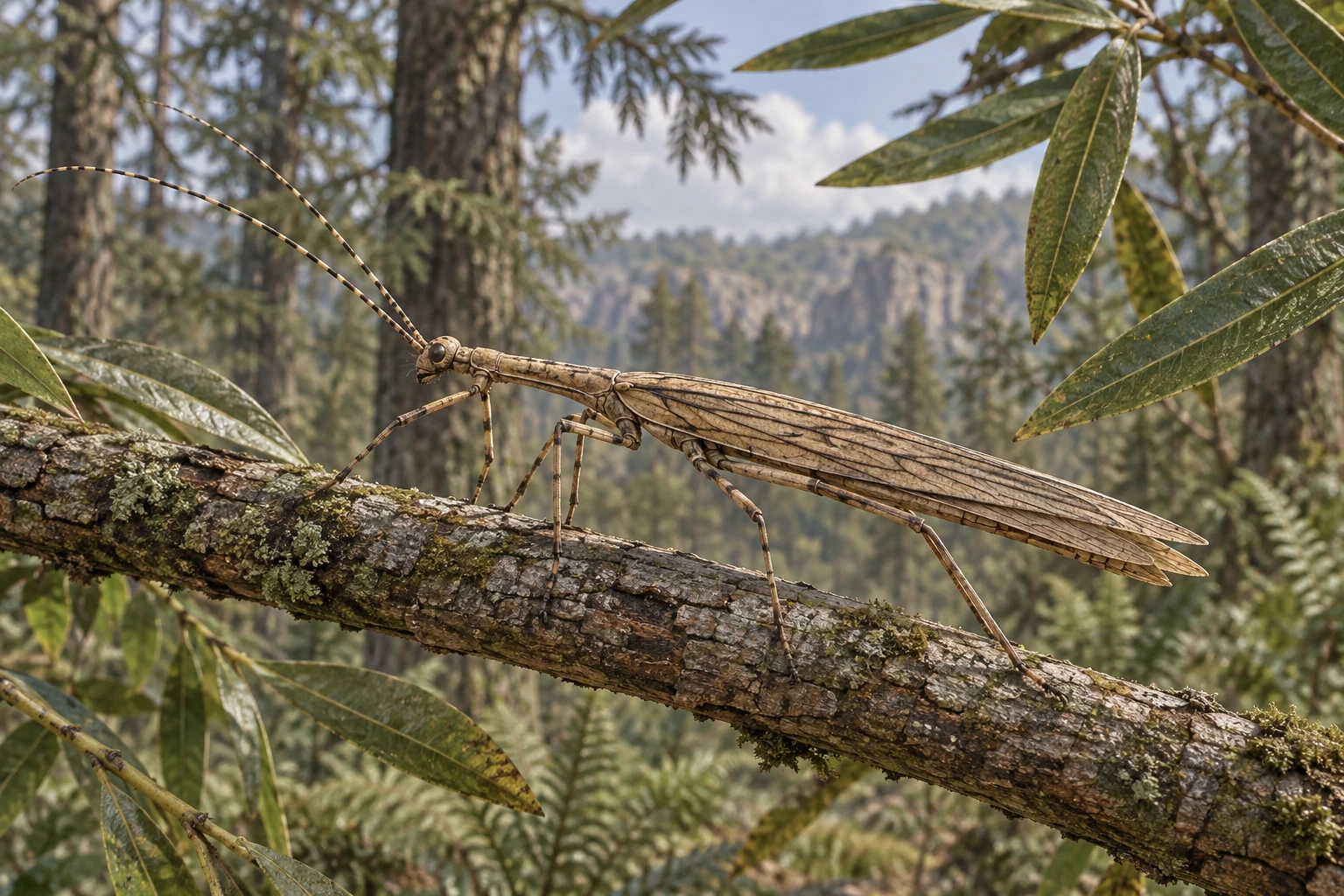
An illustrative reconstruction. Compare its anatomy with the evidence and limitations in the dossier. [1]
Source-informed reconstruction. Appearance evidence [1]. Original illustration; missing anatomy, coloration and scenery include interpretation.
Fossils constrain this life reconstruction. Missing anatomy, coloration and the environmental scene include interpretation; the dossier explains the evidence limits.
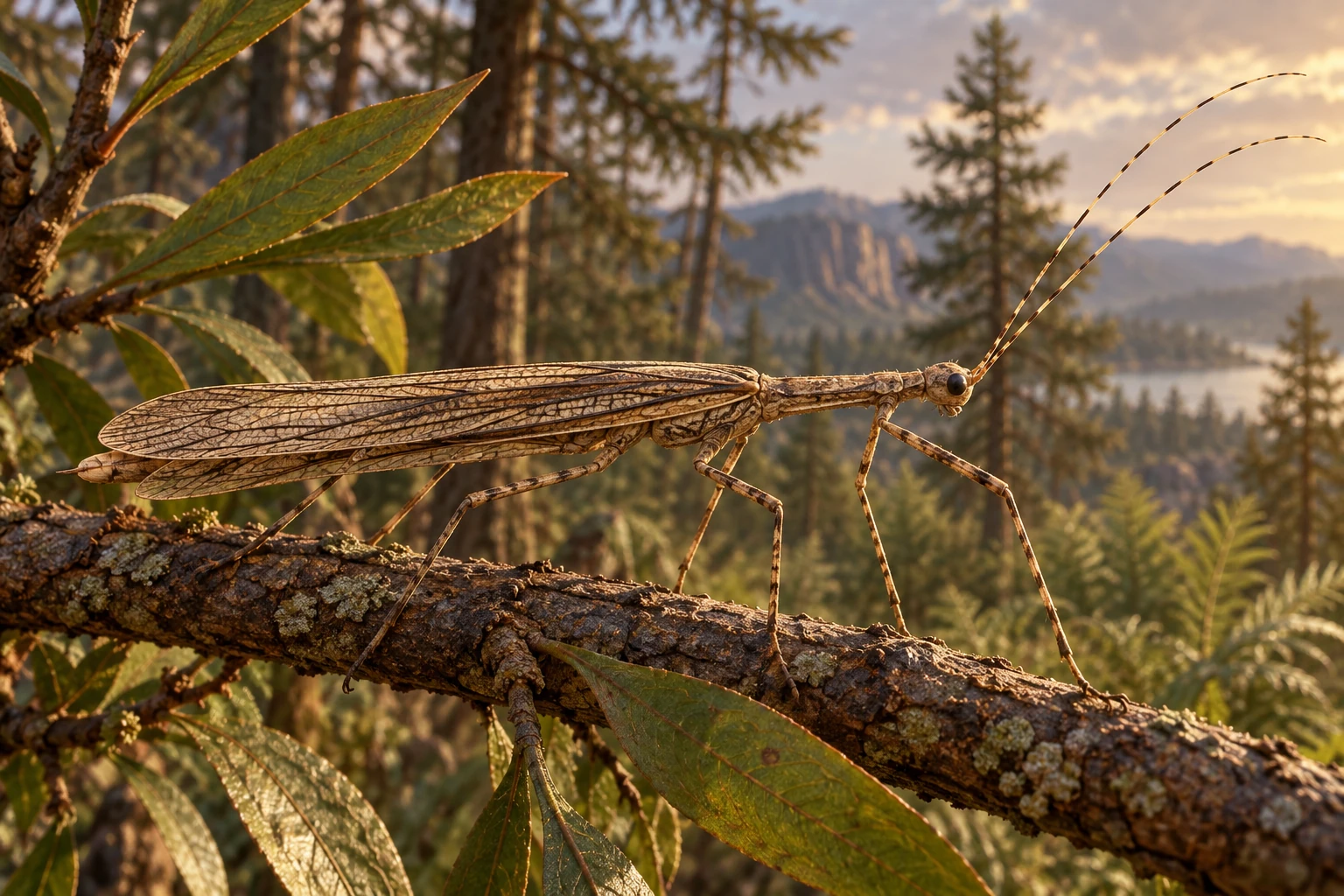
An illustrative reconstruction. Compare its anatomy with the evidence and limitations in the dossier. Lighting, coloration and scenery are artistic choices. This image does not document a fossil locality or behavior.
Original artwork · artistic interpretation.
Scientific view: source-informed reconstruction, credited paleoart or specimen-based imagery. Movie-style view: Original artistic interpretation. Reconstructions involve uncertainty.
MEET THE ANIMAL
Cretophasmomima was an early relative of stick insects, rather than a modern leaf insect. The Chinese species Cretophasmomima melanogramma is known from one female and two male fossils in the Early Cretaceous Yixian Formation. They preserve long wings and slender walking legs. Dark lines on the wings and alternating marks on the antennae are visible, although their exact living colors cannot be recovered. [D1]
The genus was not limited to China. Researchers described another species from a fossil forewing in the Weald Clay of southern England. Earlier named species also came from Russia. Wing-vein patterns help scientists compare these remains, but some old insect names are difficult to separate from fragments. A measurement from one well-preserved Chinese species should not become the size of every species in the genus. [D2]
Comparisons suggest that the Chinese insect fed on plants and could hide beside foliage. A later study discusses that possibility while investigating a different Jurassic stick insect. It does not provide a preserved meal for Cretophasmomima. Likewise, modern stick insects can have elaborate camouflage and mating behavior, but those habits cannot simply be assigned to an extinct relative without matching evidence. [D3]
PREHISTORIC ANIMAL DOSSIER
The animal, the evidence, and the questions still open.
A genus can span several localities; an English forewing extends the record beyond the better-preserved Chinese species. [D2]
Profile scope: Genus — Cretophasmomima; gallery anchored to C. melanogramma from the Early Cretaceous Yixian Formation, China. [D1]
Source supported identifies a description documented by the cited source. Inferred marks a reconstruction or functional estimate. Debated marks competing interpretations. Not established means the sources reviewed for this dossier do not support a firm conclusion; it does not mean a behavior never occurred.
A size reference is an estimate, not a population range. Nesting evidence does not by itself establish courtship, mate choice, or lifelong pairing.
Female~56 mm; males 47–51 mm
2014 C. melanogramma adult sample; not a complete genus size range. [D1]
Not established here
Reviewed descriptions provide no fossil-individual mass estimate. [D1]
Plant feeding inferred
A later comparative study proposes foliage feeding; no preserved meal fixes C. melanogramma’s actual host. [D3]
Jehol vegetation inferred
Wing pattern resembles a fossil leaf-shaped organ with debated botanical identity; host unknown. [D1]
Walking and flight inferred
Legs and wings support these abilities; speed unknown. [D1]
Patterned wings; female operculum
Longitudinal dark wing markings and antennal bands survive; the terminal operculum supports stick-insect affinity. [D1]
Adult sexes documented
A female operculum is preserved; eggs and oviposition sites are not established by the adult sample. [D1]
Not established here
Size differences do not preserve courtship or mate guarding. [D1]
Not established here
Separate fossil adults do not show coordinated groups or colony organization. [D2]
Sources and inspection notes for the claims in this profile.
THE STORY IN THE FOSSILS
The English C. traceyae forewing broadens the genus record. A genus-level exhibit must therefore distinguish its shared name from details measured only in C. melanogramma. [2]
The dossier identifies the scope of each reference estimate. A mount, an individual fossil and a species-wide adult range are different measurements. Comparison metrics remain unavailable where adult scope has not been established. Unknown does not mean zero.
Sources support the stated claims and scopes. Refer to the evidence notes for uncertainty.
KEEP EXPLORING
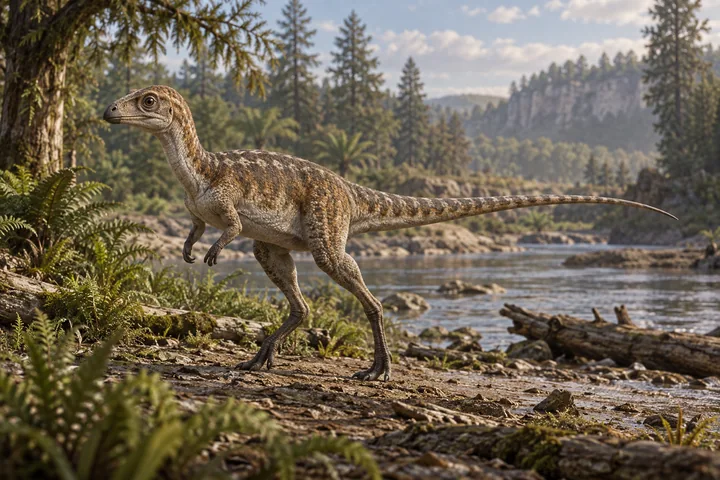
Hypsilophodon foxii
Hypsilophodon foxii was a small, ground-dwelling plant-eater from the Isle of Wight. Its lightly built skeleton and long hind limbs are consistent with agile running.
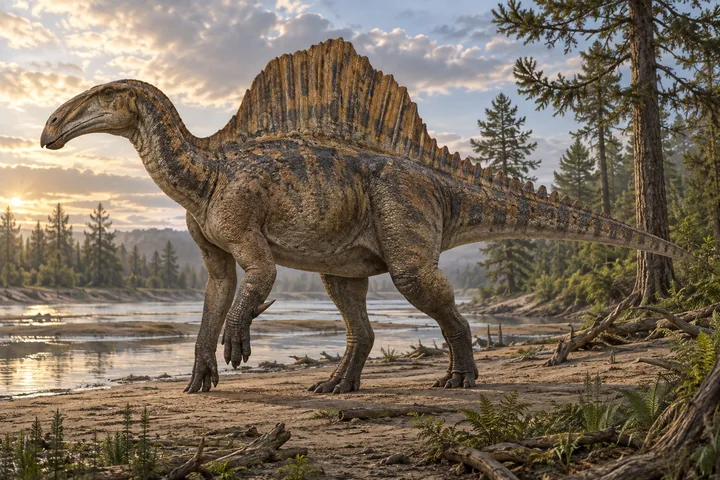
Ouranosaurus nigeriensis
Ouranosaurus nigeriensis was a plant-eating ornithopod from Niger with tall vertebral spines. Studies investigate their possible roles and skeleton growth stages.
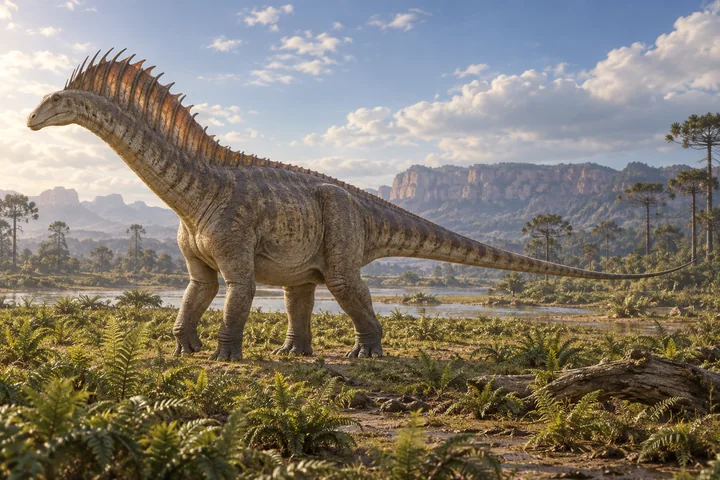
Amargasaurus cazaui
Amargasaurus cazaui was an Early Cretaceous sauropod from Argentina with paired elongated neck spines. Bone histology supports connected soft tissue rather than separate horn sheaths.